William Chen
+86 18250853801
leave a message
If you are interested in our products and want to know more details,please leave a message here,we will reply you as soon as we can.


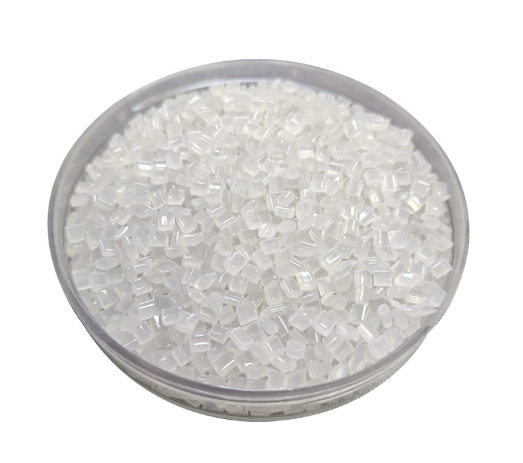
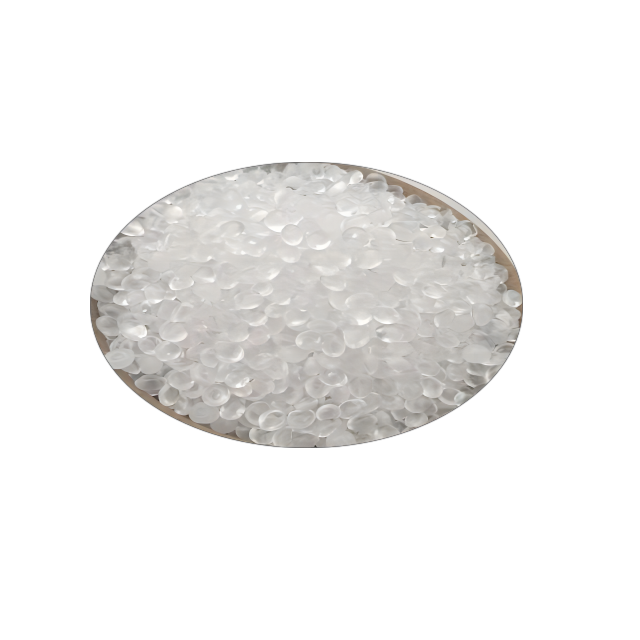
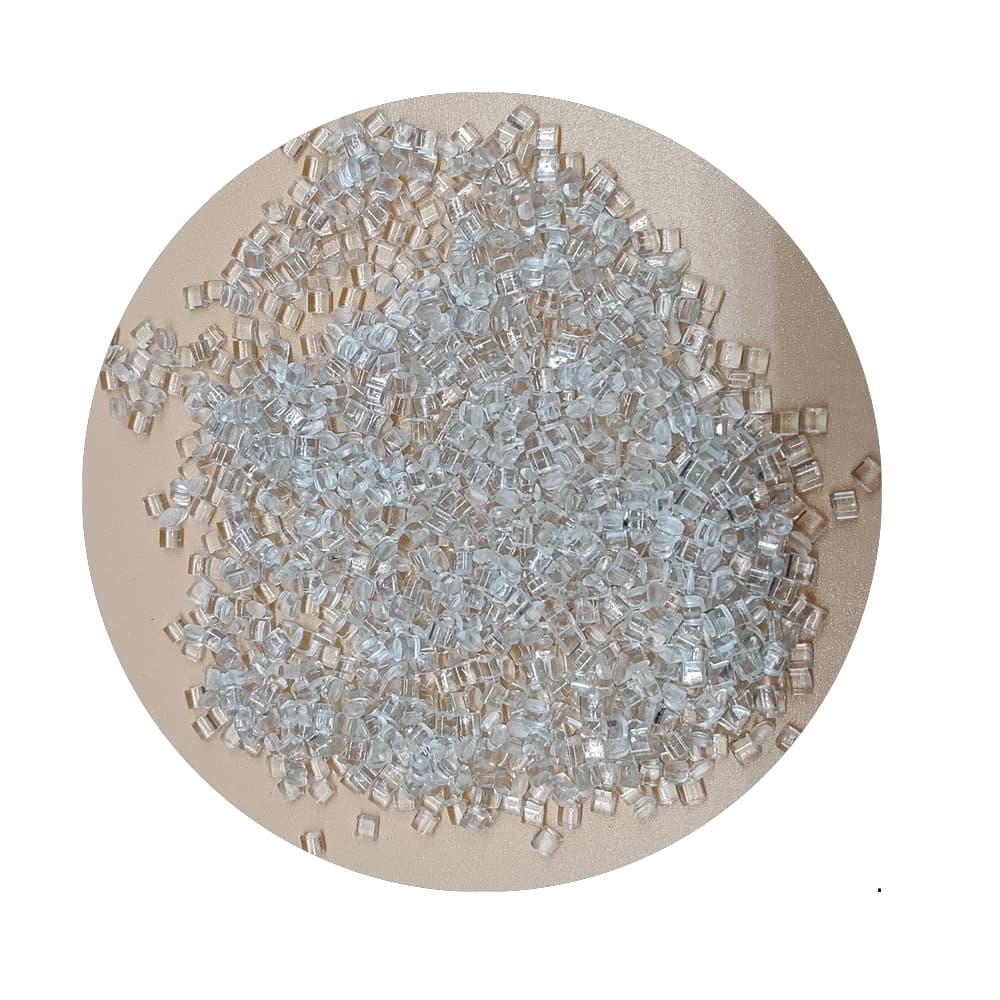
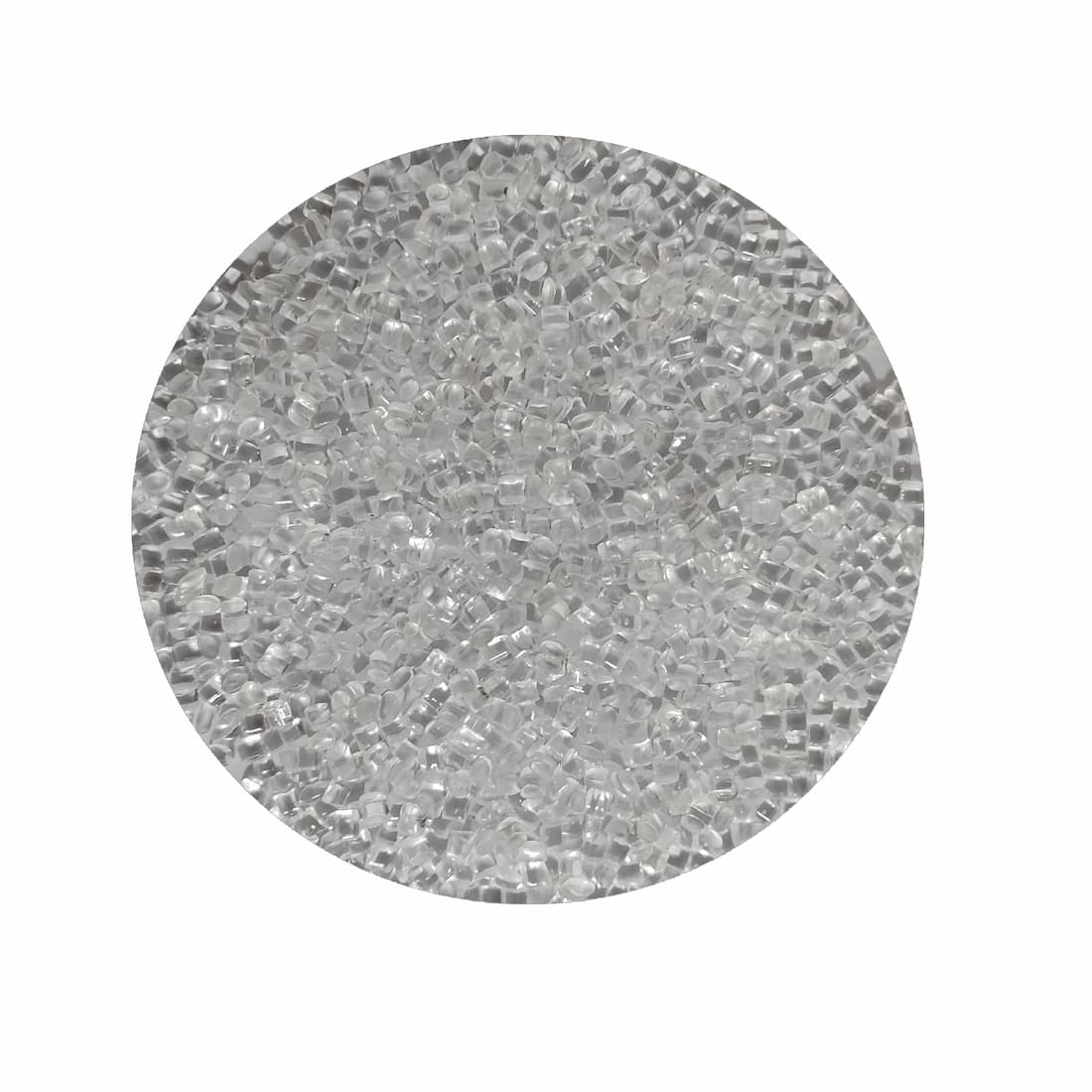
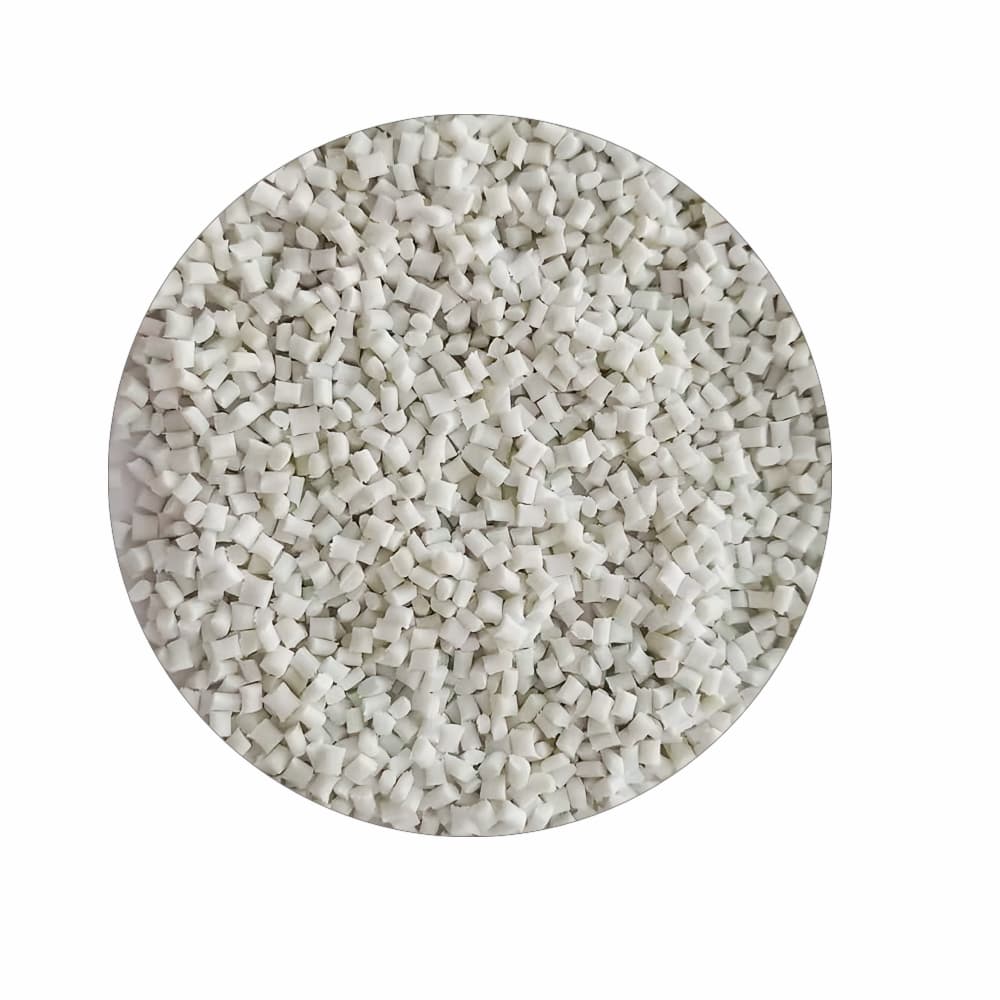
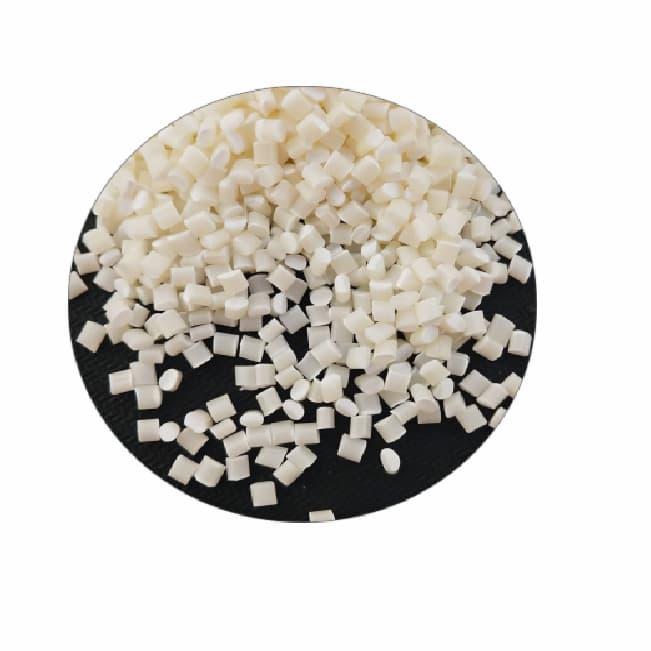
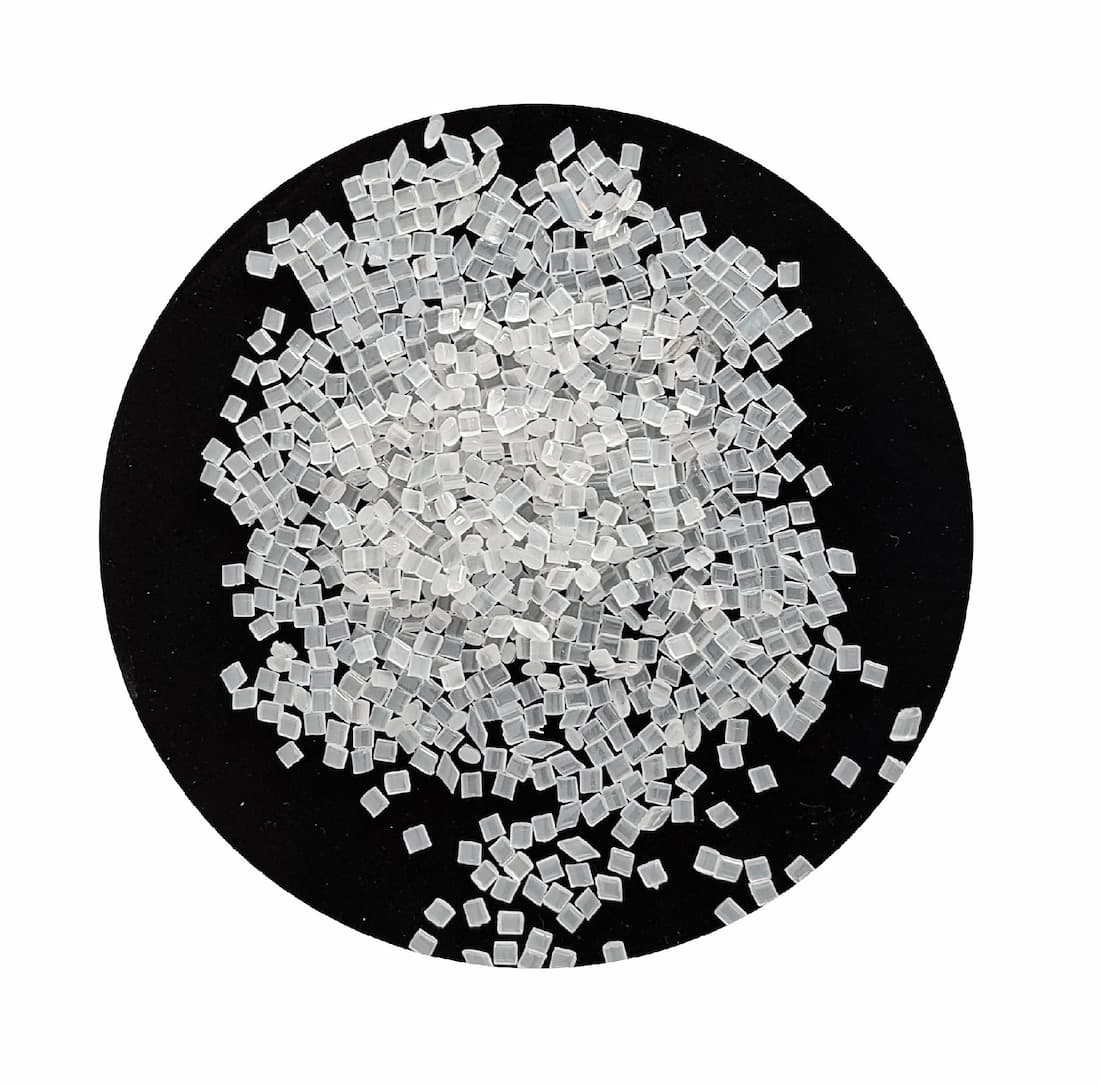
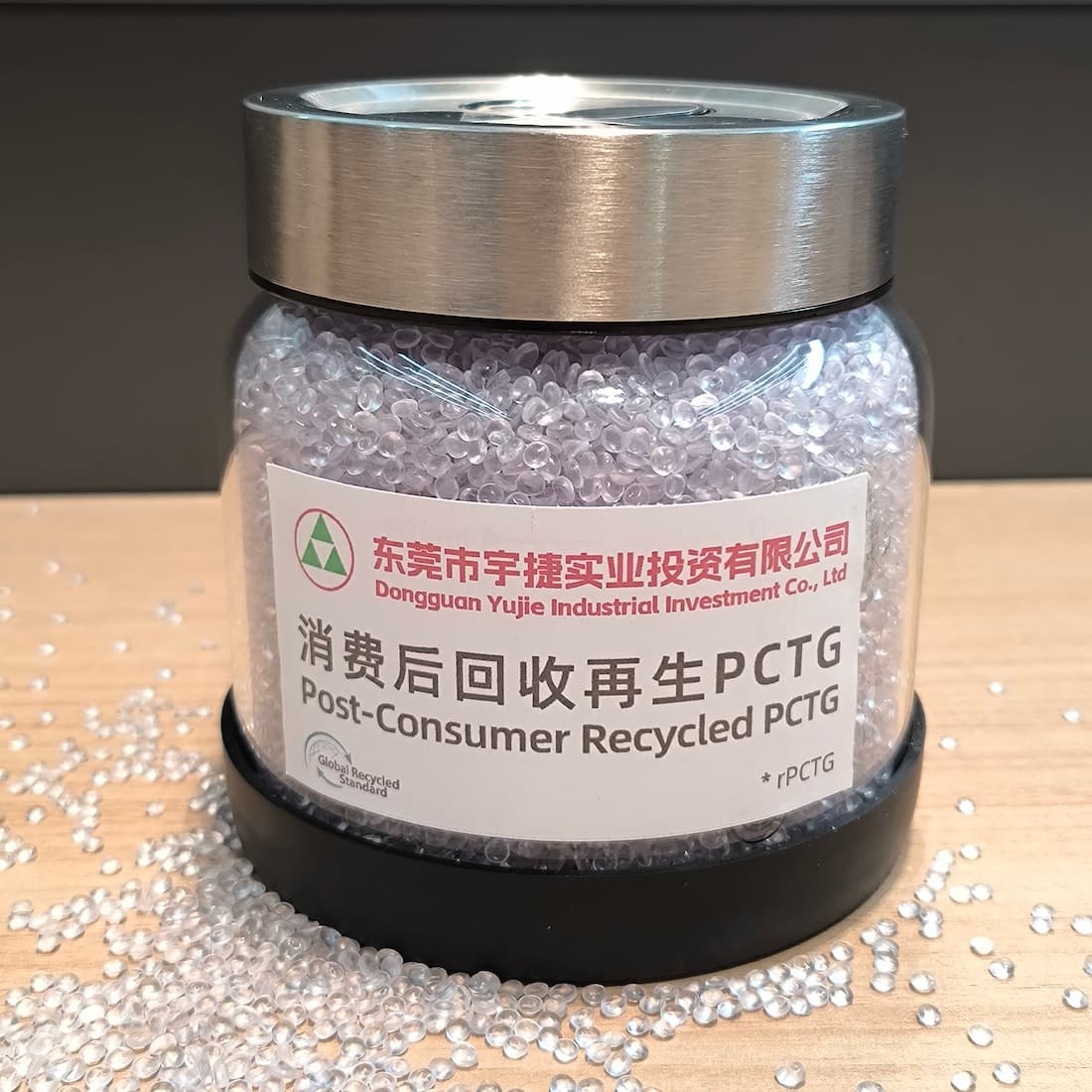
PETG chemical name is polyethylene terephthalate-1,4-cyclohexanedimethyl ester. You can think of it as a high-performance modified version of PET (commonly found in mineral water bottles).
By adding another monomer, CHDM, during the synthesis of PET, PETG gains many properties superior to PET, especially in processability and toughness.
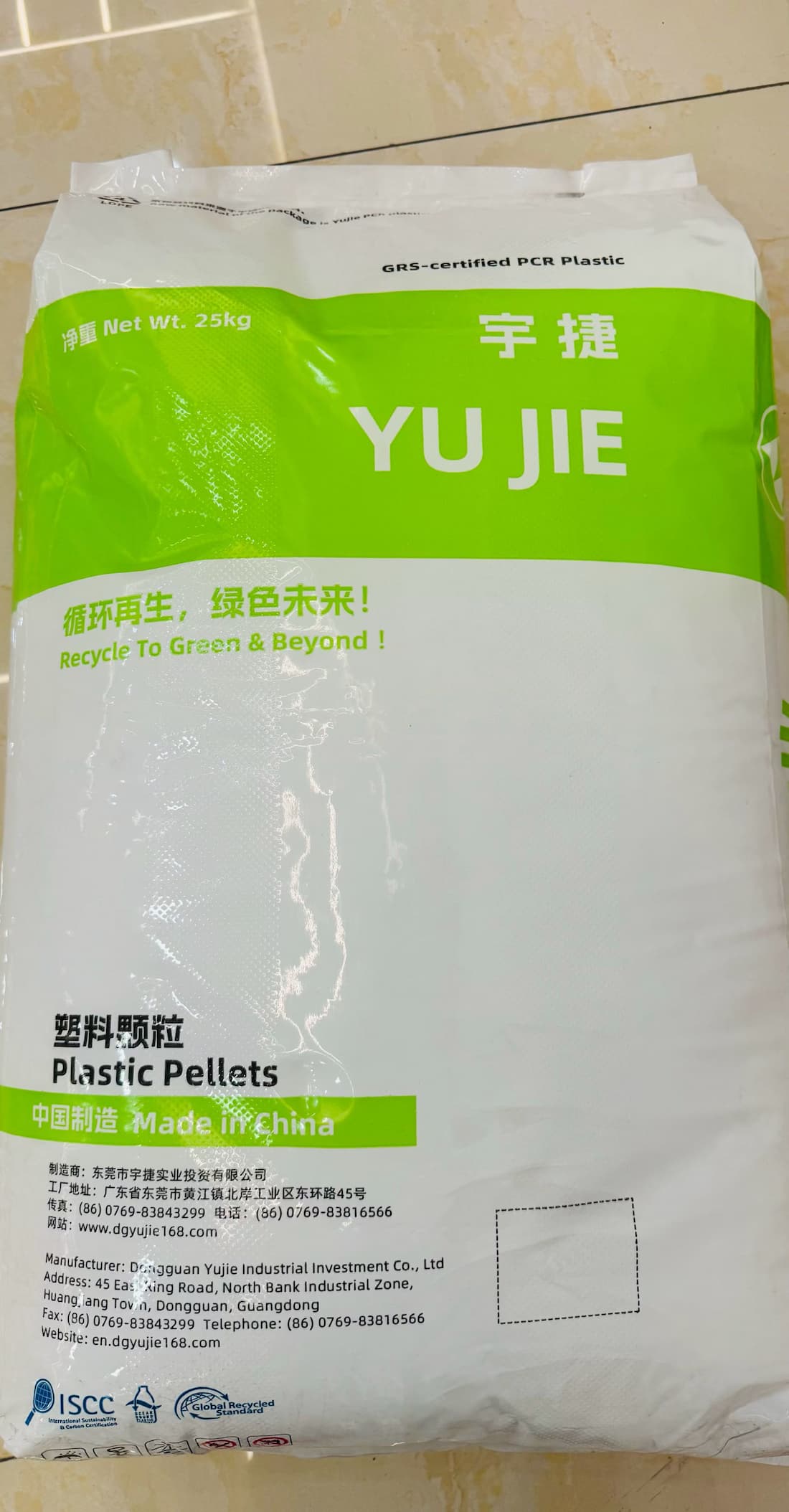
Yujie PCR RPETG main Application Areas:
1. 3D Printing (Main Application)
· Models and Figurines: Balances surface smoothness and strength.
· Functional Prototypes and Parts: Such as gears, shells, clamps, tools, etc.
· Medical Models: Due to its biocompatibility (some grades) and sterilizability, used to make surgical guides and anatomical models.
· Cosplay Props: Easy to print and post-process, with sufficient strength.
2. Traditional Processing and Product Manufacturing
• Blister Packaging: Production of highly transparent food packaging and electronic product trays.
• Medical Devices: Such as fluid reservoirs and respirators.
• Advertising Signage: An alternative to acrylic for signage and display stands.
• Daily Consumer Goods: Cosmetic containers, stationery, toys, etc. Precautions for Using PETG (Especially for 3D Printing)
PETG is a versatile and well-balanced engineering plastic, especially in the 3D printing field, where it is hailed as an "advanced version of PLA". As long as its moisture absorption issue is properly addressed, it can provide you with high-strength, high-toughness, and aesthetically pleasing prints, making it an excellent choice for creating functional parts and durable models.
Item No :
RPETG recycled petgOrder(MOQ) :
25KGPayment :
DiscussProduct Origin :
ChinaColor :
natureShipping Port :
GuangdongLead Time :
3-10 working days Product categories
PETG is popular because it strikes a good balance between several properties:
1、High transparency: Light transmittance can reach 90%, comparable to acrylic and superior to many other plastics. Ideal for products that need to showcase internal structures or have an attractive appearance.
2、Excellent toughness: Impact strength is far higher than PLA and ABS, even higher than PET. Not easily brittle, it can withstand some bending and drops, suitable for making functional parts.
3、Easy to process: Low printing temperature (approximately 220-250°C), extremely low shrinkage (<0.5%). Almost no warping during 3D printing, making it one of the most beginner-friendly materials. Good interlayer adhesion.
4、Good Flexibility and Strength: It possesses a certain degree of flexibility while maintaining sufficient rigidity. It can be used to create functional parts requiring slight deformation, such as snap-fit buttons and hinges.
5、Food Safety: Meets FDA food contact standards (specific brand needs to be confirmed). It can be used to make water cups, food containers, etc. (However, the porous structure of 3D printed parts is prone to bacterial growth and is not suitable for long-term food contact).
6、Environmentally Friendly: Recyclable (recycling symbol #1). In line with modern environmental protection concepts.
7、Easy Post-Processing: Easy to cut, sand, glue, and paint. Convenient for secondary processing and finishing. While PETG is generally friendly, there are still some key points to note:
• Hygroscopicity: This is the biggest enemy!
• PETG readily absorbs moisture from the air. Damp PETG will produce bubbles, stringing, and nozzle crackling during printing, leading to decreased interlayer adhesion and a rough surface.
• Solution: Drying is essential! Use a dedicated hopper dryer or dry in an oven at 70-80°C for 4-6 hours. After opening, it is recommended to store in a desiccant box or sealed bag.
• Printing Platform Adhesion:
• Although it is not prone to warping, excessive adhesion of the first layer can still damage some platforms.
• Solution: Use masking tape or glue sticks, which provide good adhesion and facilitate model removal. Avoid printing directly on glass or PEI plates unless a release liner is used.
• Stringing/Leakage:
• Due to the stickiness of PETG, it is easy for material to leak from the nozzle during idle travel, resulting in stringing.
• Solution:
• Enable Retraction: Set the retraction distance and speed appropriately.
• Optimize Temperature: Use the lowest possible printing temperature while ensuring interlayer adhesion.
• Set "Z-axis Lift": Lift the nozzle during idle travel.
• Increase Printing Speed: Reduce dwell time at any point.
• Cleaning with PLA:
• If you need to switch materials, especially from PETG to PLA, be sure to thoroughly clean the nozzle. Because the printing temperature ranges of PLA and ABS differ, residual PETG may degrade and clog the nozzles.
• Solution: Clean the nozzles using a cleaning filament or by performing a cold pull.
Summary: PETG achieves a perfect balance of strength, toughness, and ease of printing, overcoming the shortcomings of PLA (lack of durability) and ABS (difficult to print).

 IPv6 Network Supported
leave a message
Scan to Wechat/Whatsapp :