William Chen
+86 18250853801
leave a message
If you are interested in our products and want to know more details,please leave a message here,we will reply you as soon as we can.


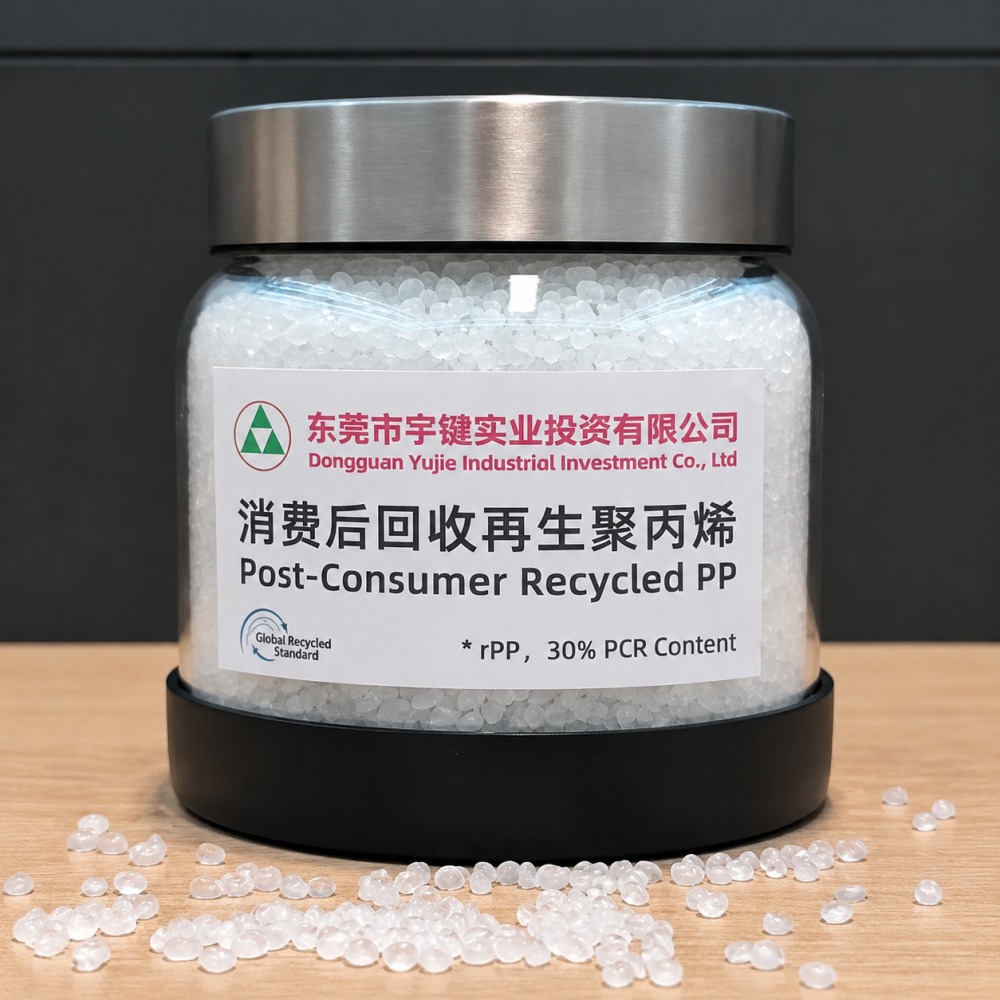
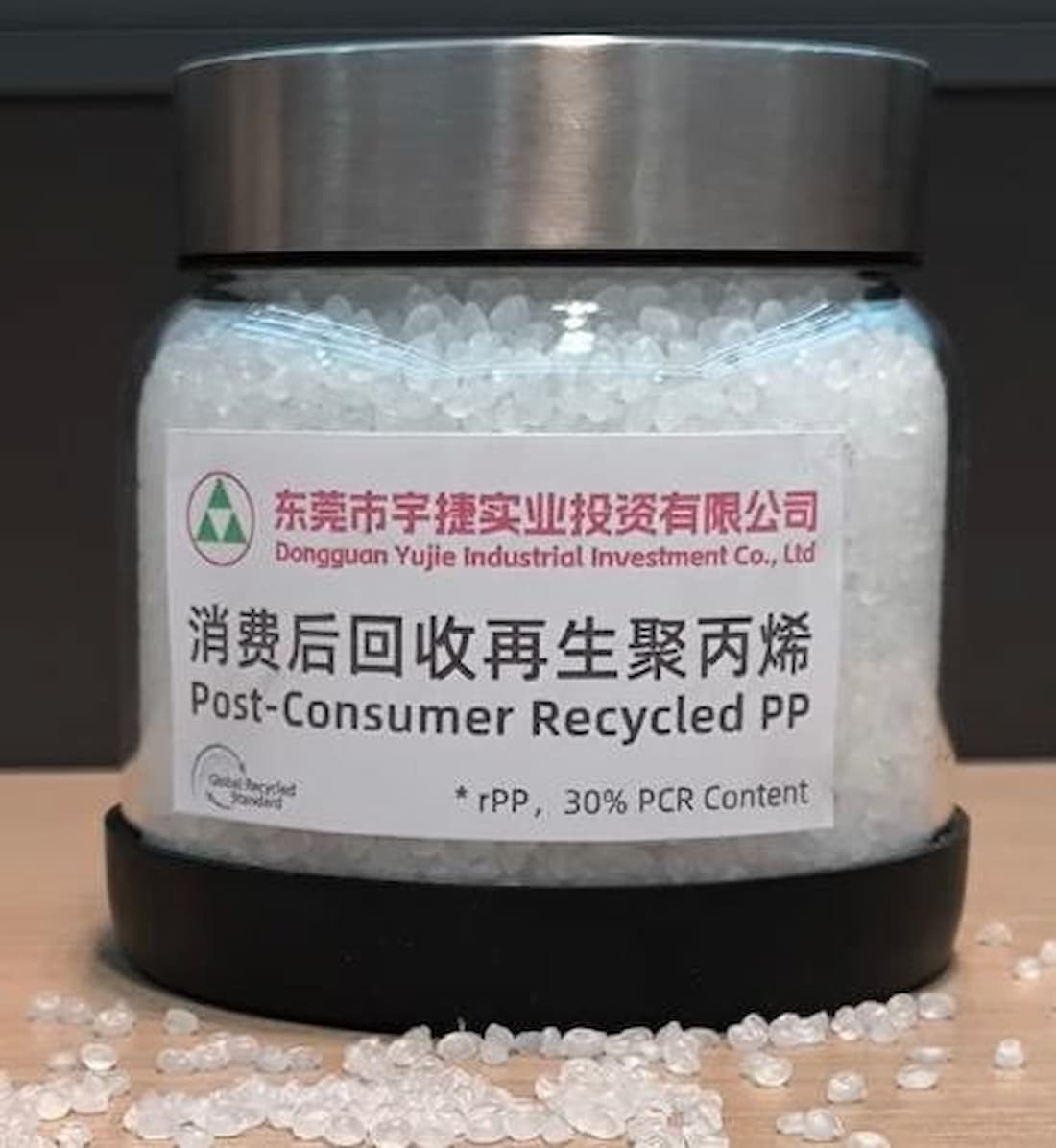
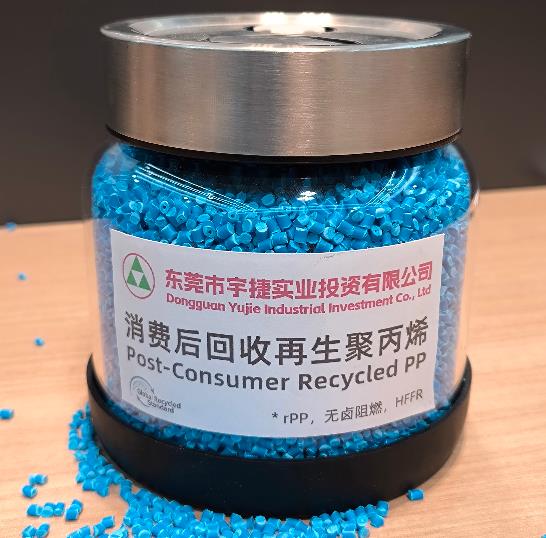
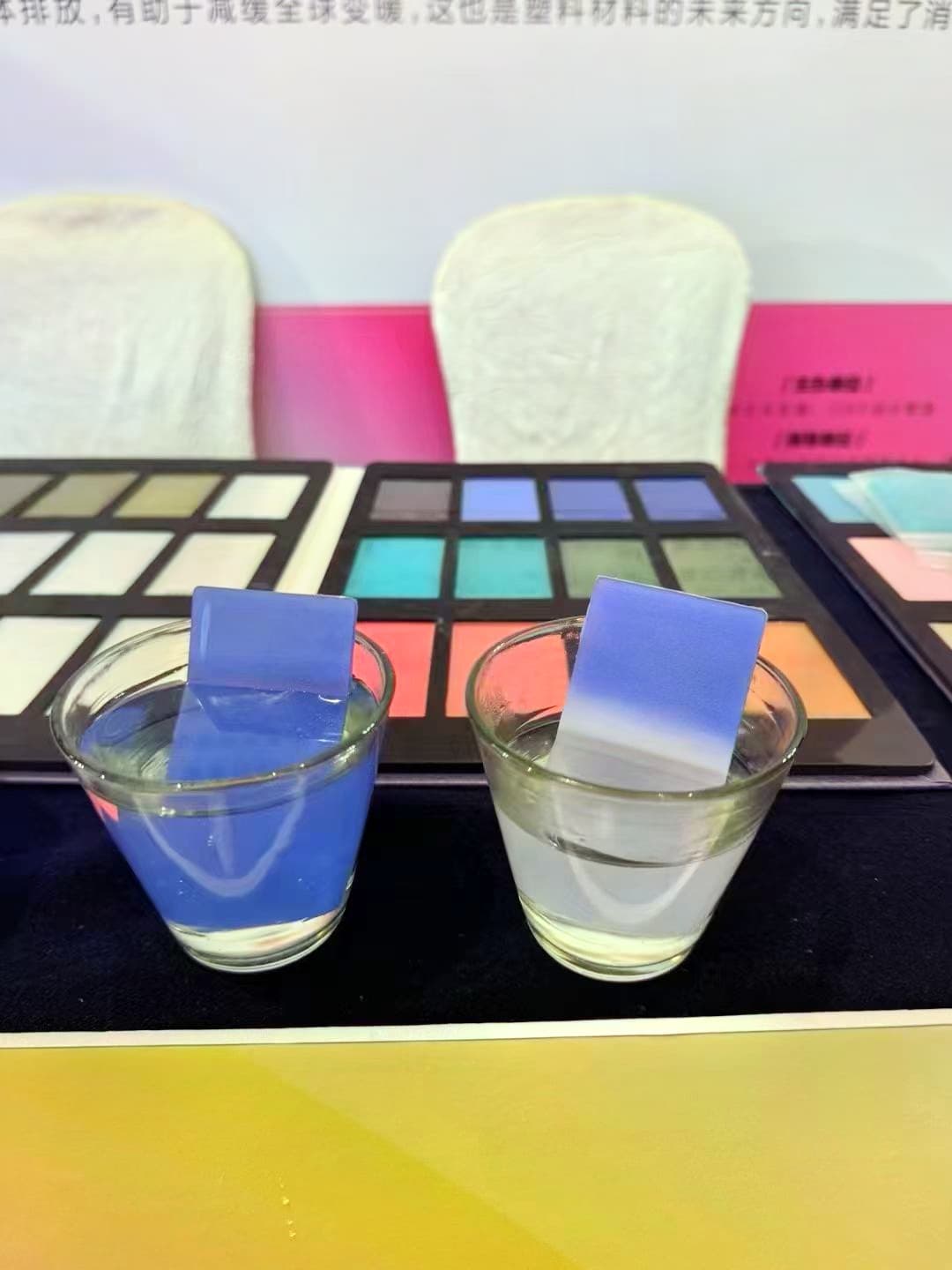
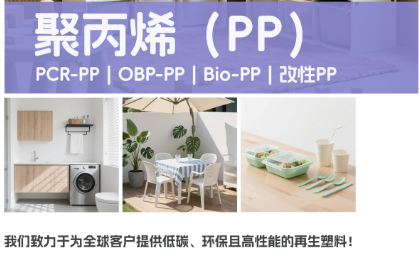
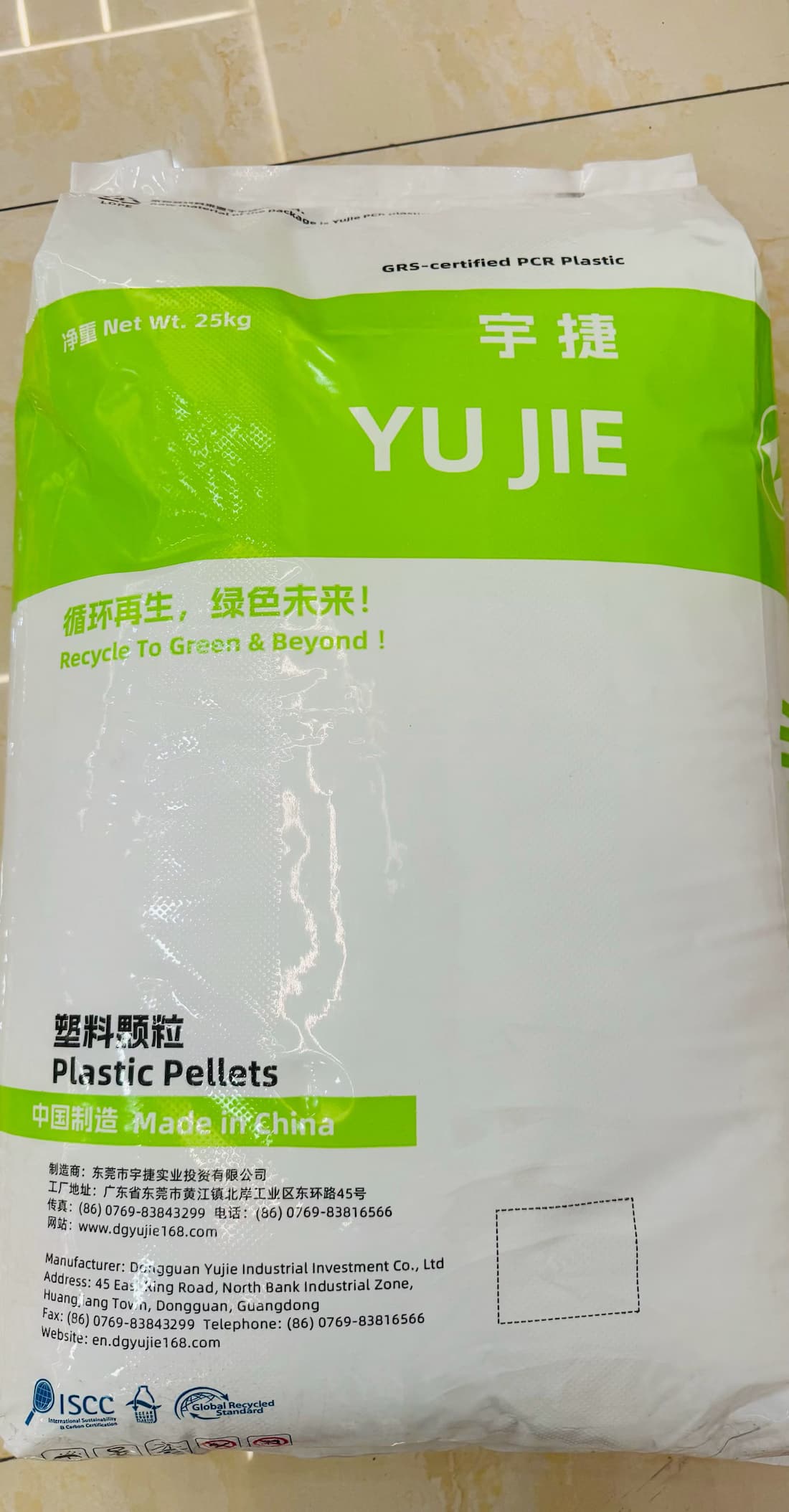
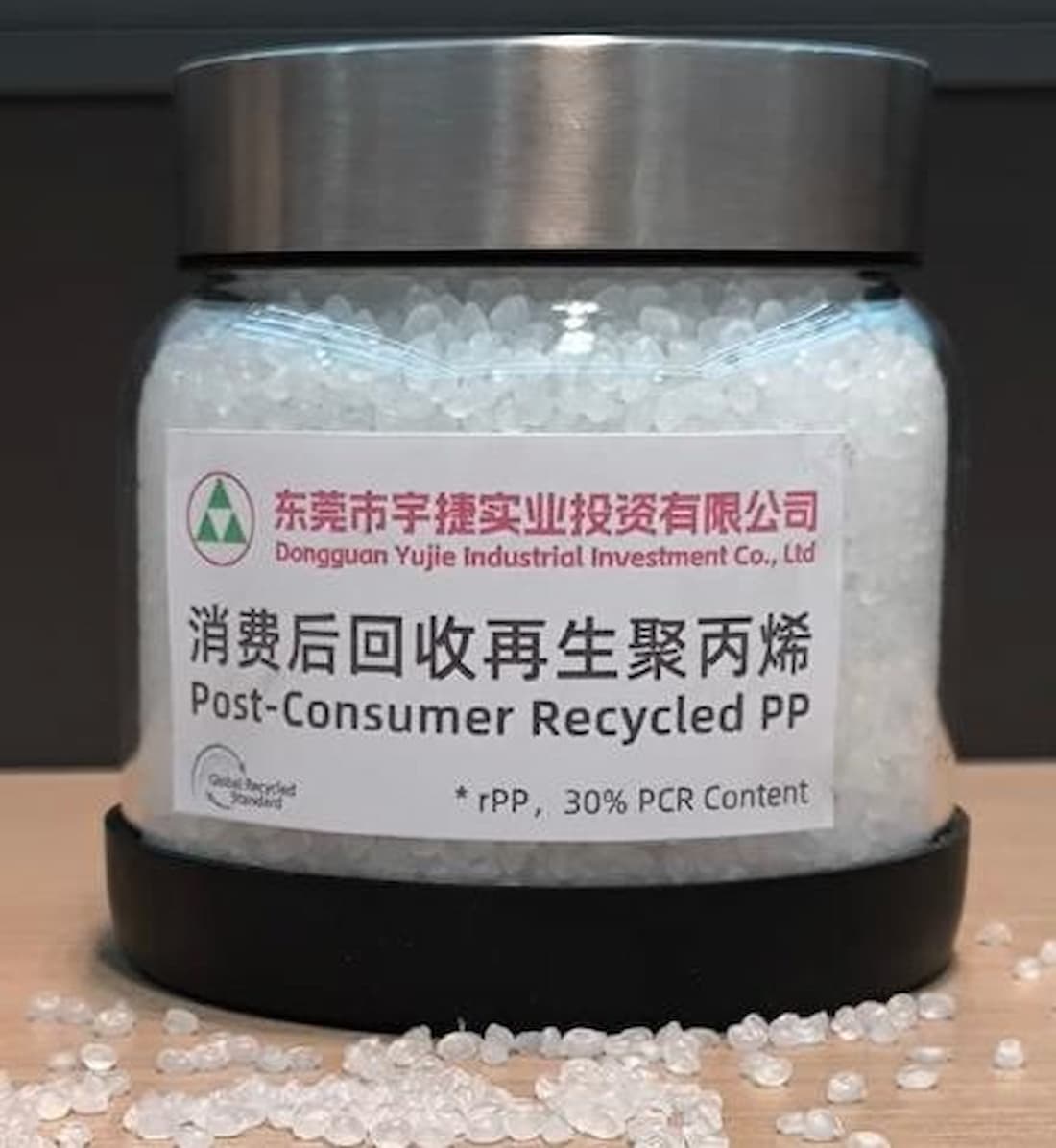
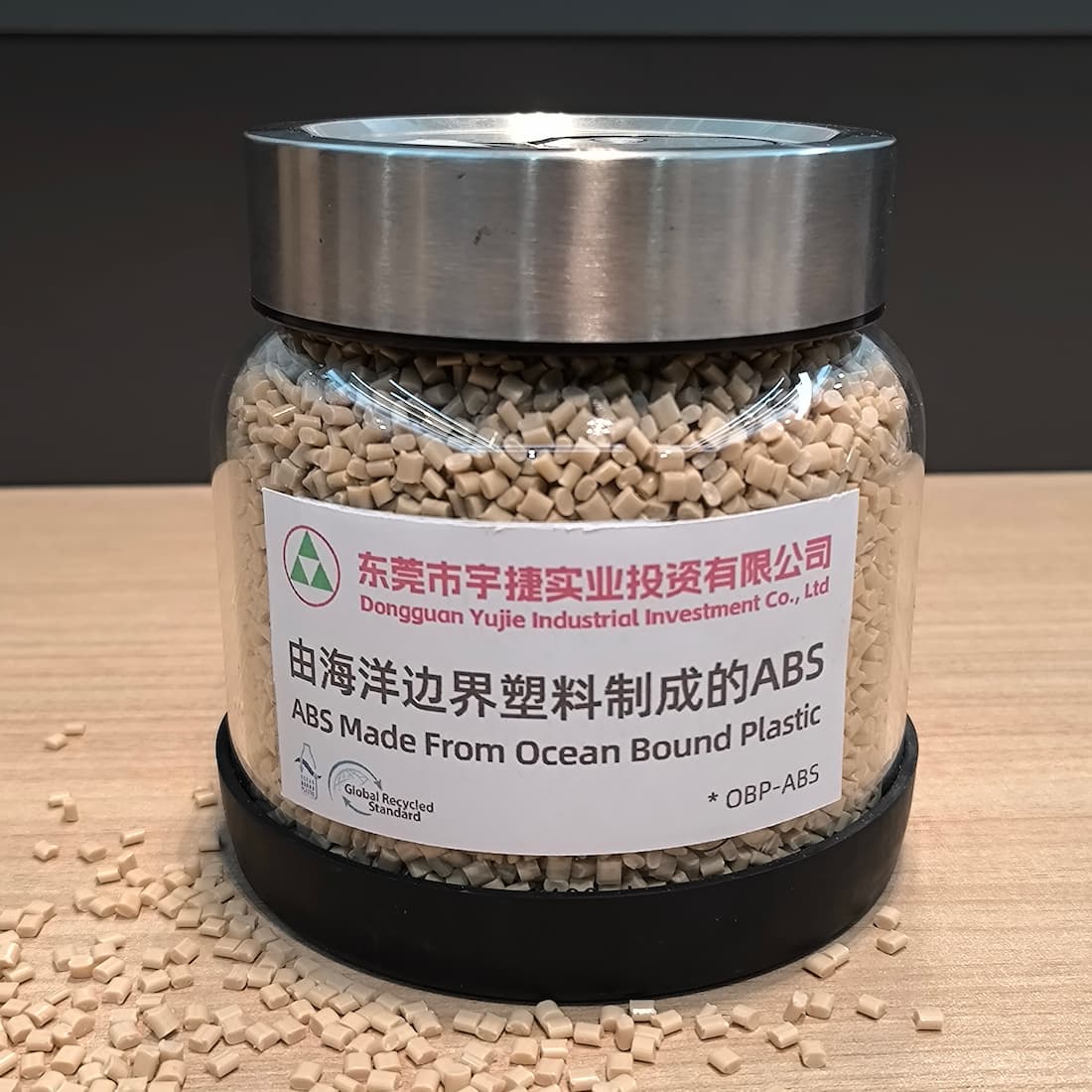
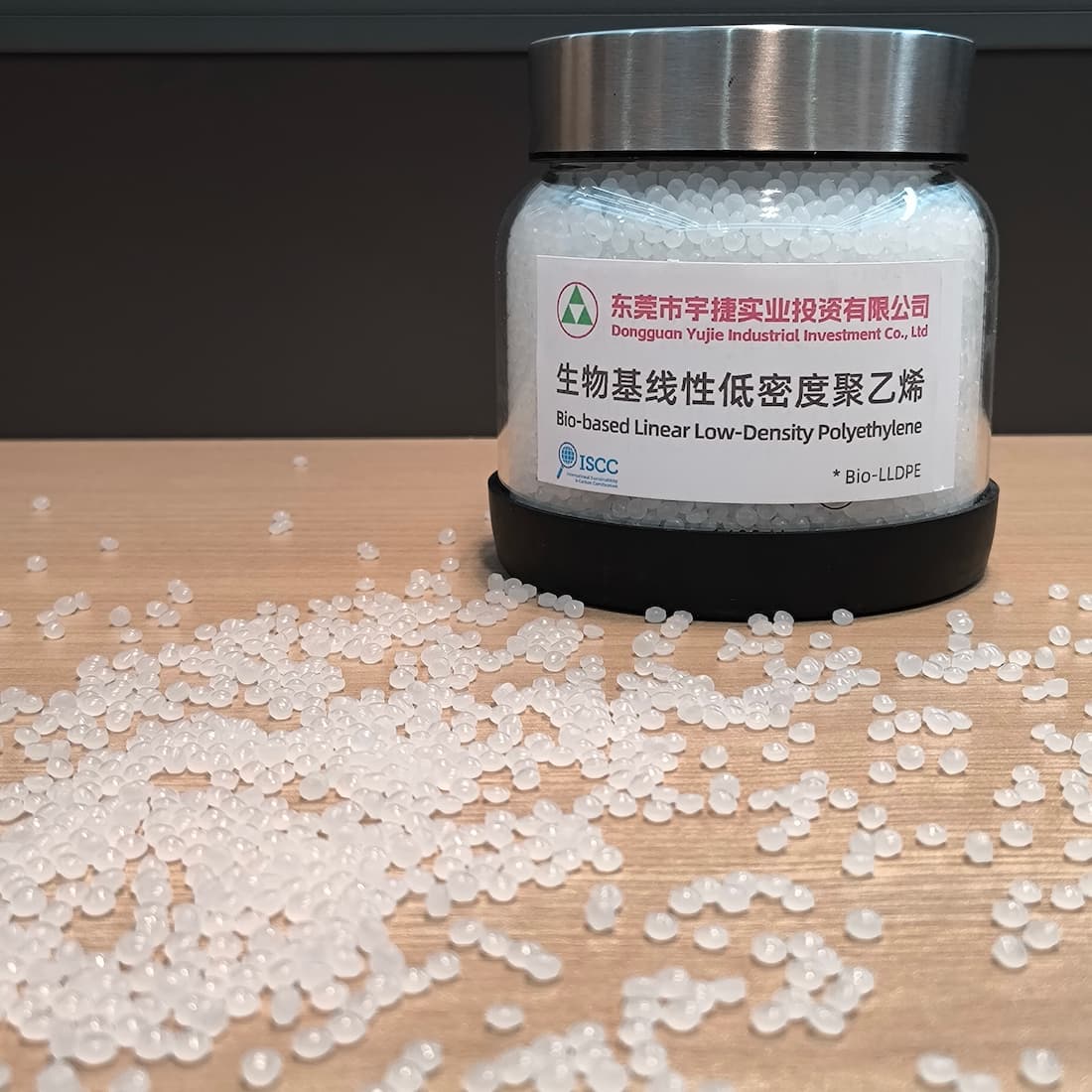
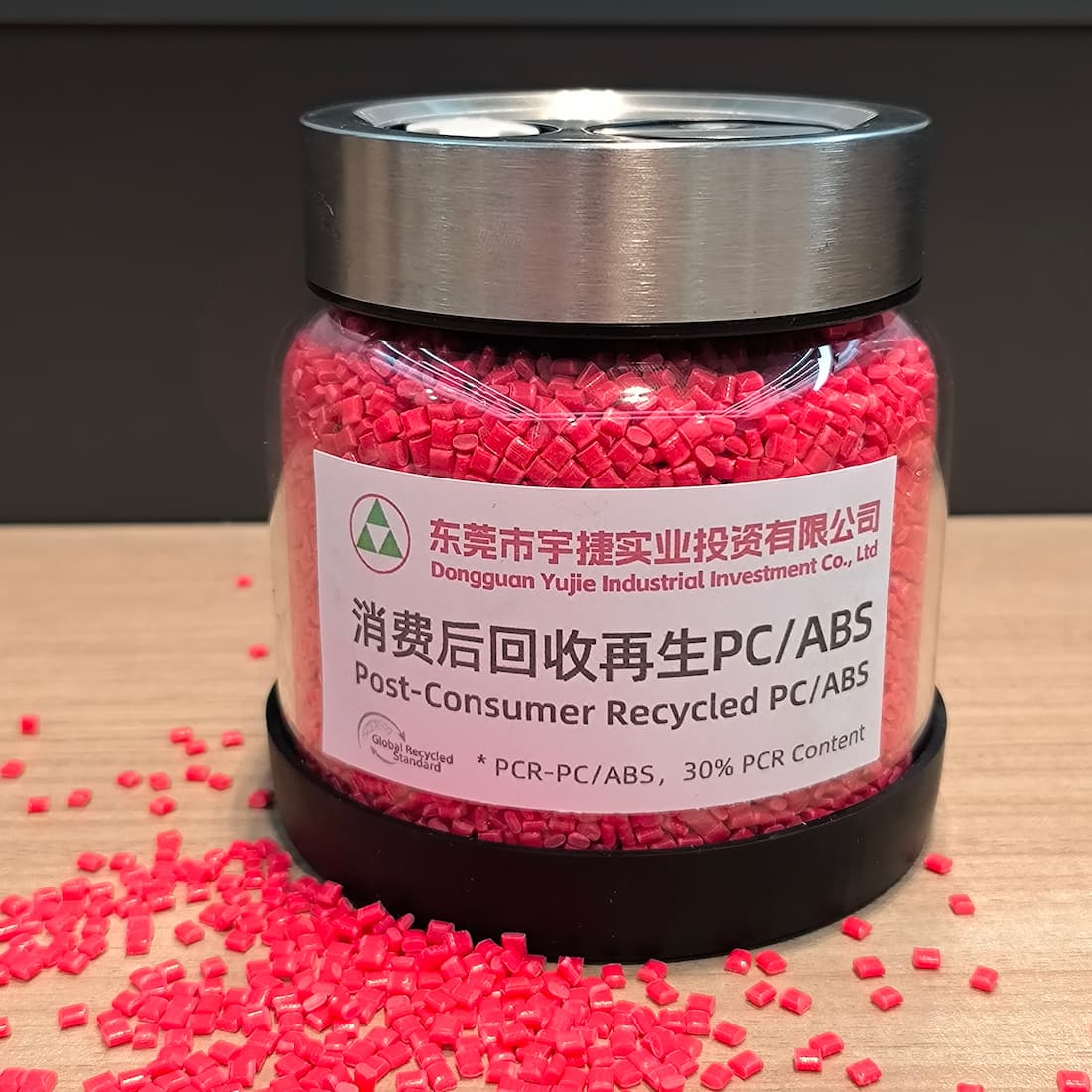
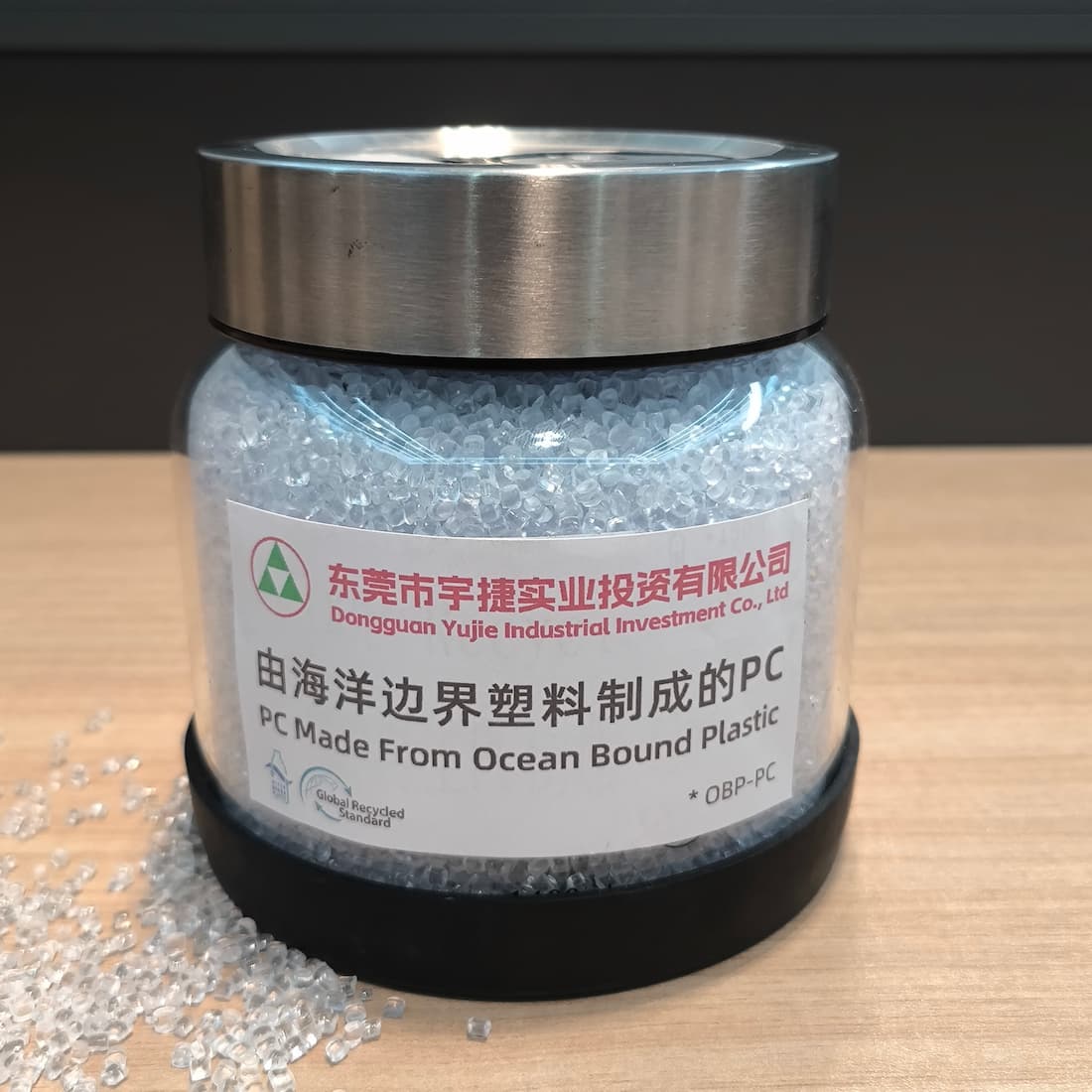
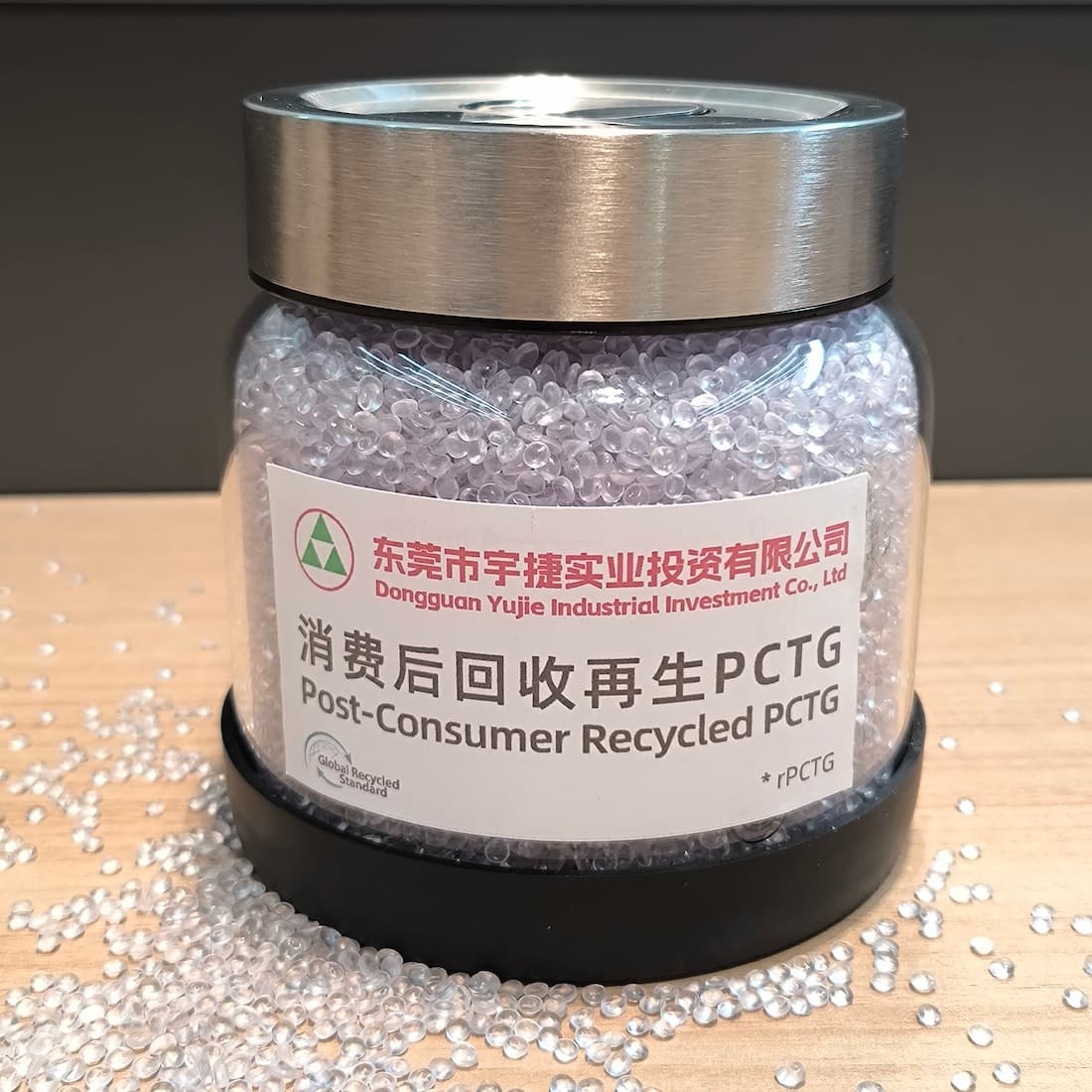
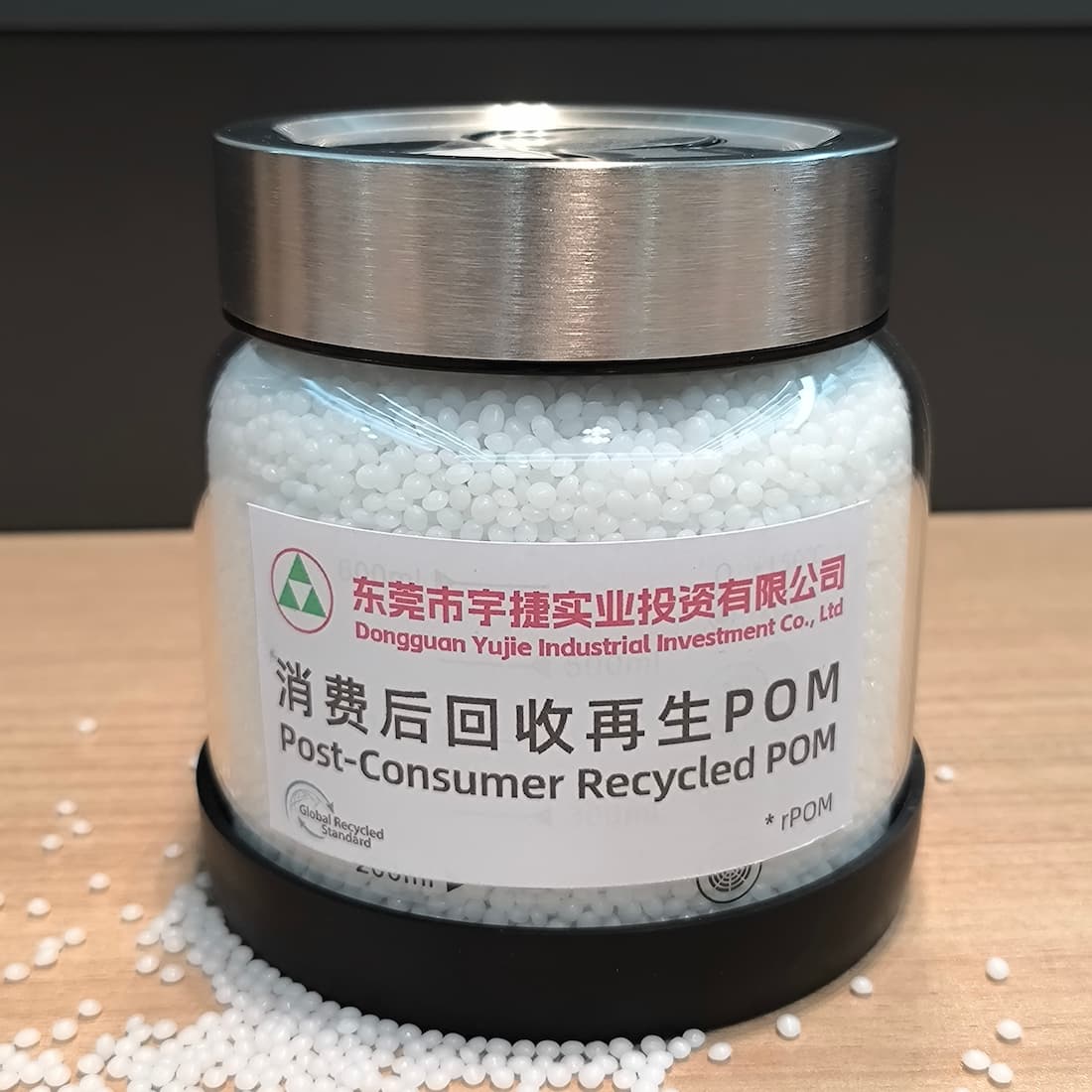
Yujie Industrial RPP is post consumer recycled modified polypropylene, made from materials such as disposable food containers, appliance casings, and marine plastics.
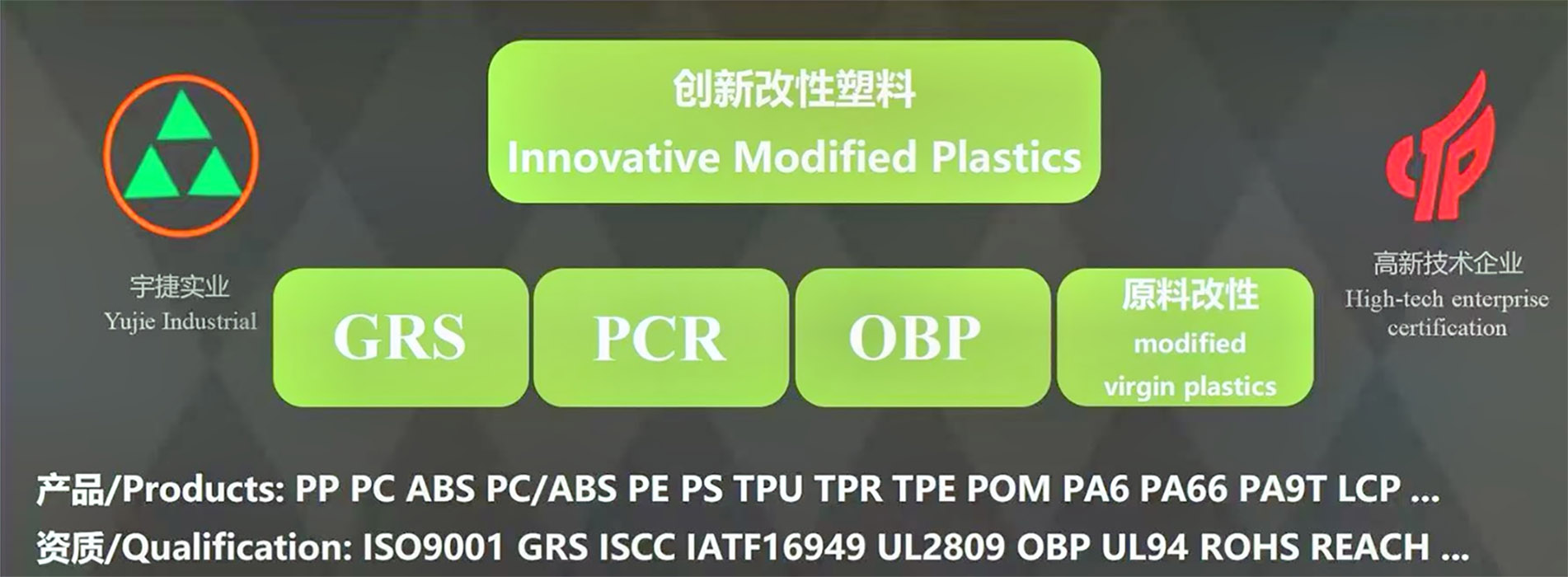
Key Certifications: FDA,GRS,OBP,UL2809,IATF16949,RoHS, REACH, ISO5001,ISO9001,ISO14001, TC certification available, meeting carbon footprint traceability requirements.
Through sorting, crushing, cleaning, melting, and modification granulation, its performance is close to that of virgin PP, making it a low-carbon, cost-effective alternative to new materials.
Recycled PP plastic refers to environmentally friendly materials obtained through the recycling and reprocessing of post-consumer polypropylene (PP) plastic.
PCR modified PP plastic plays a crucial role in promoting environmental protection and resource conservation, not only helping to reduce dependence on virgin resources but also effectively reducing environmental pollution.
Item No :
RPP natureOrder(MOQ) :
25KGPayment :
DiscussedProduct Origin :
ChinaColor :
Nature color or customizedShipping Port :
GuangdongLead Time :
3-10 working days Product categories
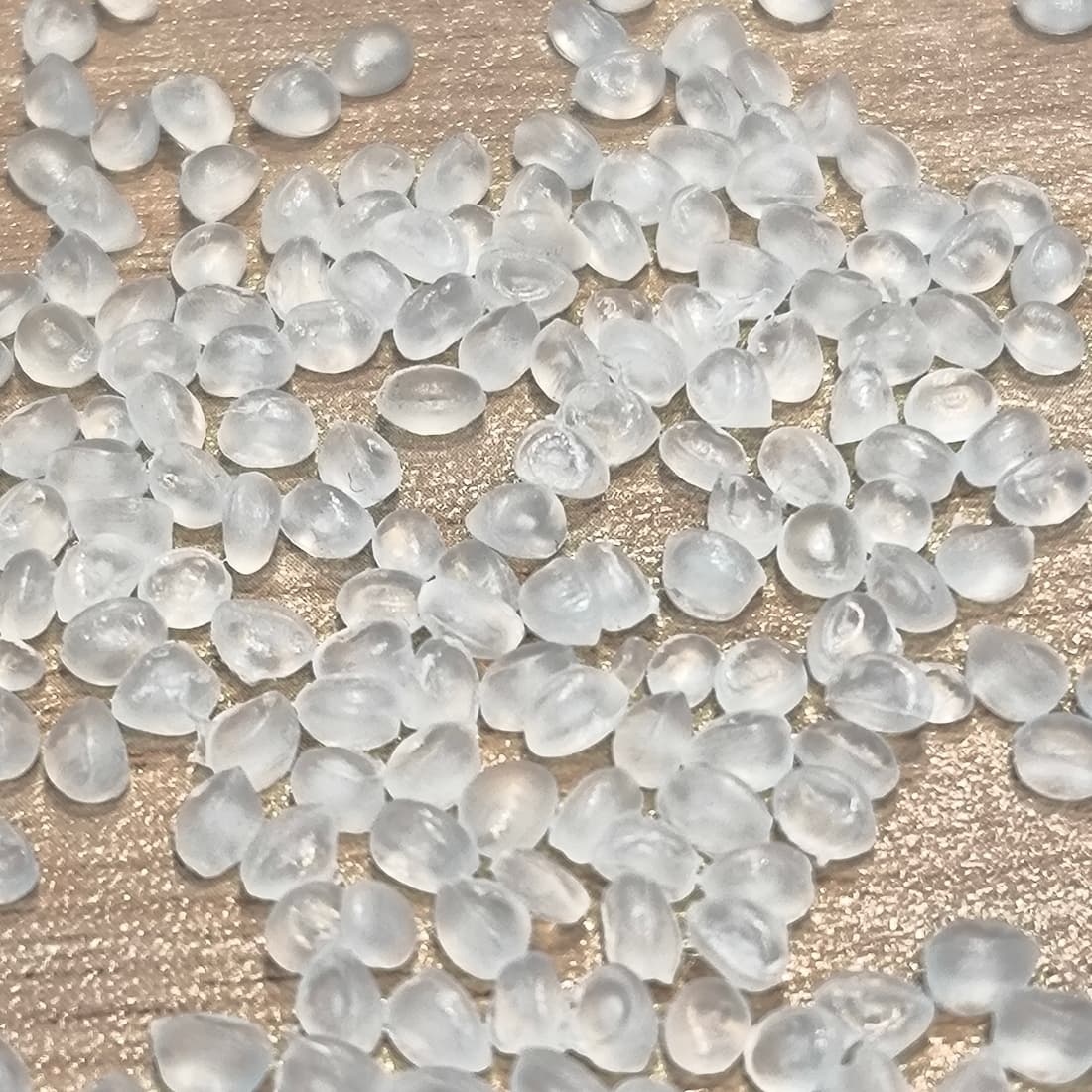
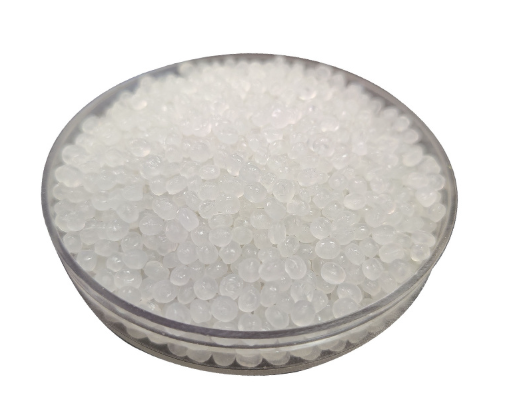
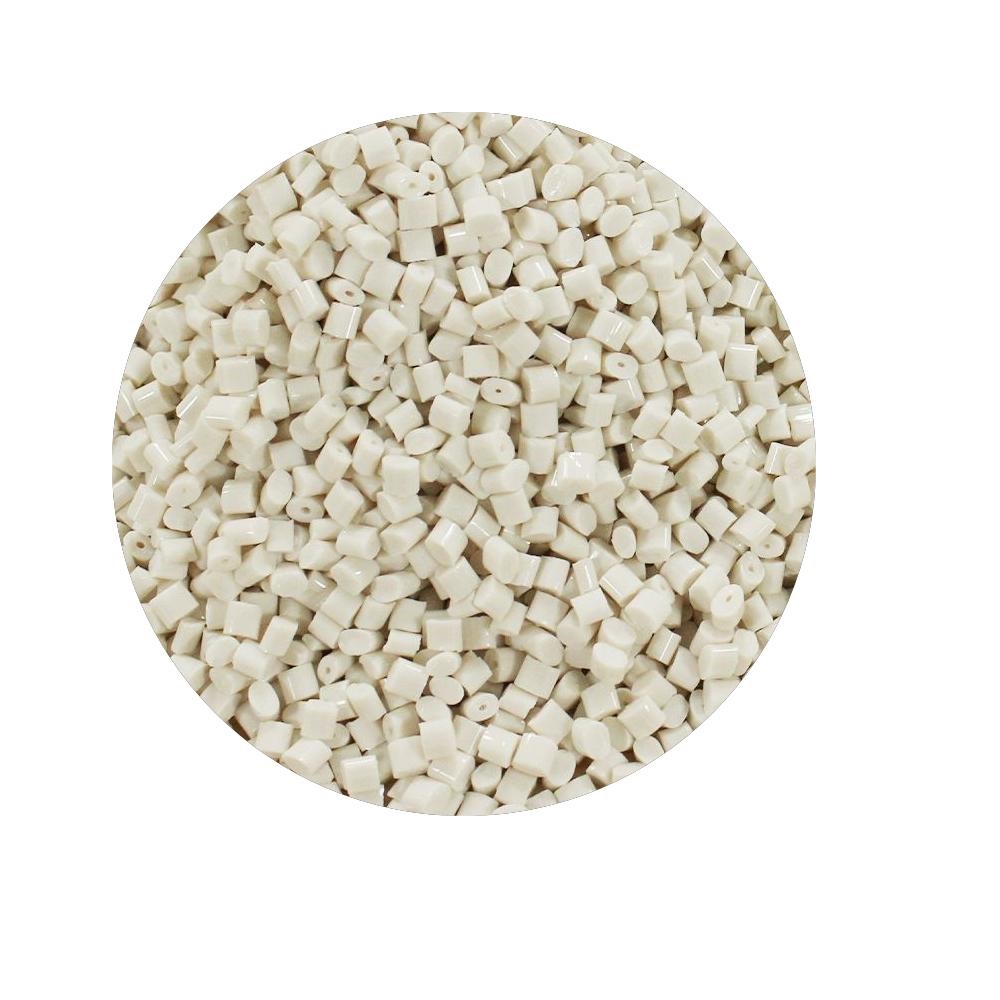
PCR PP (Post-Consumer Recycled Polypropylene) pellets are eco-friendly, high-quality plastic granules sourced from post-consumer and industrial waste (such as automotive parts, containers, and packaging). As a cost-effective and low-carbon alternative to virgin PP, our recycled polypropylene (rPP) granules help global manufacturers reduce carbon footprints while maintaining high structural performance.
Looking for Customized Modified PP Solutions or Free Samples?
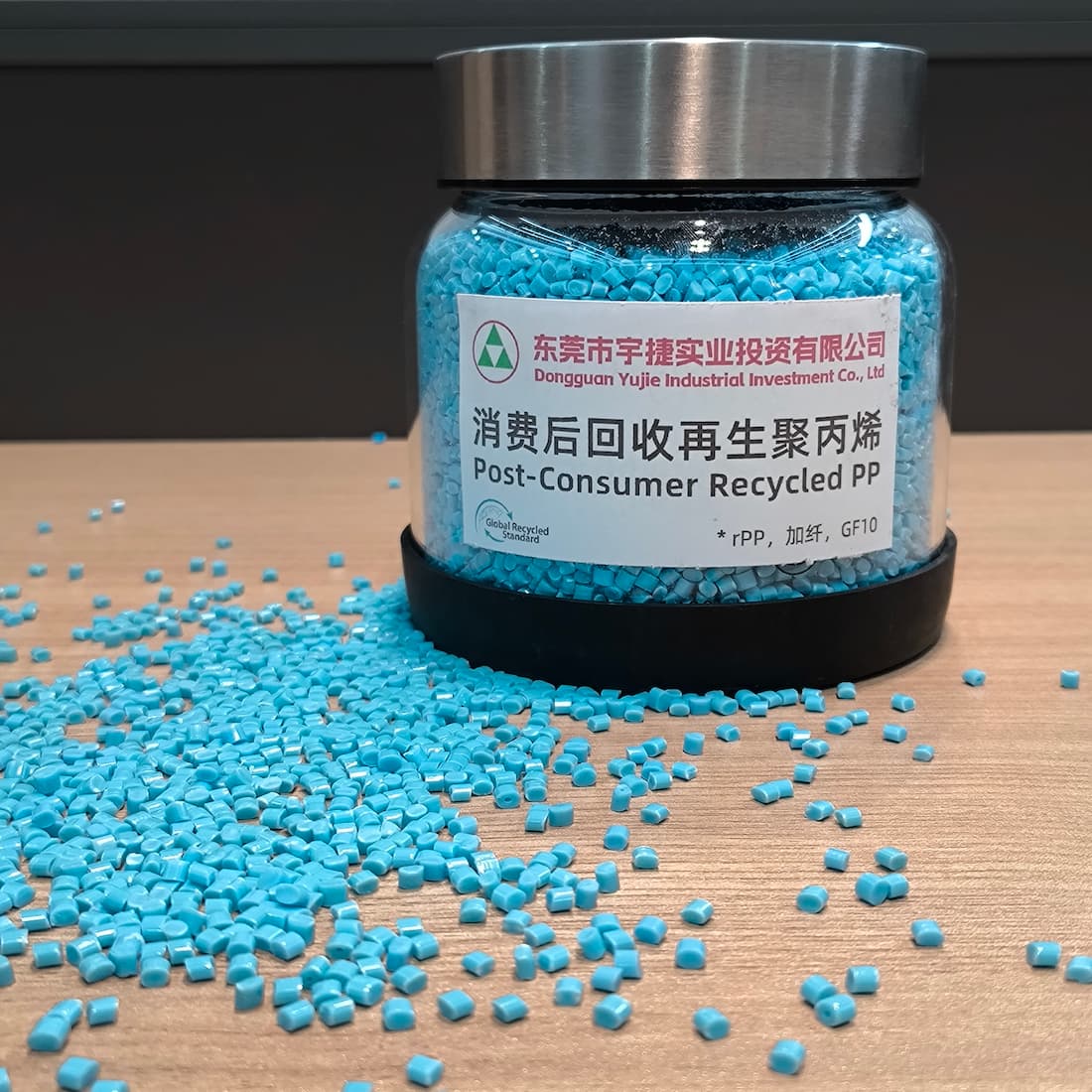
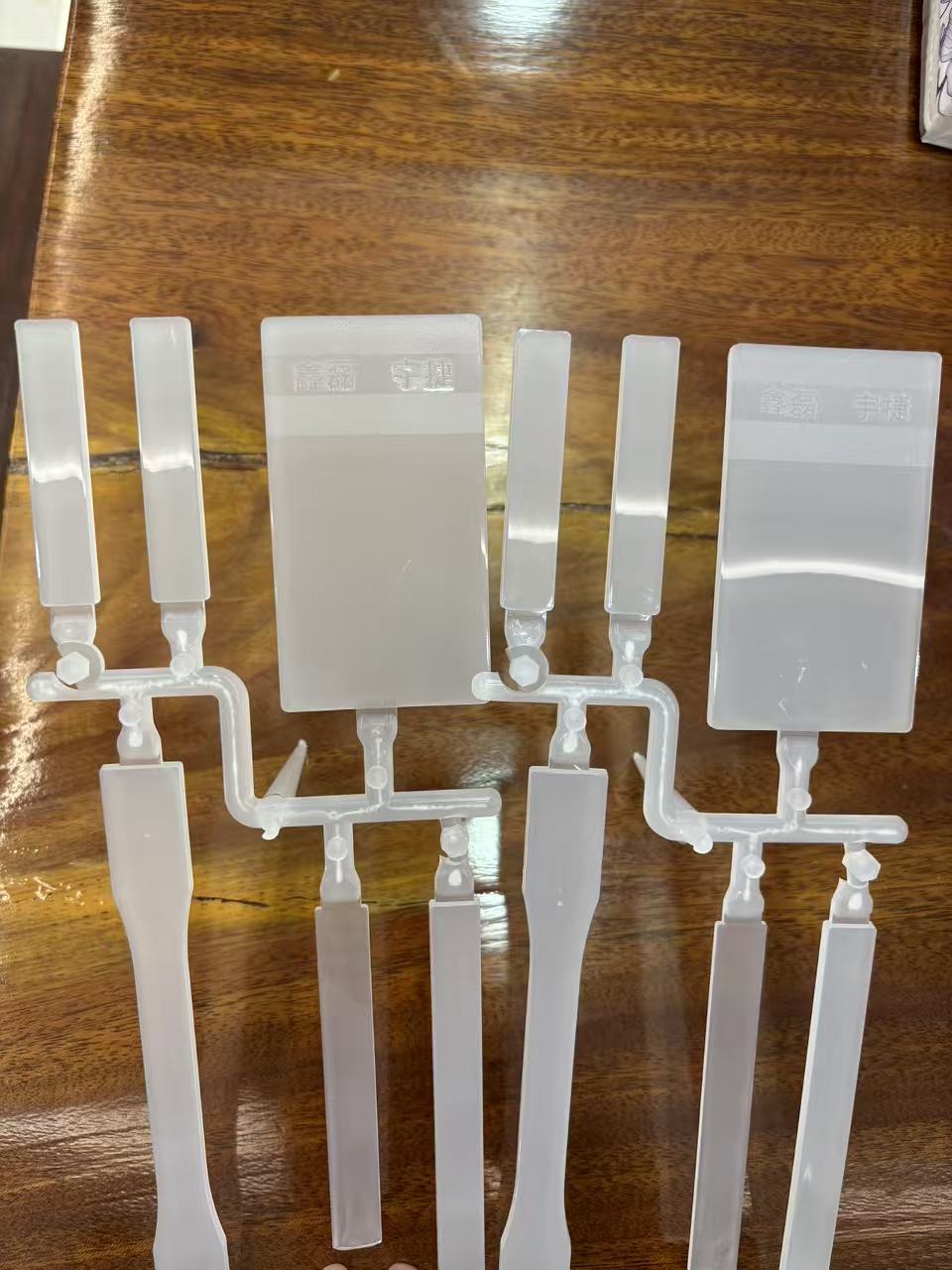
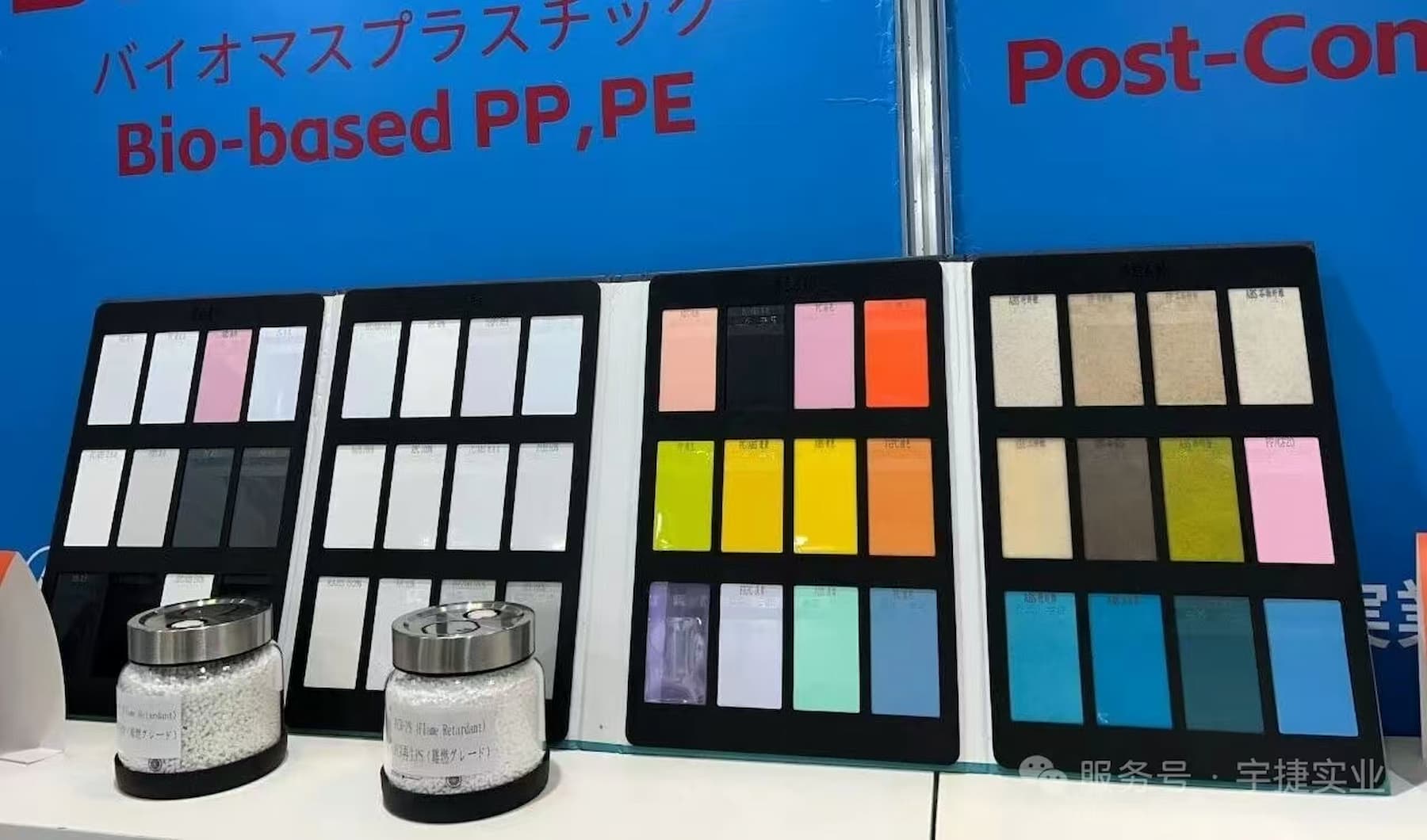
We provide tailored compounding (GF reinforcement, flame retardancy, impact modification) to meet your exact spec sheet. Contact our engineering team for technical datasheets (TDS) and custom quotes.
Our PCR PP base resin features excellent chemical resistance, heat tolerance, electrical insulation, and mechanical toughness. Through advanced compounding techniques—including blending, mineral filling, glass fiber reinforcement, cross-linking, and flame-retardant grafting—we modify rPP resin to meet specific technical requirements:
Our PCR PP granules are suitable for Injection Molding, Extrusion, Blow Molding, and Thermoforming across key industries:
*The standard physical properties listed below serve as a reference. Custom formulations are available upon request.
| Property | Test Method | Test Condition | Units | YJ-03 | YJ-15 | YJ-26 | YJ-40 |
|---|---|---|---|---|---|---|---|
| Specific Gravity | ASTM D792 | - | g/cm³ | 0.90 | 0.90 | 0.90 | 0.90 |
| Filler Content | - | - | % | - | - | - | - |
| Melt Flow Index (MFI) | ASTM D1238 | 230°C / 2.16 kg | g/10 min | 3 | 15 | 26 | 40 |
| Tensile Strength | ASTM D638 | 50 mm/min | kgf/cm² | 300 | 380 | 342 | 335 |
| Elongation at Break | ASTM D638 | 50 mm/min | % | 590 | 150 | 295 | 200 |
| Flexural Modulus | ASTM D790 | 50 mm/min | kgf/cm² | 12,000 | 15,600 | 12,800 | 12,500 |
| Izod Impact Strength (Notched) | ASTM D256 | 1/8" | kgf·cm/cm | 5.0 | 4.5 | 5.0 | 4.5 |
| Heat Deflection Temp (HDT) | ASTM D648 | 0.45 MPa | °C | 110 | 110 | 110 | 110 |
| Flammability Rating | UL-94 | 2.0 mm | Class | HB | HB | HB | HB |
| Drying Temperature & Time | - | - | °C / Hrs | 60 - 80 °C / 4 Hours | |||
| Recommended Processing Temp | - | Melt / Mold | °C | Melt: 190 - 210 °C | Mold: 60 - 80 °C | |||
High-purity recycled polypropylene pellets produced under strict quality control system.
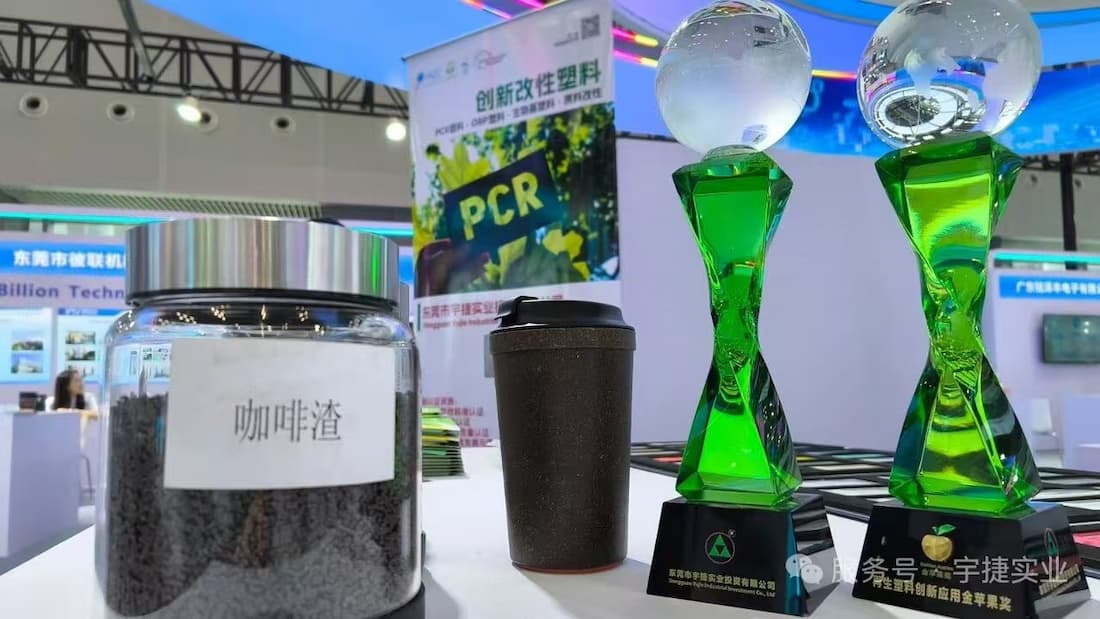
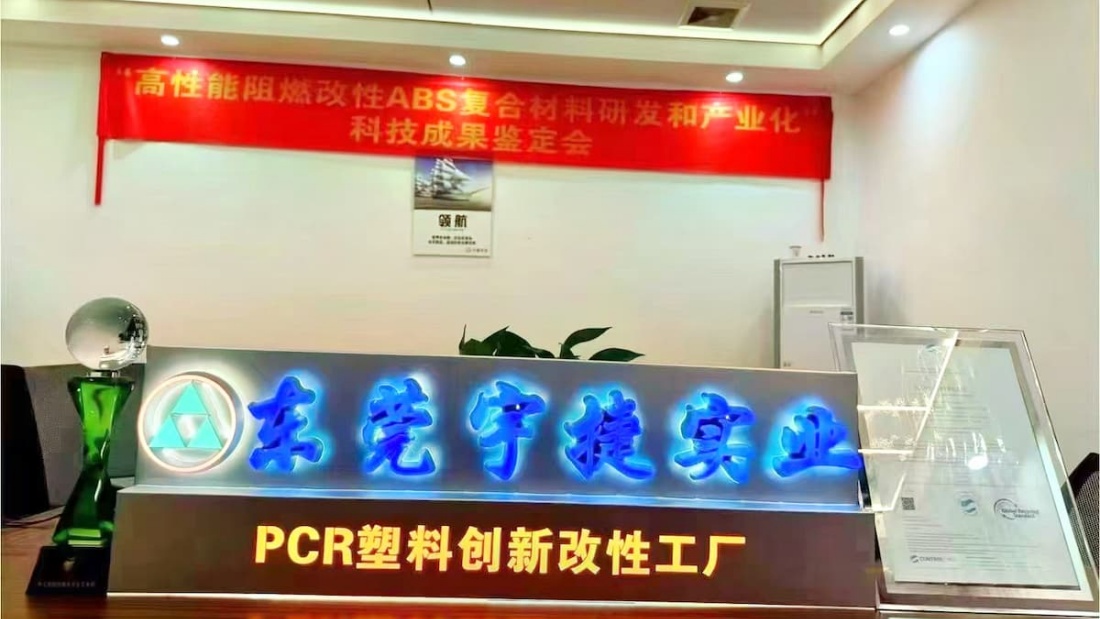
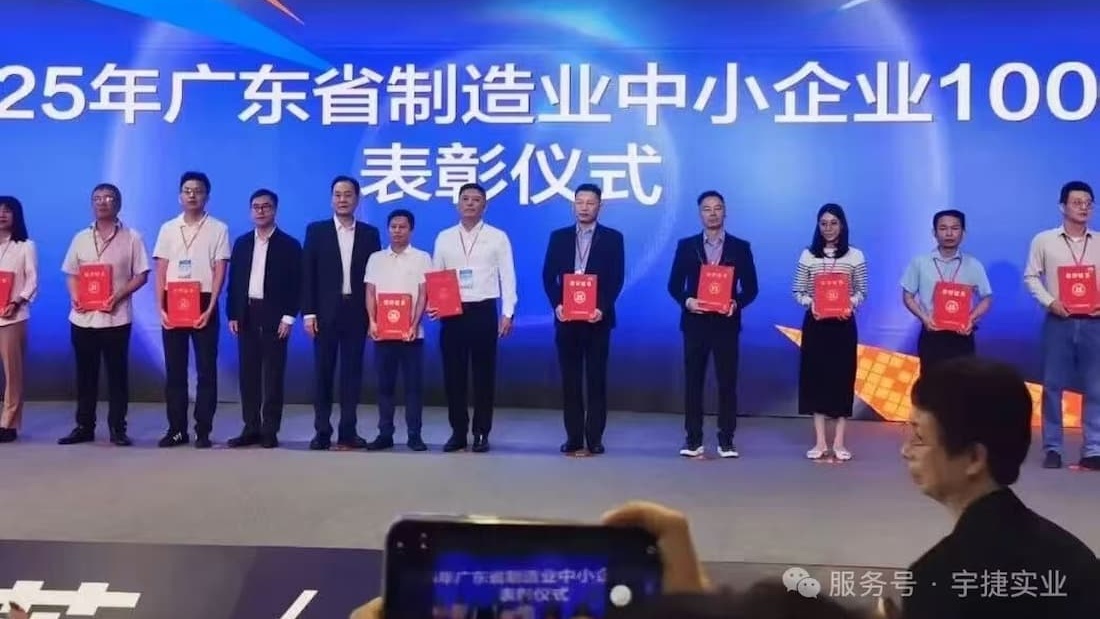
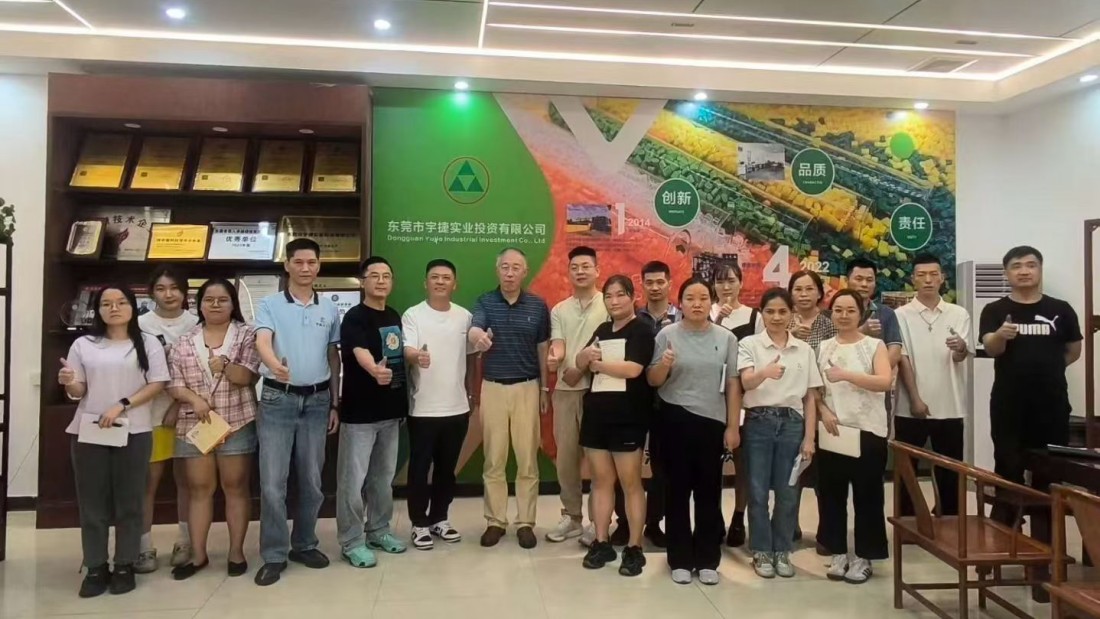
Yujie Industrial provides professional OEM/ODM modification and global wholesale export for plastic raw materials.
Contact Our Engineers Now
 IPv6 Network Supported
leave a message
Scan to Wechat/Whatsapp :