William Chen
+86 18250853801
leave a message
If you are interested in our products and want to know more details,please leave a message here,we will reply you as soon as we can.


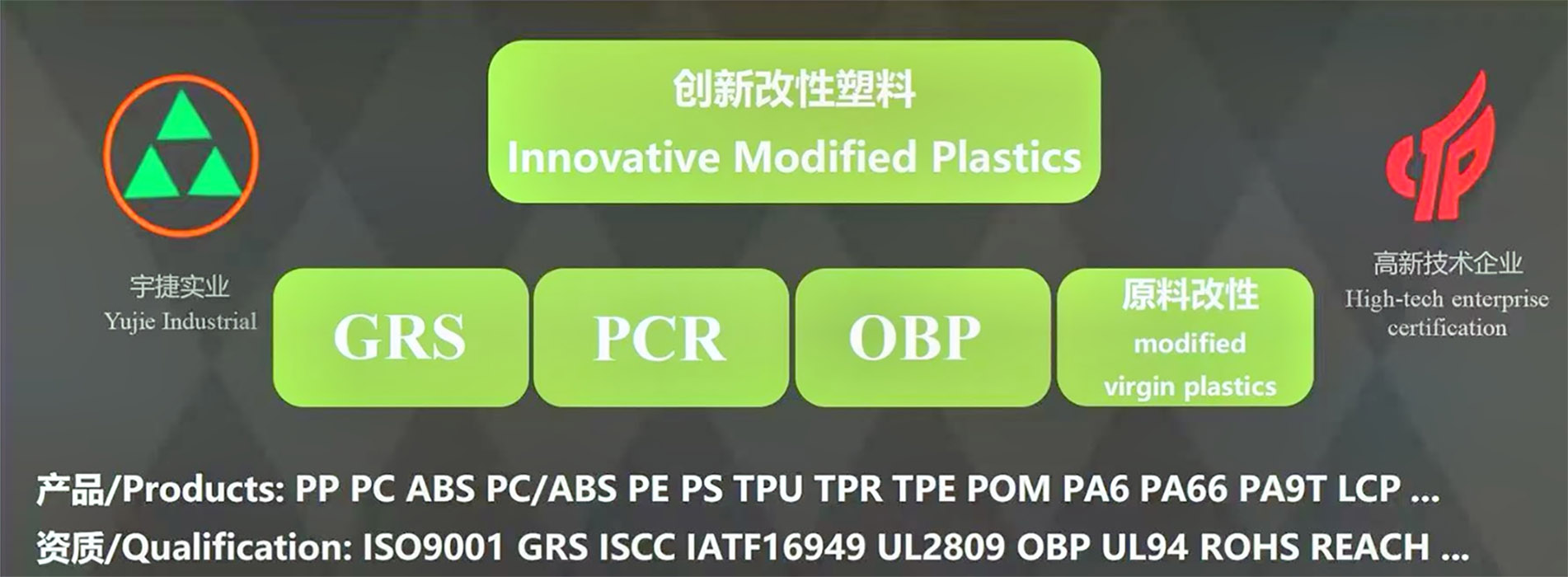
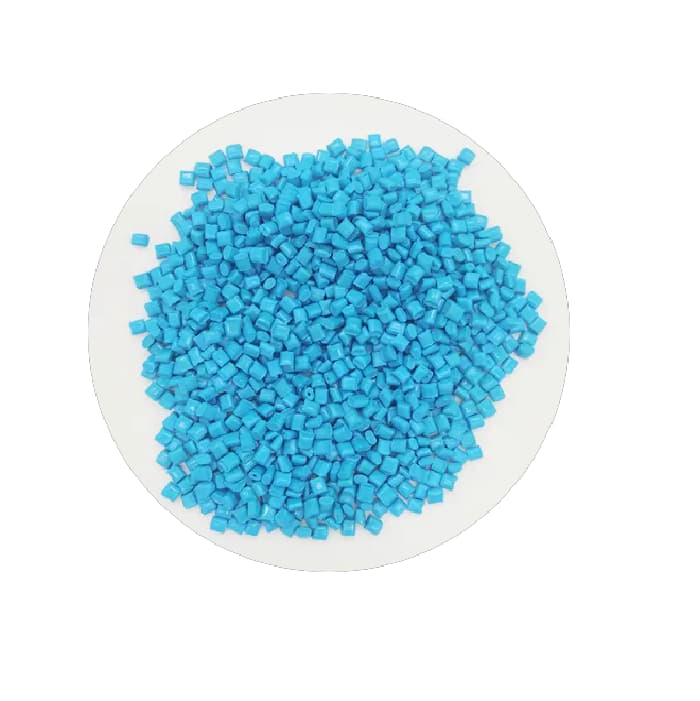
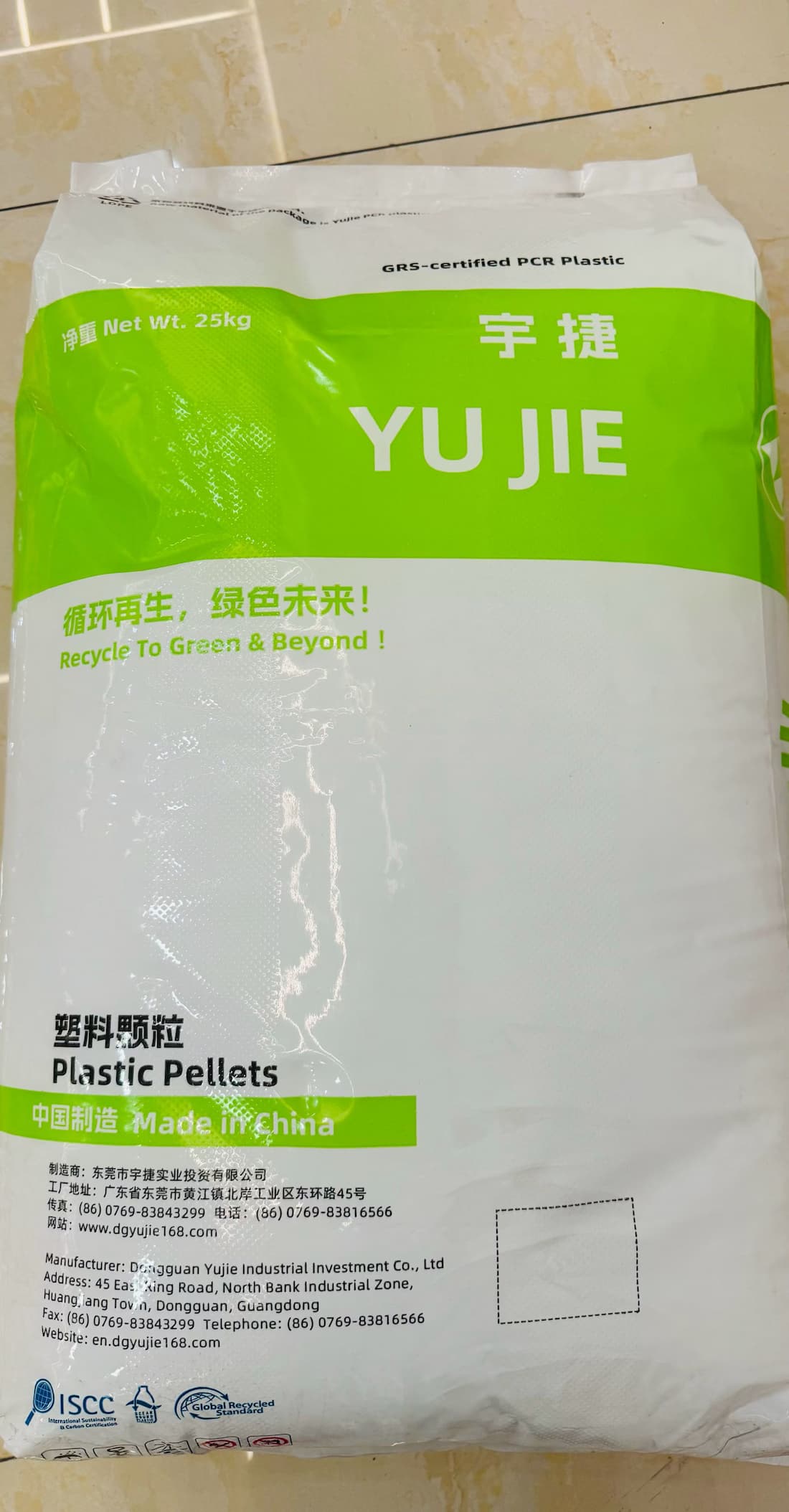
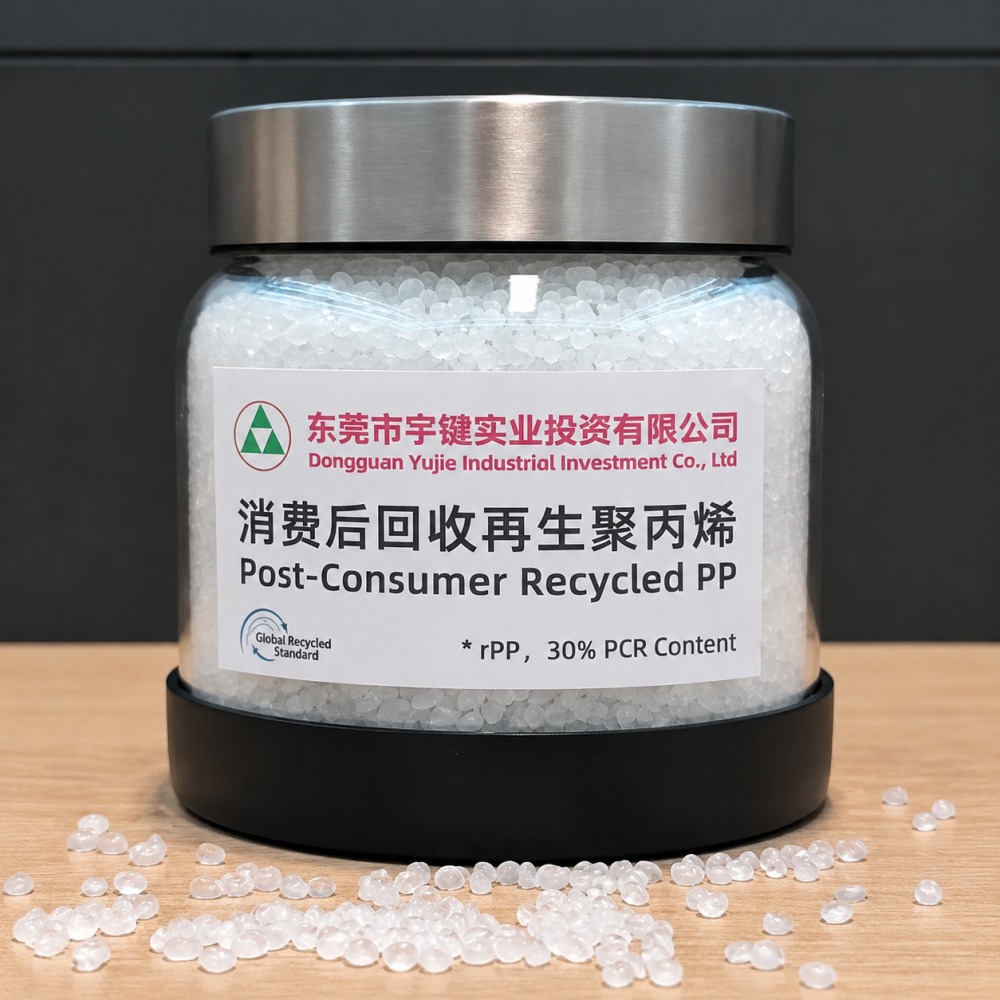
Yujie PCR RPE (Recycled Polyethylene) pellets are high-purity eco-friendly granules processed from post-consumer PE waste. Ideal for manufacturers looking to reduce carbon footprints while maintaining reliable processing performance and structural integrity.
Available Resin Types: RHDPE, RLDPE, RLLDPE, and RUHMW-PE.
Key Characteristics: High chemical resistance, excellent dielectric insulation, superior flexibility, and non-toxic/odorless safety profile.
Processing Versatility: Low melting point suited for high-speed injection molding, film extrusion, and blow molding.
Target Applications: Industrial packaging, agricultural films, piping systems, cable jacketing, and daily consumer items.
Item No :
RHDPE 、RLDPE natureOrder(MOQ) :
25KGPayment :
DiscussProduct Origin :
CHINAColor :
NatureShipping Port :
GuangDongLead Time :
3-10 working days Product categories
PCR RPE (Post-Consumer Recycled Polyethylene) pellets are versatile thermoplastic granules reprocessed from post-consumer and industrial PE waste. Polyethylene is a fundamental resin polymerized from ethylene monomers. Yujie Industrial supplies premium Recycled Polyethylene Resin across multiple density grades (RHDPE, RLDPE, RLLDPE, and RUHMW-PE), enabling manufacturers to achieve sustainability targets without compromising processability or mechanical performance.
Looking for Customized RPE Compounding or Free Samples?
We offer customized melt flow indices, color matching, and grade blending (LDPE/LLDPE/HDPE) to fit your injection, blow molding, or film extrusion specs. Contact our engineering team for technical datasheets (TDS) and volume pricing.
Yujie PCR RPE granules provide an optimal balance of cost-efficiency, chemical stability, and environmental compliance:
We supply four main categories of recycled polyethylene granules classified by density and molecular structure:
| Industry Sector | Common Applications |
|---|---|
| Packaging Industry | Carrier bags, heavy-duty sacks, stretch films, containers, chemical drums, trash bins. |
| Agriculture | Mulch films, greenhouse covers, drip irrigation piping, pesticide bottles. |
| Industrial & Infrastructure | Water drainage pipes, conduit, cable insulation jacketing, fuel tanks, storage pallets. |
| Consumer Goods | Buckets, storage bins, outdoor furniture, park benches, household plastic products. |
High-purity recycled polyethylene pellets processed under strict sorting, washing, and extruding quality controls.
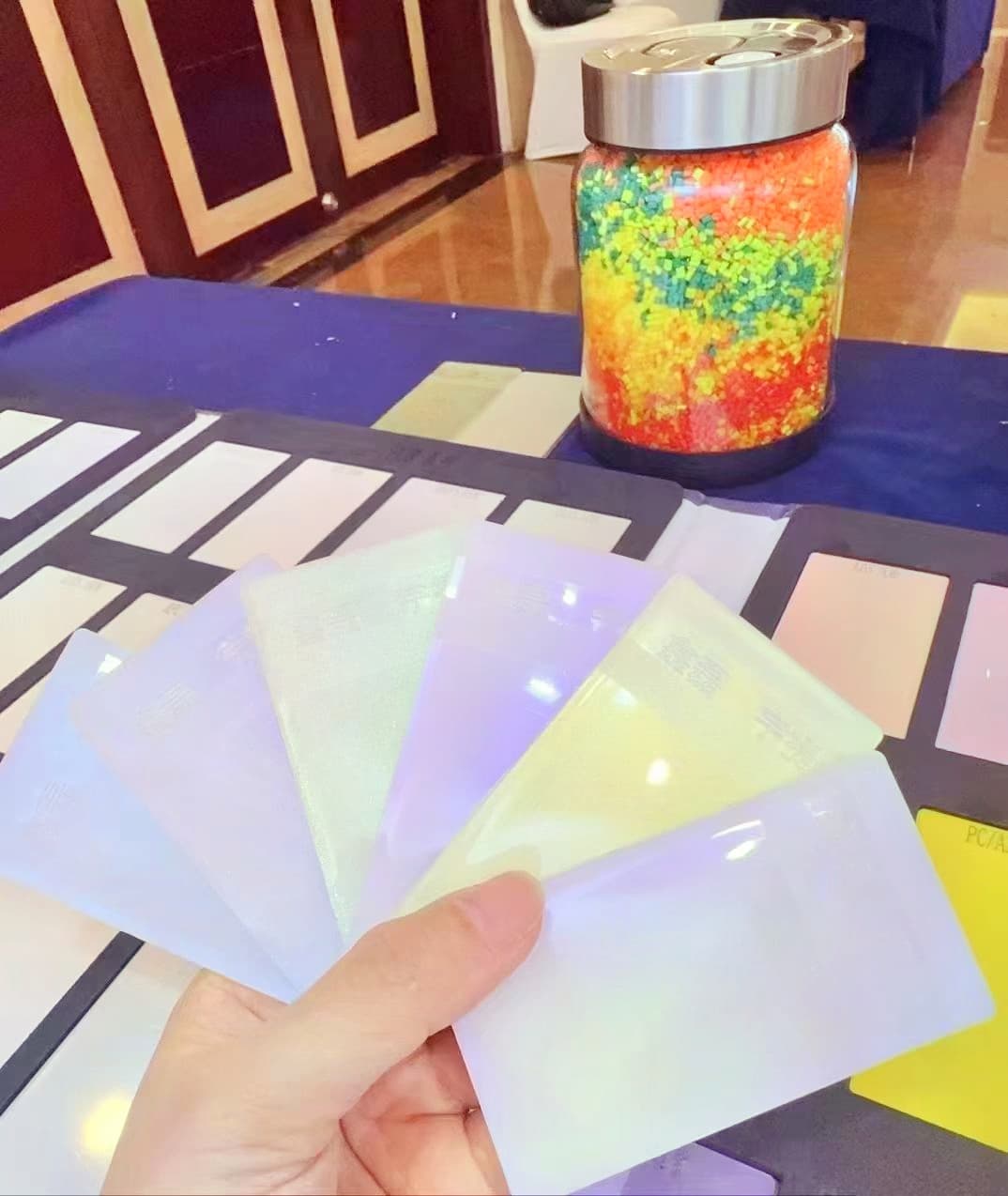
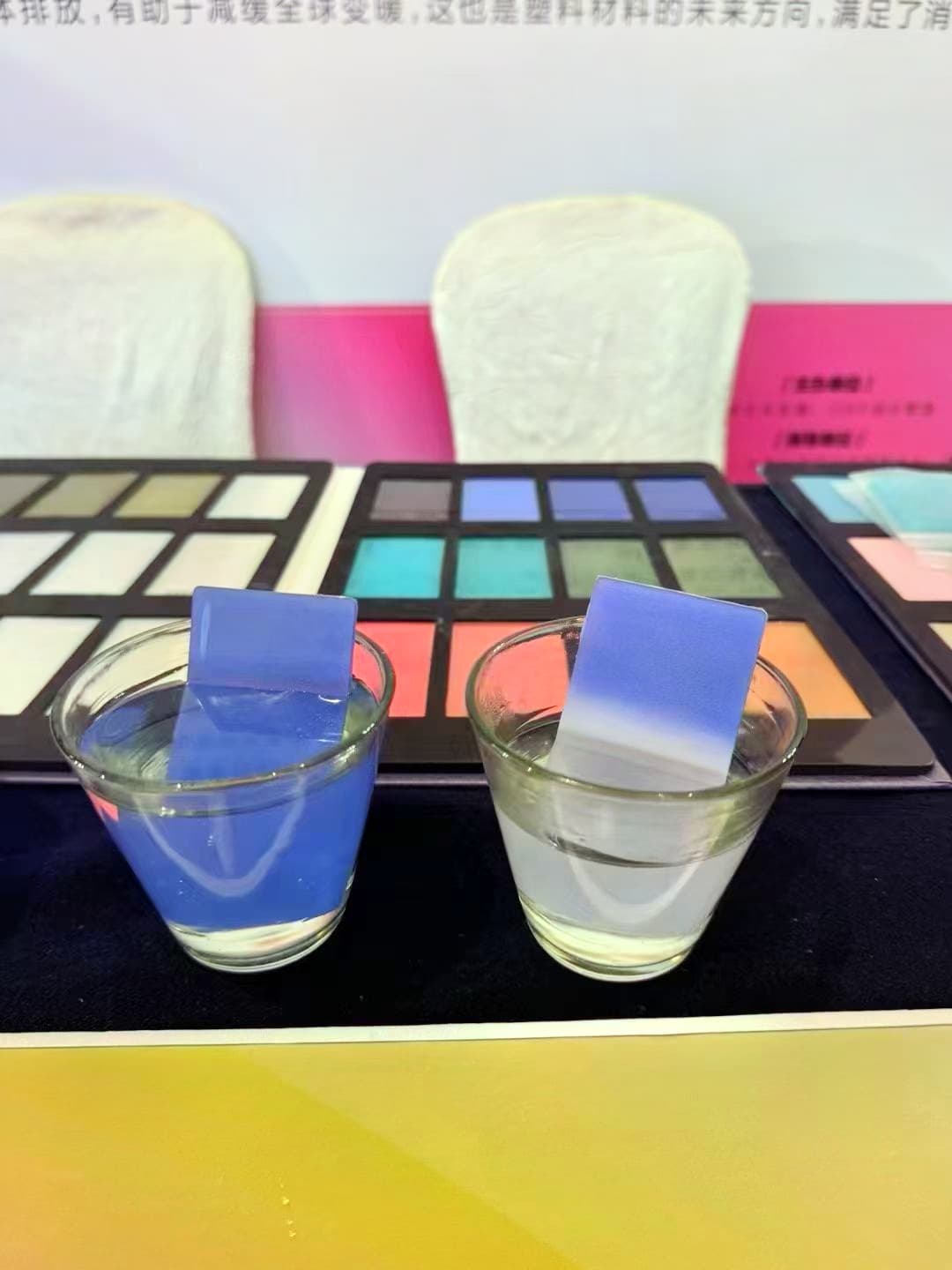
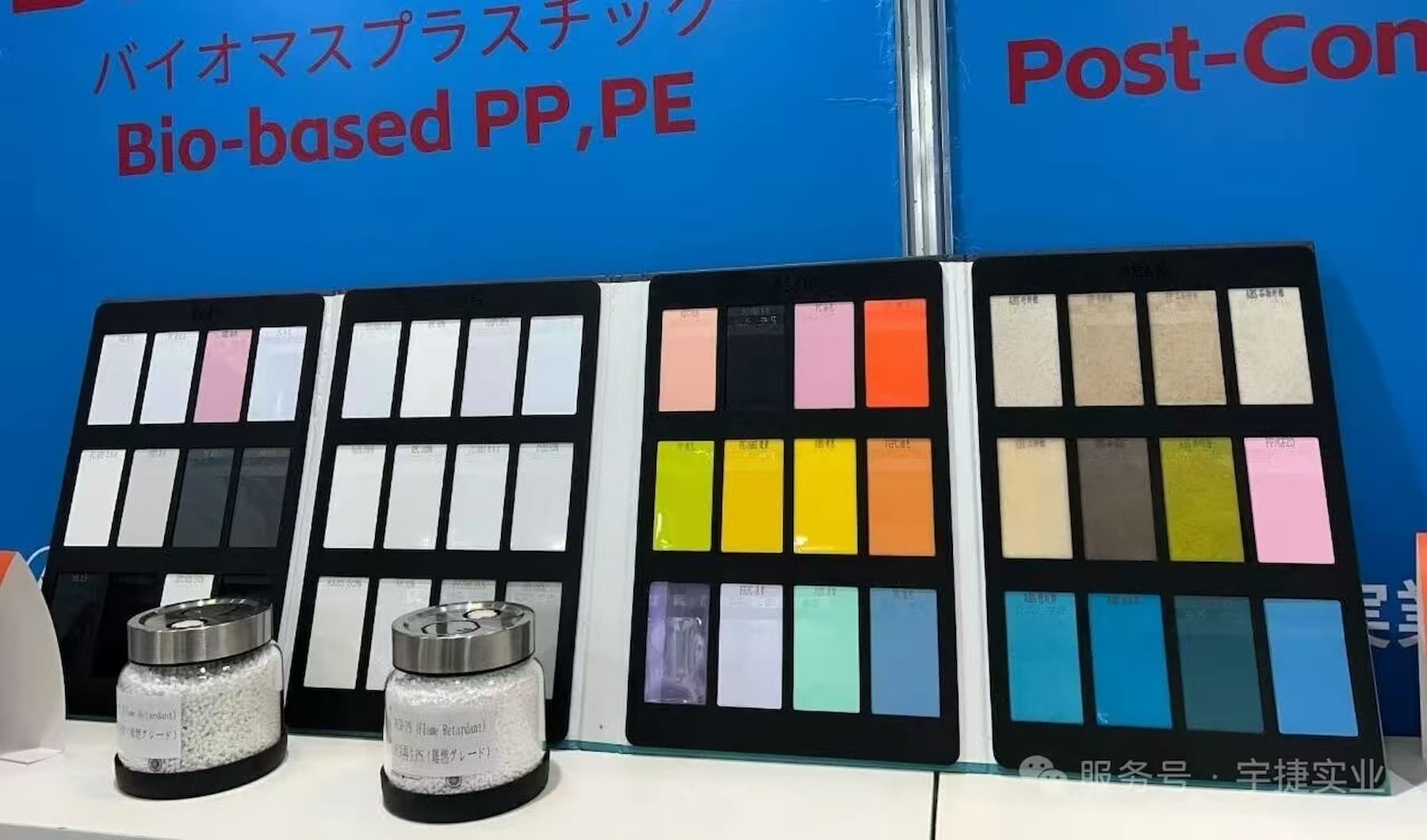
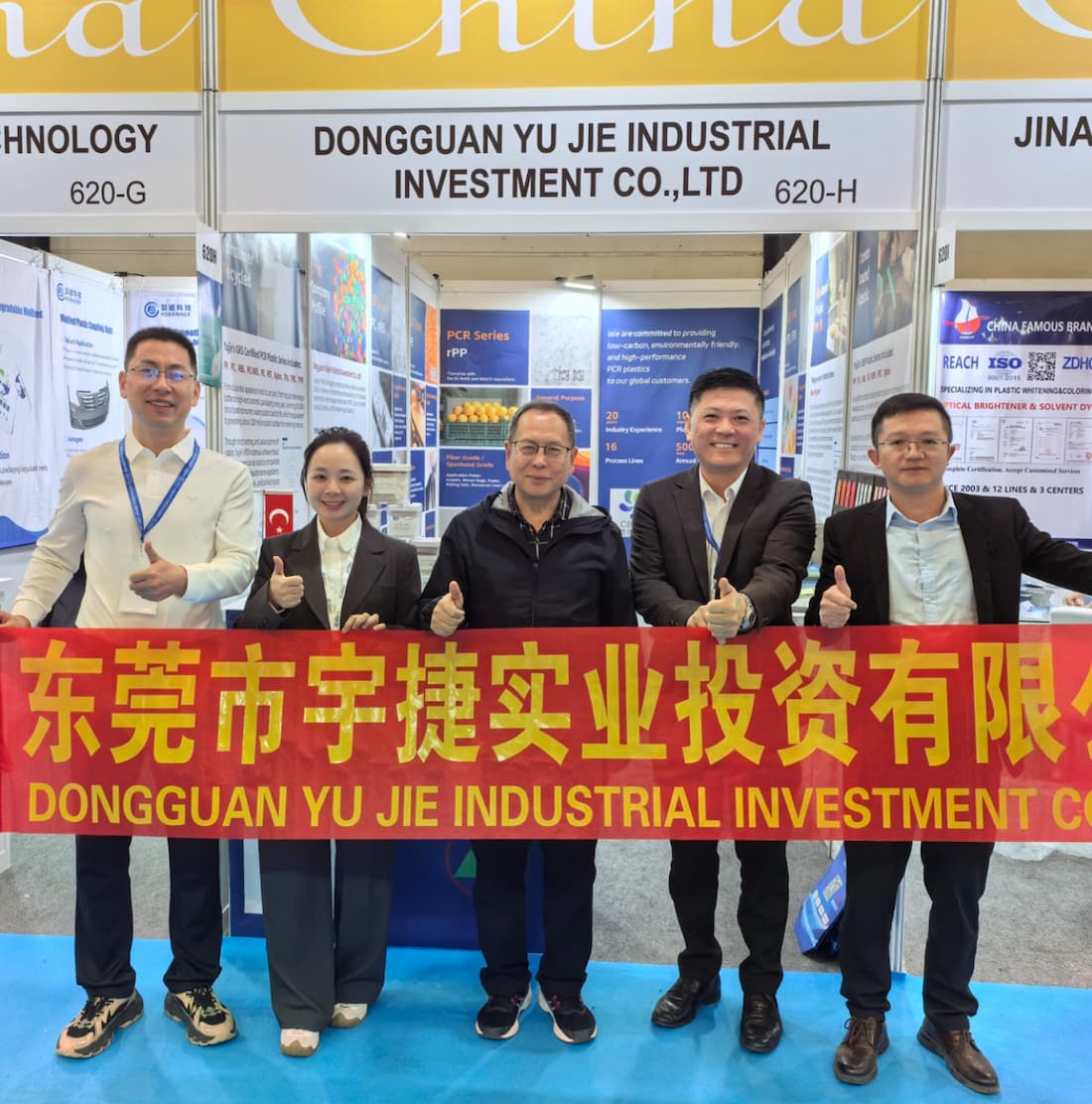
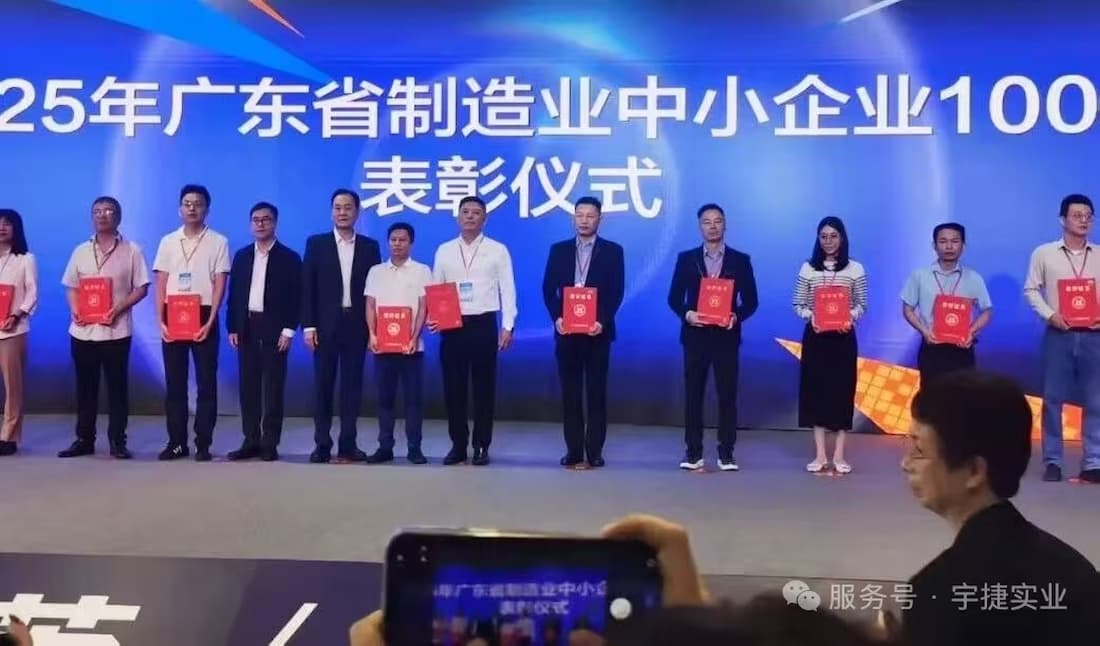
Yujie Industrial provides certified PCR raw materials with consistent lot-to-lot reliability for international manufacturers.
Contact Our Engineers Now
 IPv6 Network Supported
leave a message
Scan to Wechat/Whatsapp :