William Chen
+86 18250853801
leave a message
If you are interested in our products and want to know more details,please leave a message here,we will reply you as soon as we can.


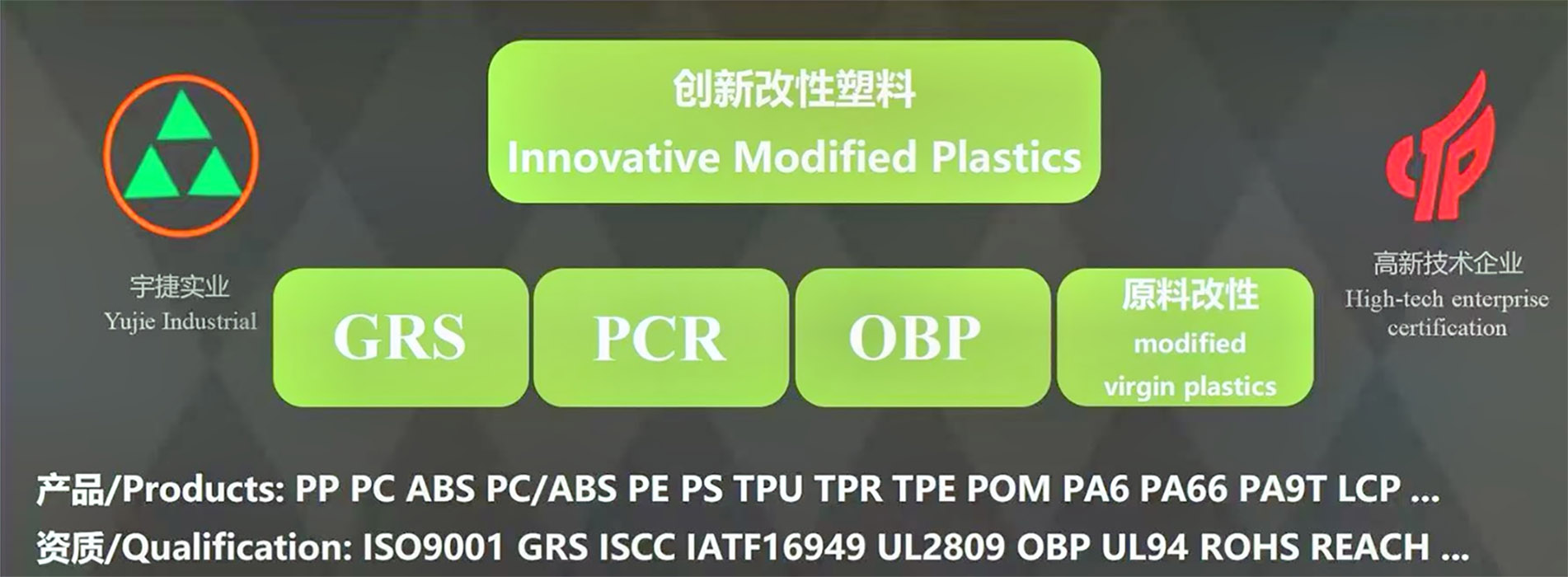
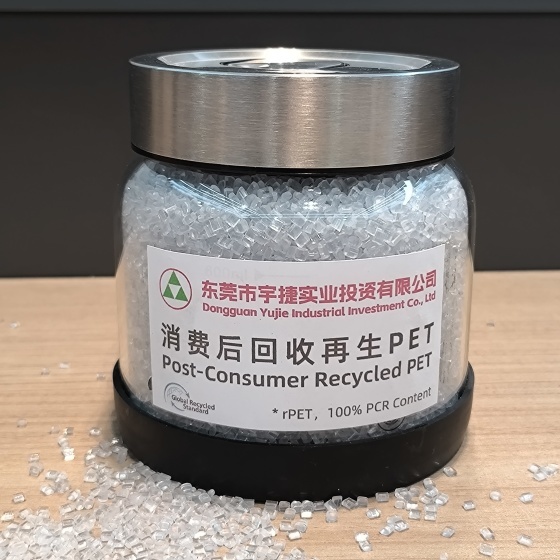
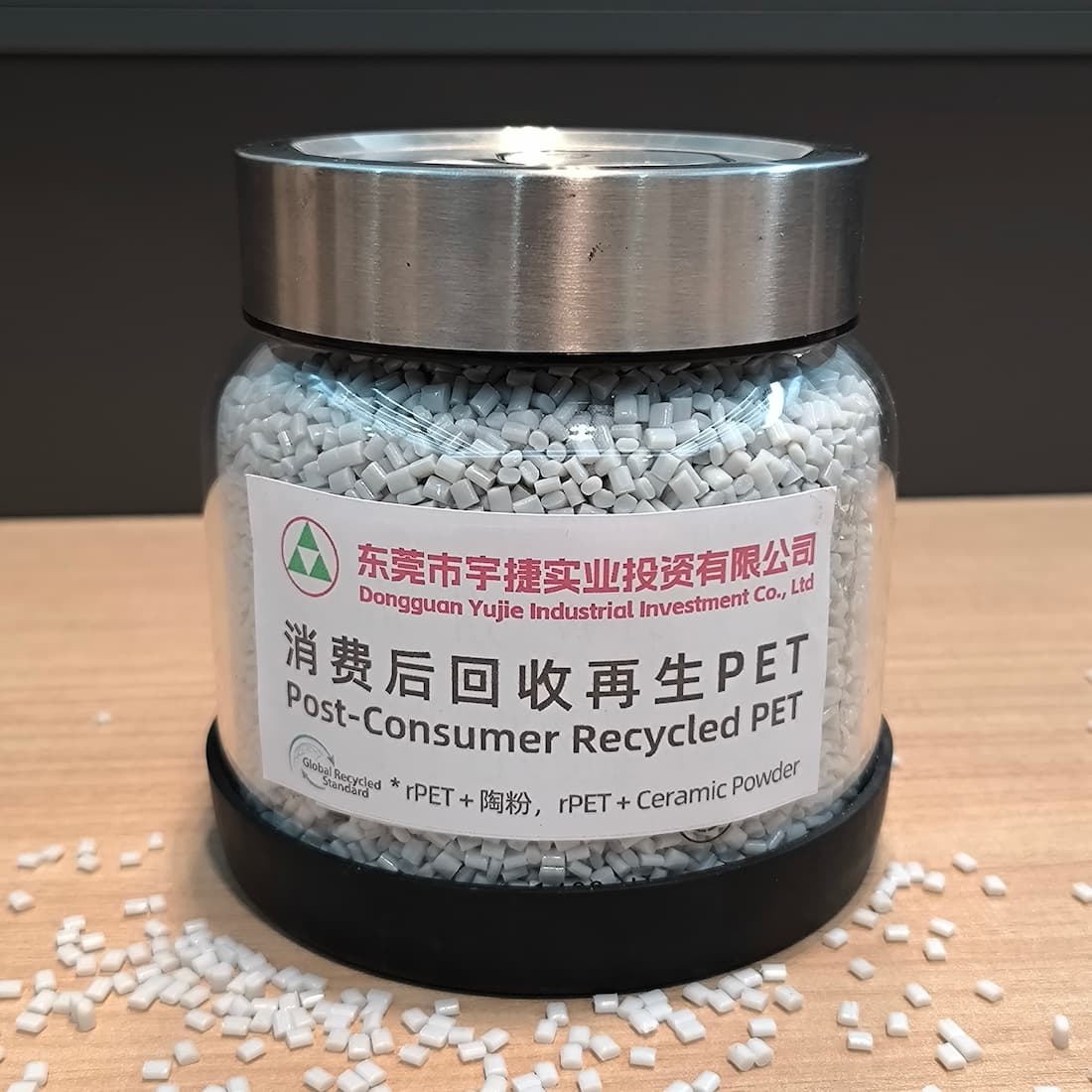
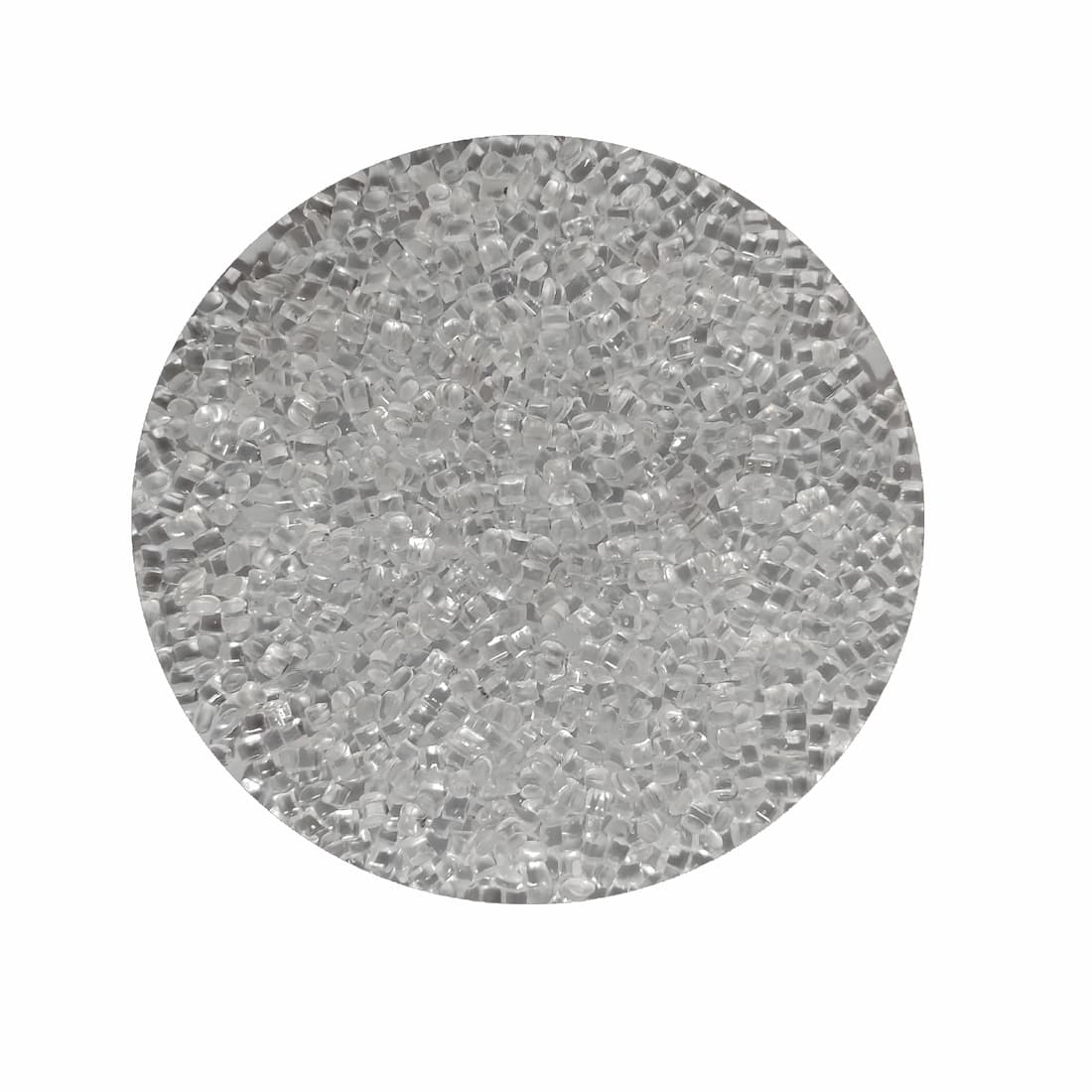
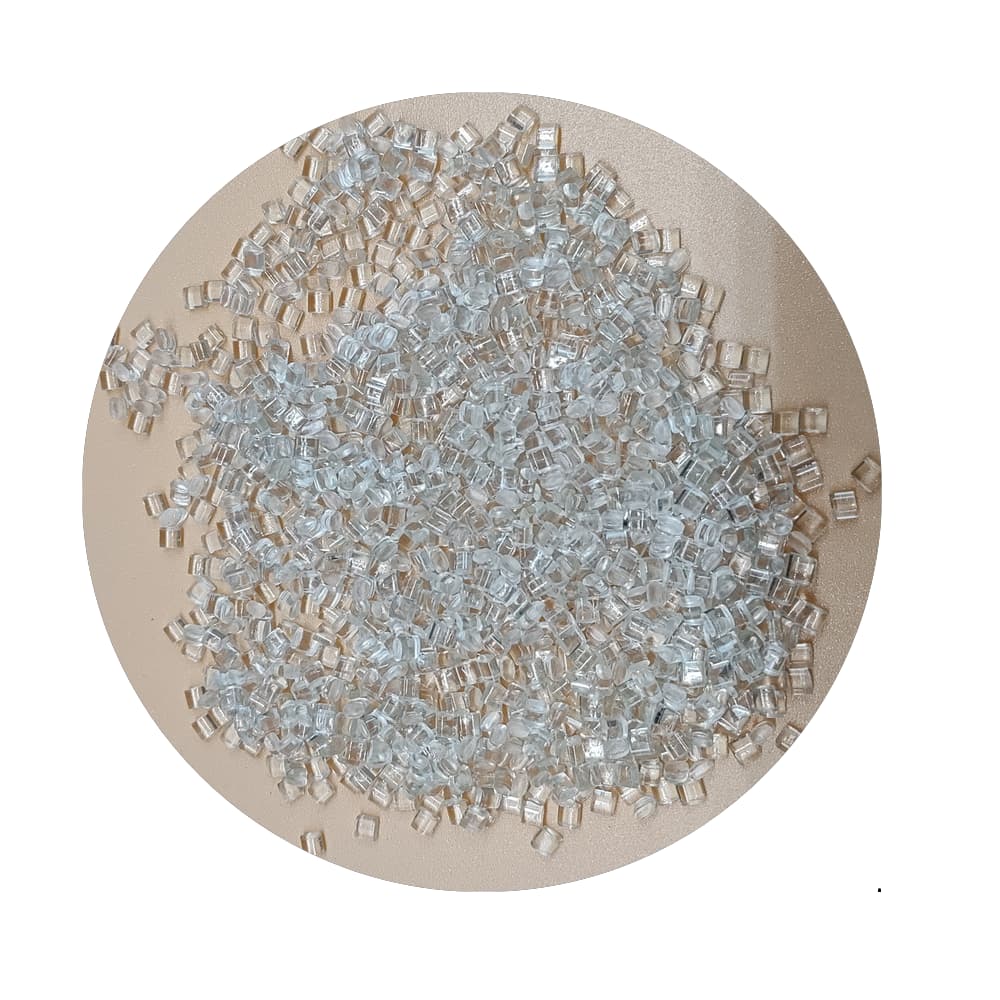
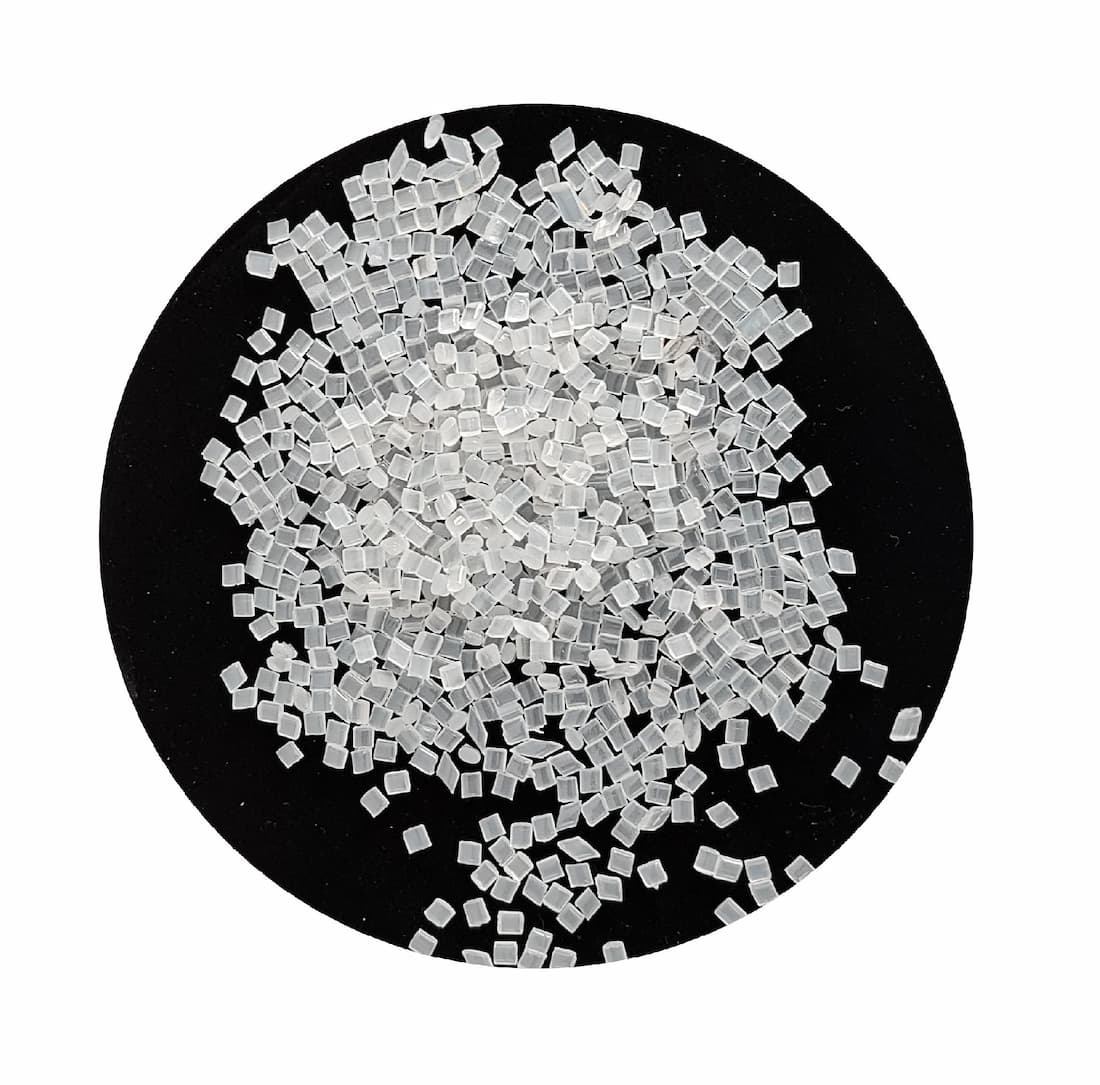
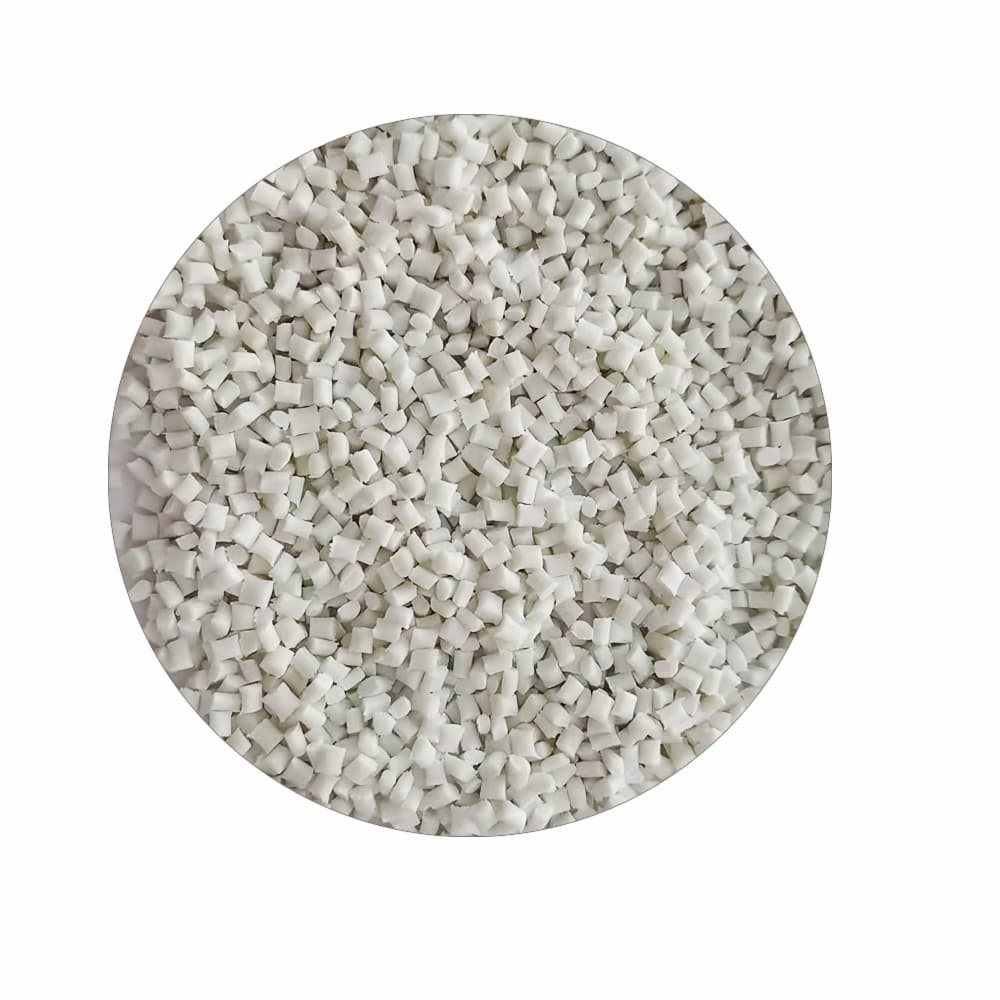
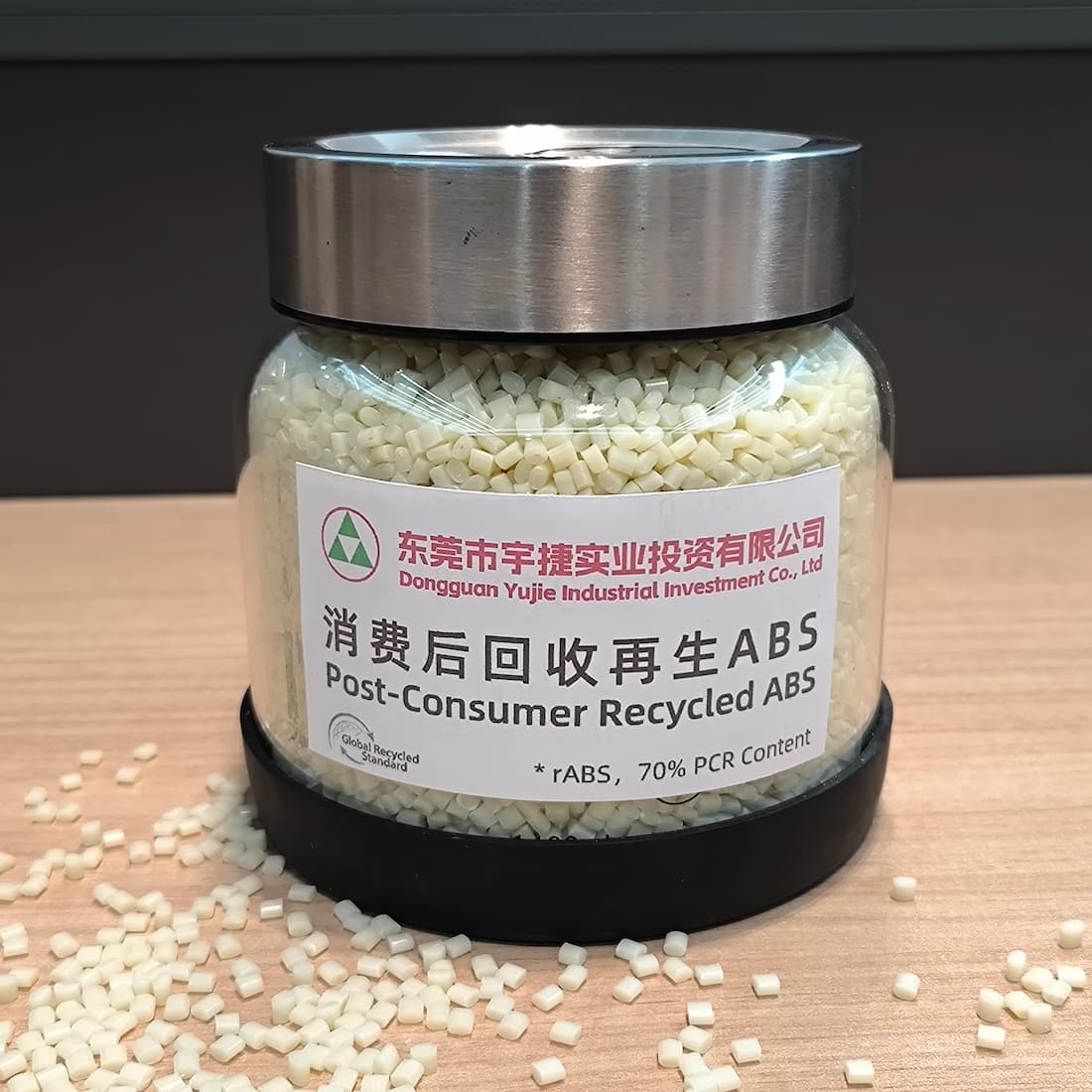
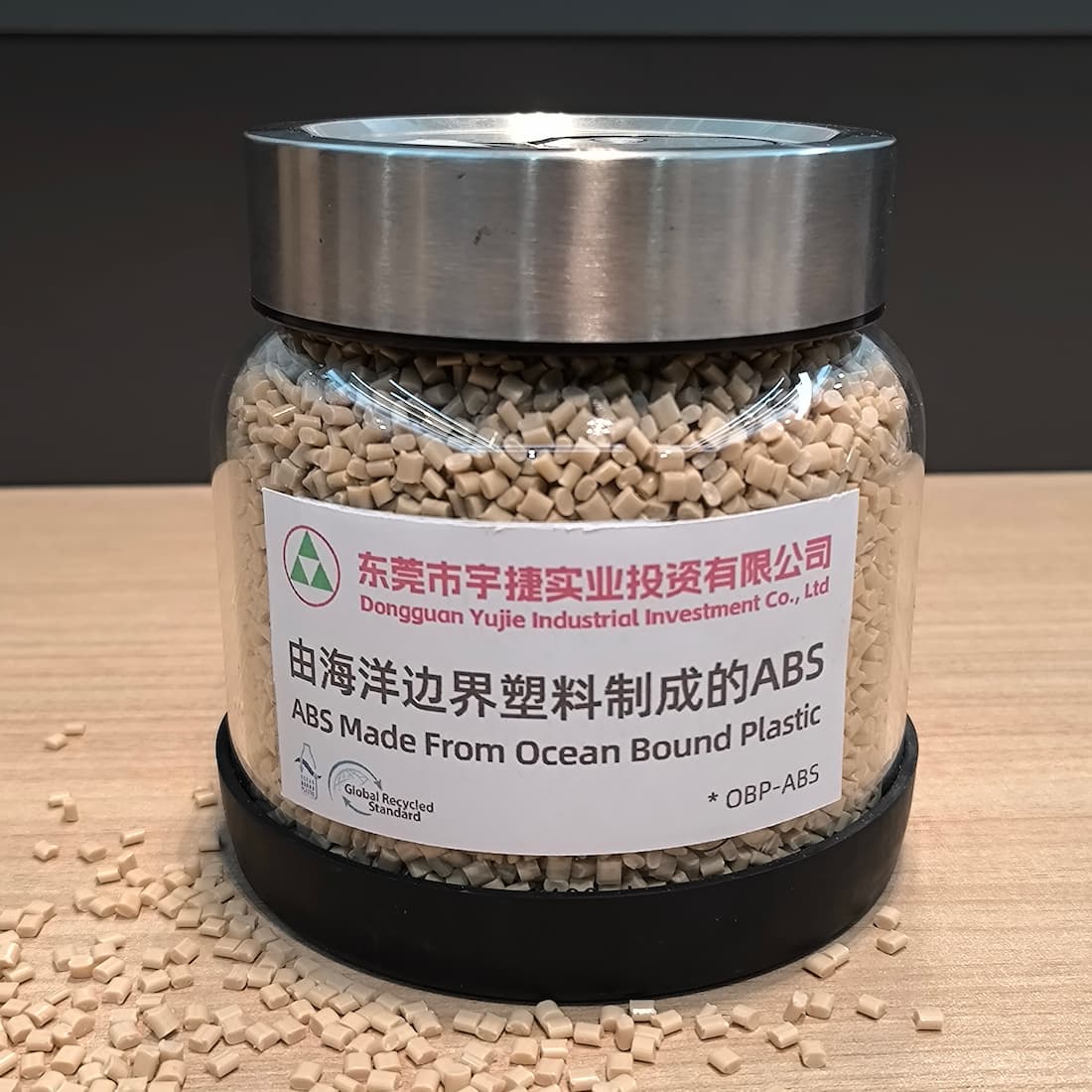
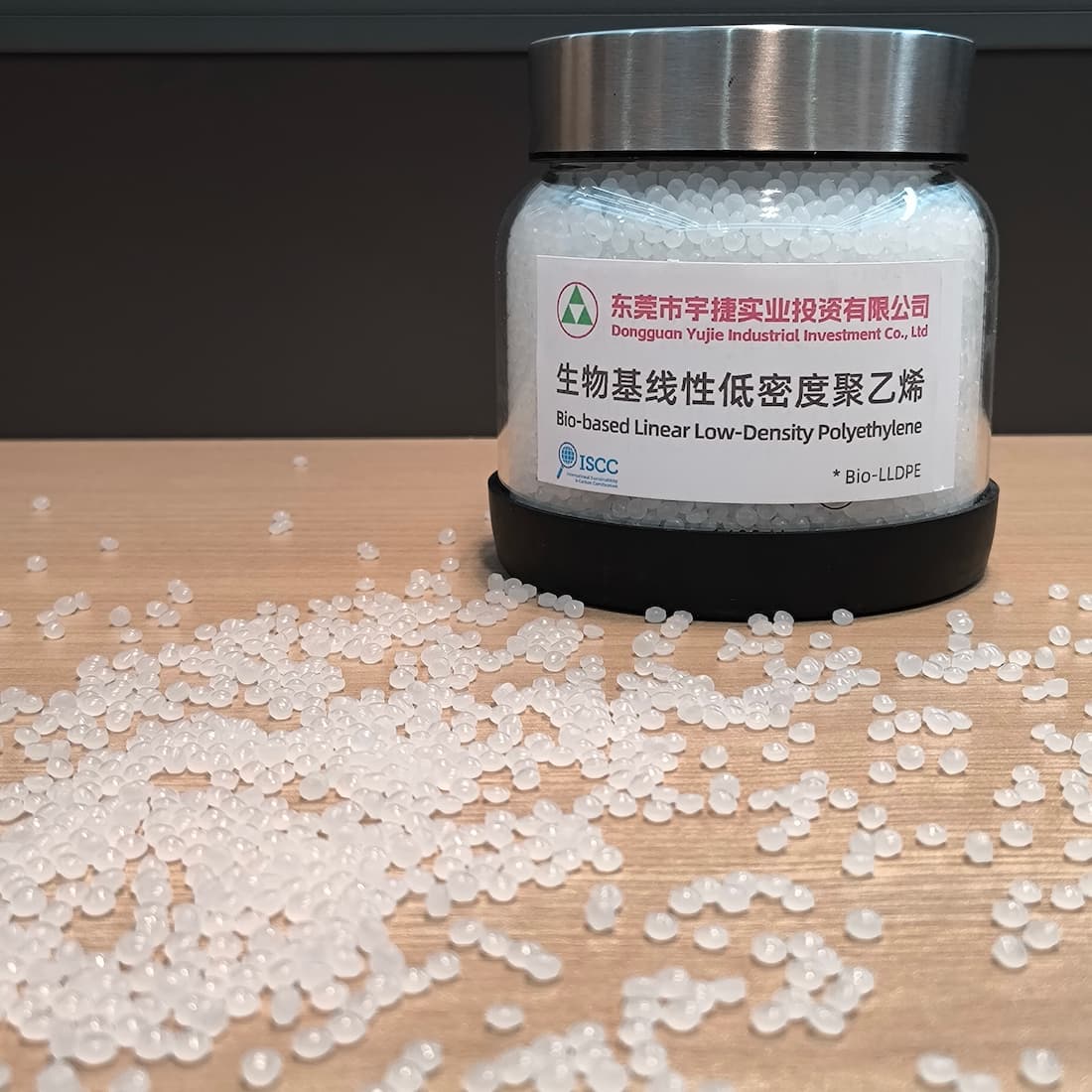
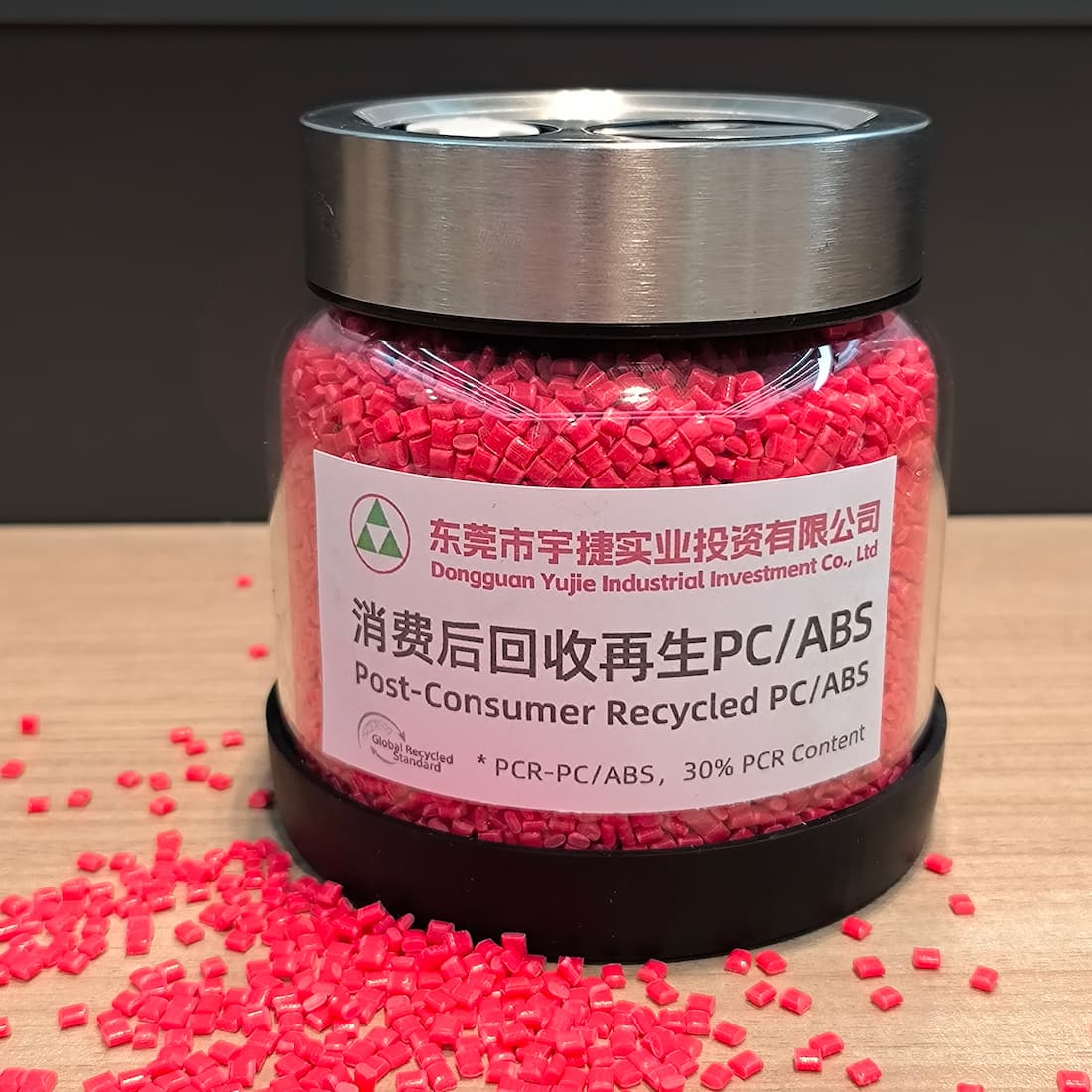
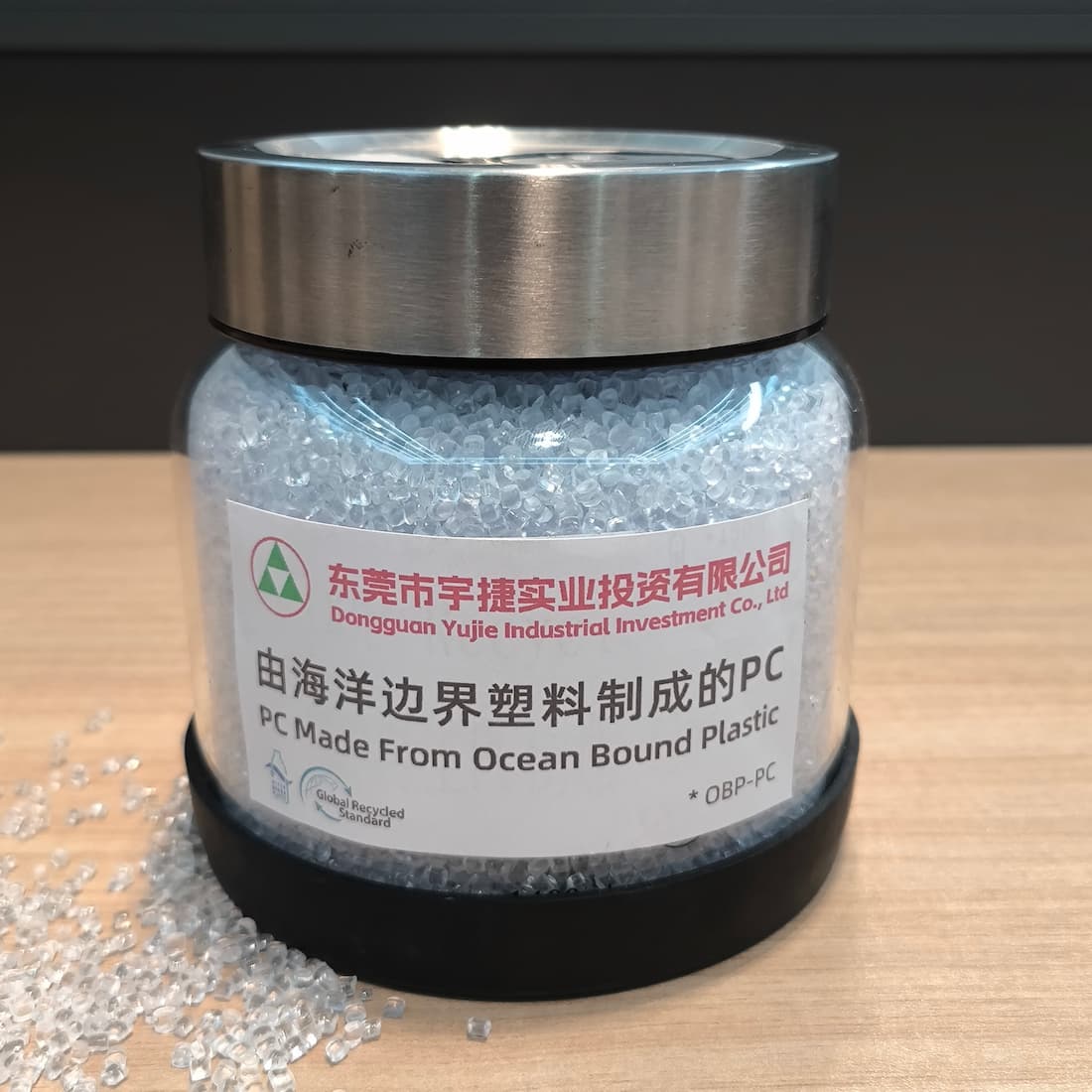
High-performance recycled PET sourced from post-consumer bottles, packaging waste, Ocean-Bound Plastics (OBP), and bio-based resins. Advanced viscosity enhancement eliminates degradation and brittleness, providing virgin-grade stability for injection molding, extrusion, blow molding, and fiber spinning.
Intrinsic Viscosity (IV): ≥ 0.72 dL/g (Tensile strength ≥ 50 MPa; 2-3x impact strength vs. standard rPET)
Decarbonization: ~70%+ CO₂ reduction per ton; ideal for Amazon, Walmart & IKEA sustainable sourcing
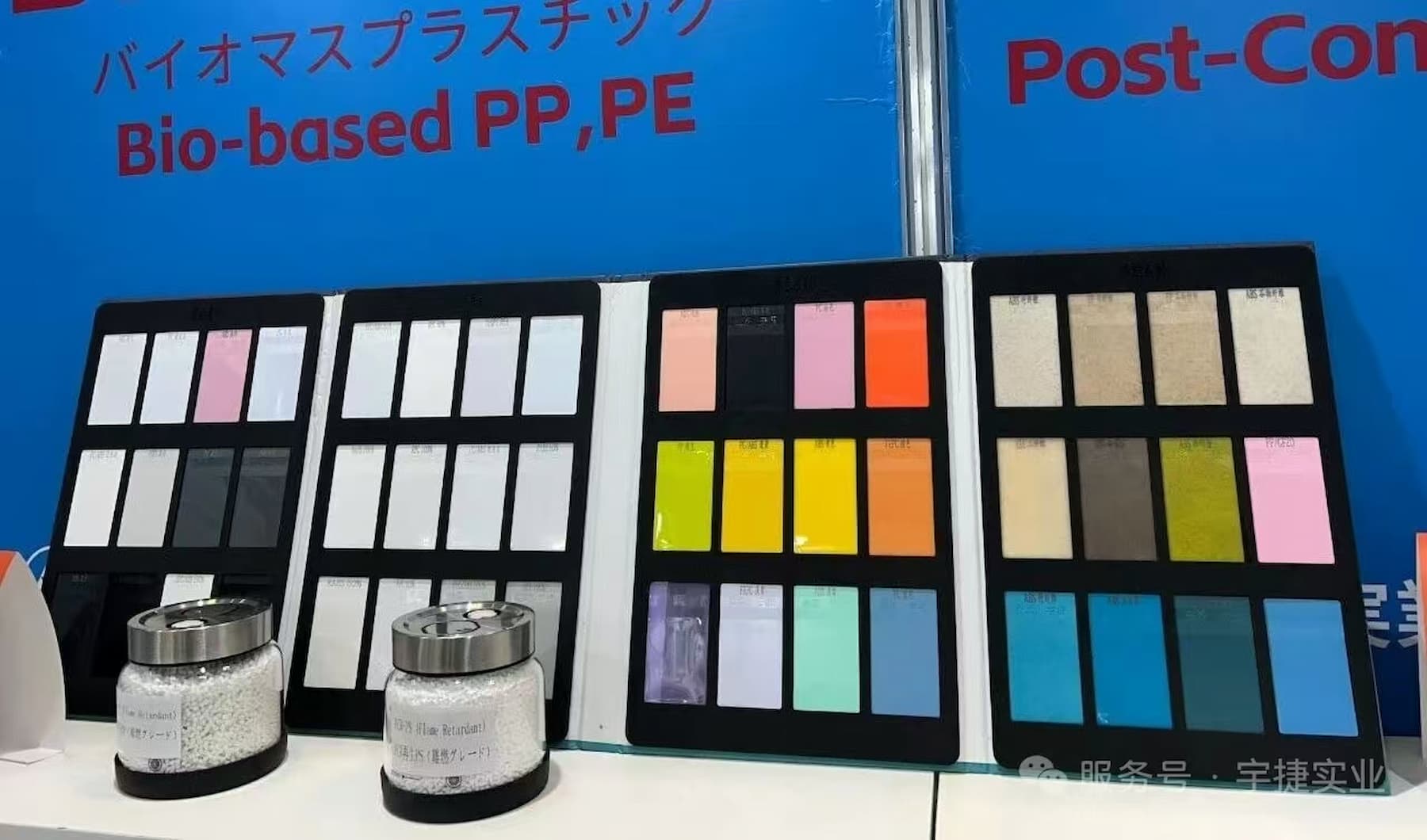
Customization: Glass fiber reinforcement, toughening, flame retardant (UL94 V-0), weather resistance
Applications: Packaging, textiles/footwear, appliance housings, automotive interiors, 3C components
Certifications: GRS, OBP, UL2809, IATF 16949, RoHS, REACH, ISO (TC available)
Item No :
RPET natureOrder(MOQ) :
25KGPayment :
DiscussProduct Origin :
ChinaColor :
NatureShipping Port :
Guangdong Product categories
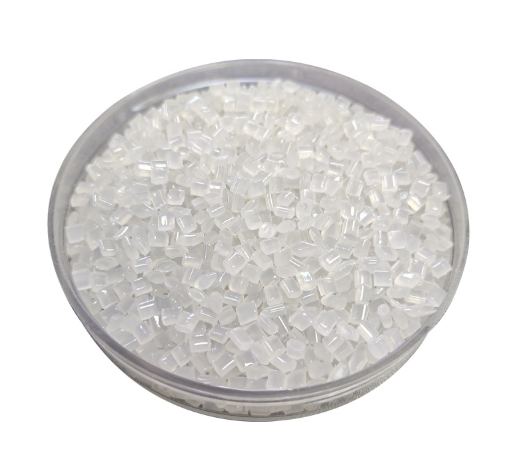
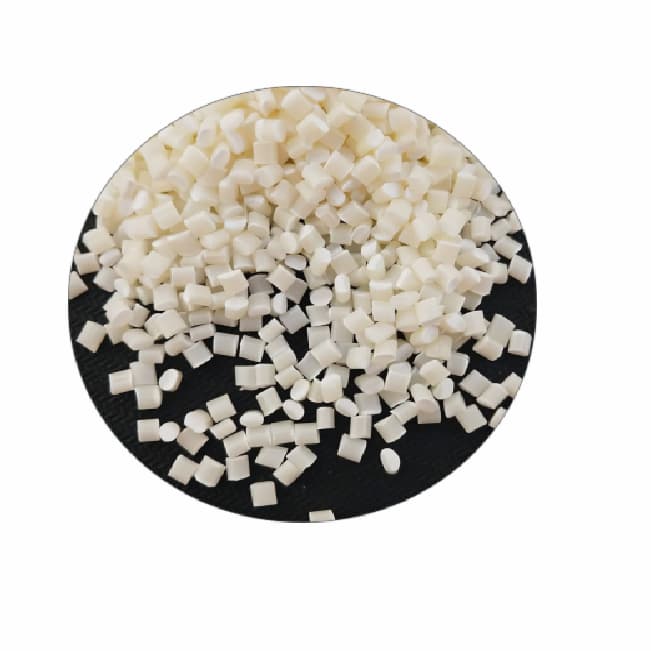
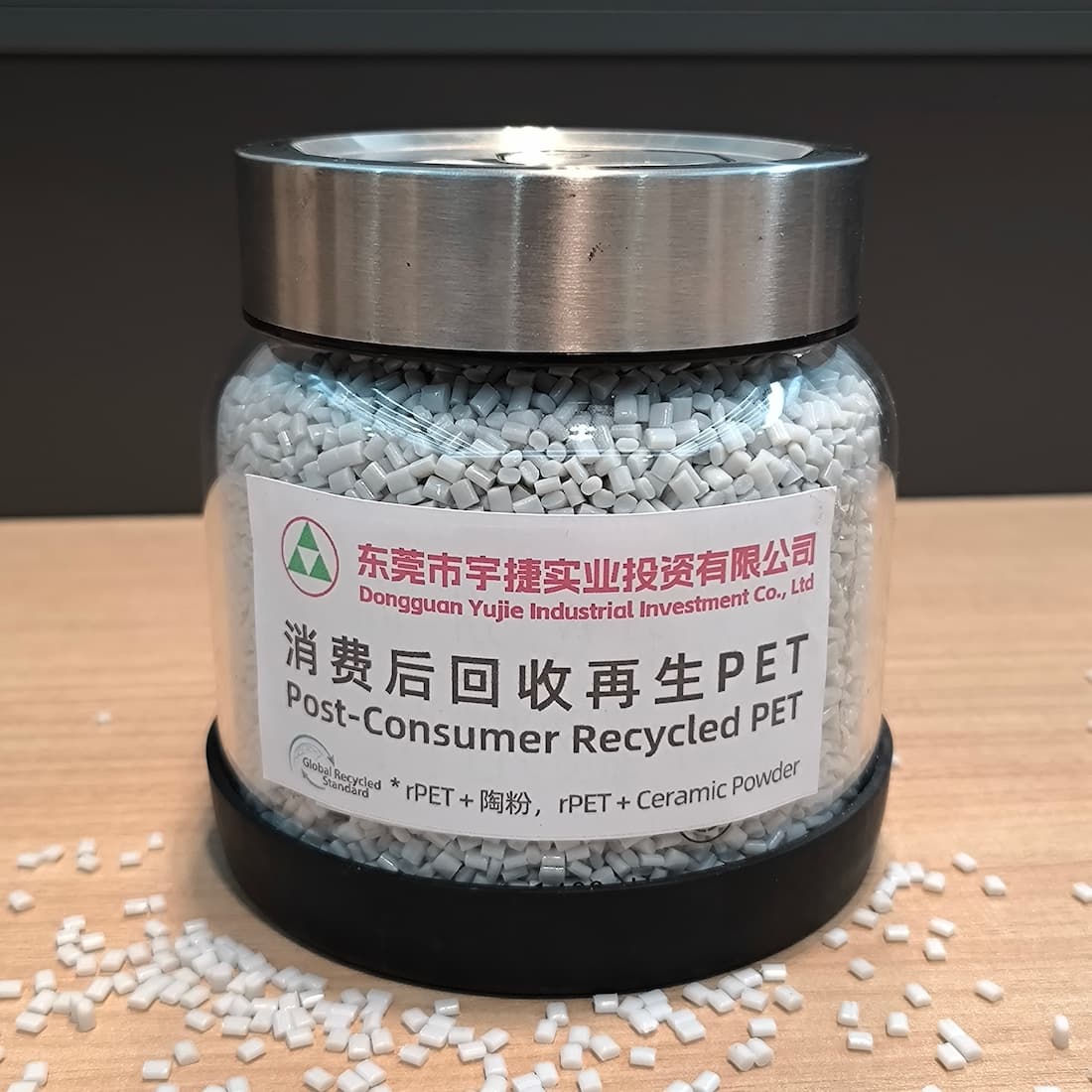
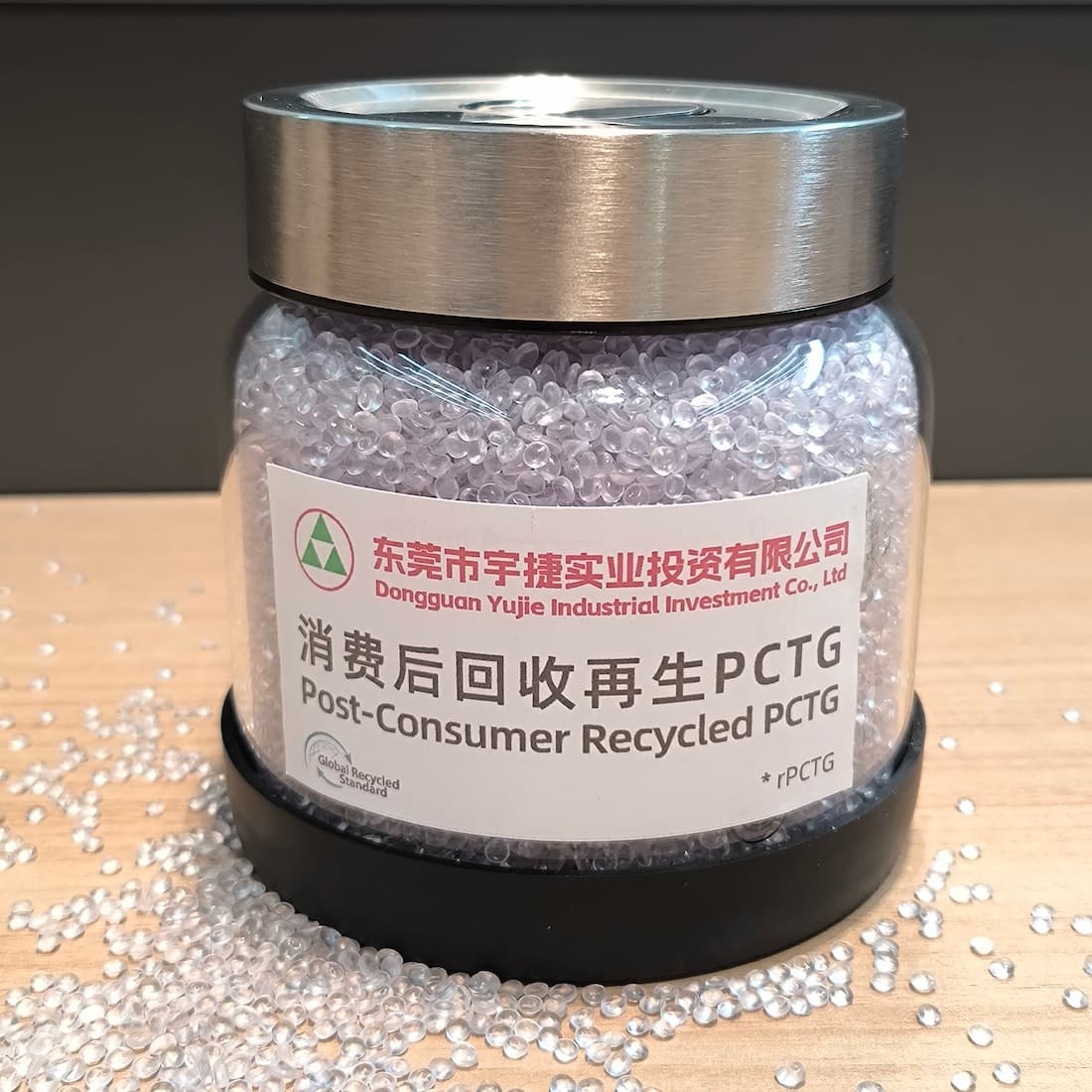
Yujie Industrial RPET pellets are premium eco-friendly plastic granules primarily processed from post-consumer recycled (PCR) PET bottle flakes, food packaging, and textiles. Our product portfolio also includes Ocean-Bound Plastic (OBP) recycled PET and bio-based PET options. Engineered through advanced physical and chemical thickening technologies, our modified rPET granules deliver high intrinsic viscosity and exceptional impact strength, serving as a reliable low-carbon alternative to virgin PET resin.
Looking for High-IV Modified RPET Solutions or Free Samples?
We provide custom compounding including glass fiber reinforcement, toughening, flame retardancy, and weather resistance to fit your processing line. Contact our technical team for detailed datasheets (TDS) and tailored quotes.
Recycled PET bottle materials naturally experience thermal-oxidative degradation during processing. To ensure batch-to-batch stability and prevent yellowing, brittleness, and foaming, Yujie utilizes double-thickening technology (physical blending with high-viscosity PET and chemical chain-extension in the molten state) to upgrade molecular weight and intrinsic viscosity:
Our custom modified RPET granules are optimized for Injection Molding, Extrusion, Blow Molding, and Fiber Spinning across multiple downstream sectors:
*The mechanical and processing parameters listed below represent typical values for our general-purpose reinforced RPET grade. Customized property adjustments are available upon request.
| Property | Test Method | Test Condition | Units | Standard Value |
|---|---|---|---|---|
| Specific Gravity | ASTM D792 | - | g/cm³ | 1.61 |
| Melt Flow Index (MFI) | ASTM D1238 | 230°C / 2.16 kg | g/10 min | 25 |
| Tensile Strength | ASTM D638 | 50 mm/min | MPa | 110 |
| Elongation at Break | ASTM D638 | 50 mm/min | % | 3 |
| Flexural Strength | ASTM D790 | 50 mm/min | MPa | 160 |
| Flexural Modulus | ASTM D790 | 50 mm/min | MPa | 5,800 |
| Izod Impact Strength (Notched) | ASTM D256 | 1/8" | kgf·cm/cm | 55 |
| Heat Deflection Temp (HDT) | ASTM D648 | 0.45 MPa | °C | 220 |
| Flammability Rating | UL 94 | 2.0 mm | Class | V-0 |
| Drying Temperature & Time | - | - | °C / Hrs | 120 - 130 °C / 4 Hours |
| Recommended Processing Temp | - | Melt / Mold | °C | Melt: 240 - 260 °C | Mold: 60 - 80 °C |
High-purity recycled PET granules produced under strict international quality and environmental management systems.
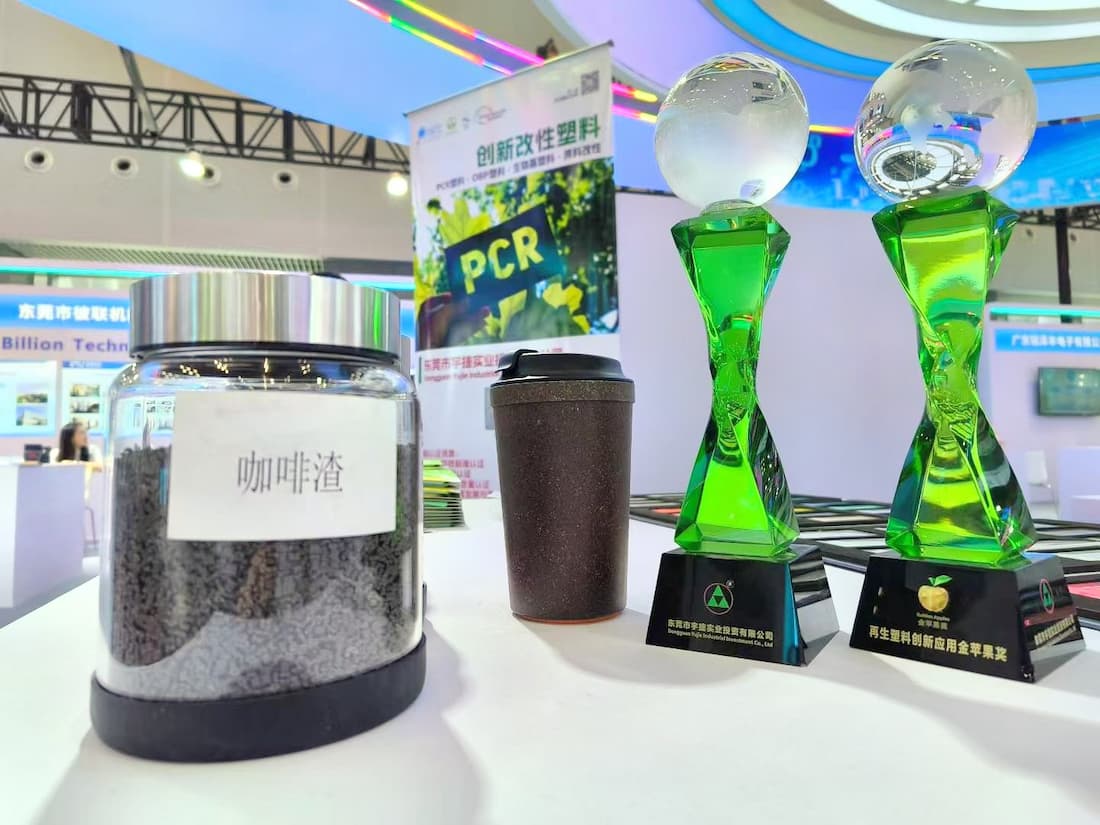
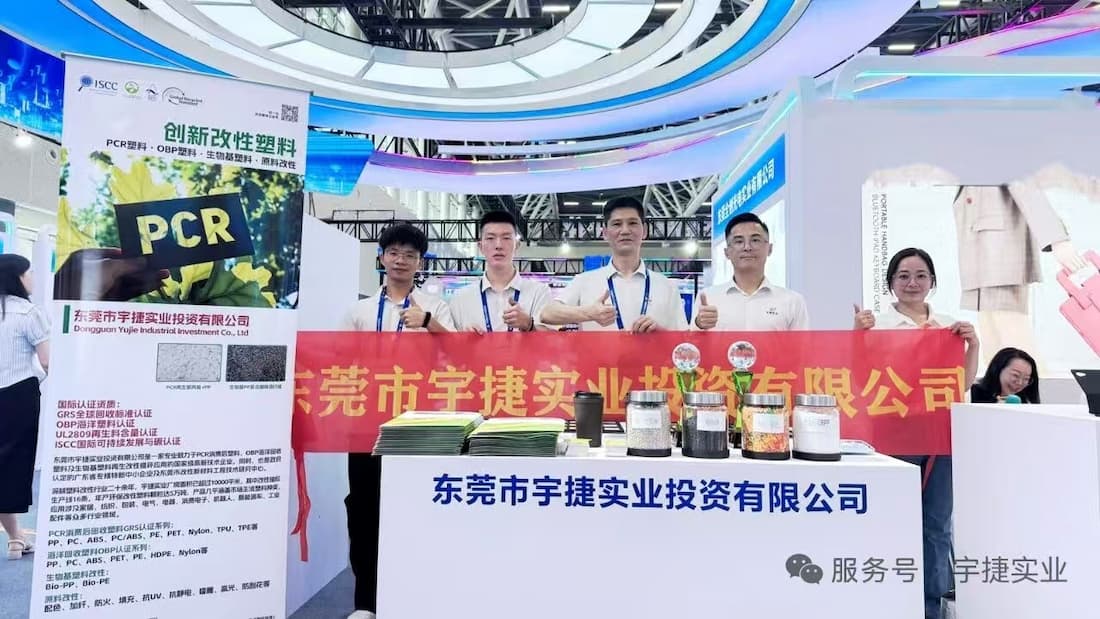
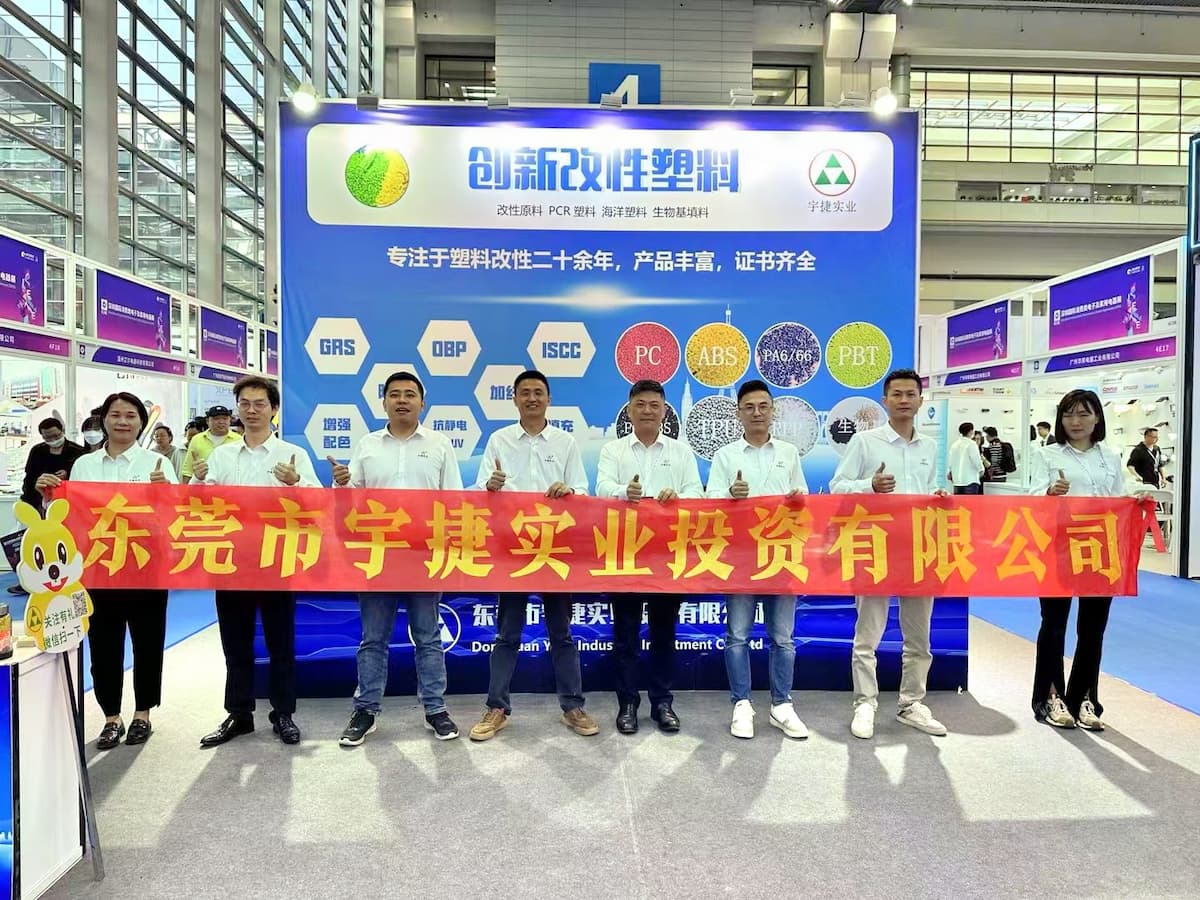
Yujie Industrial provides certified OEM/ODM plastic modification and sustainable material solutions for global markets.
Contact Our Engineering Team
 IPv6 Network Supported
leave a message
Scan to Wechat/Whatsapp :