William Chen
+86 18250853801
leave a message
If you are interested in our products and want to know more details,please leave a message here,we will reply you as soon as we can.


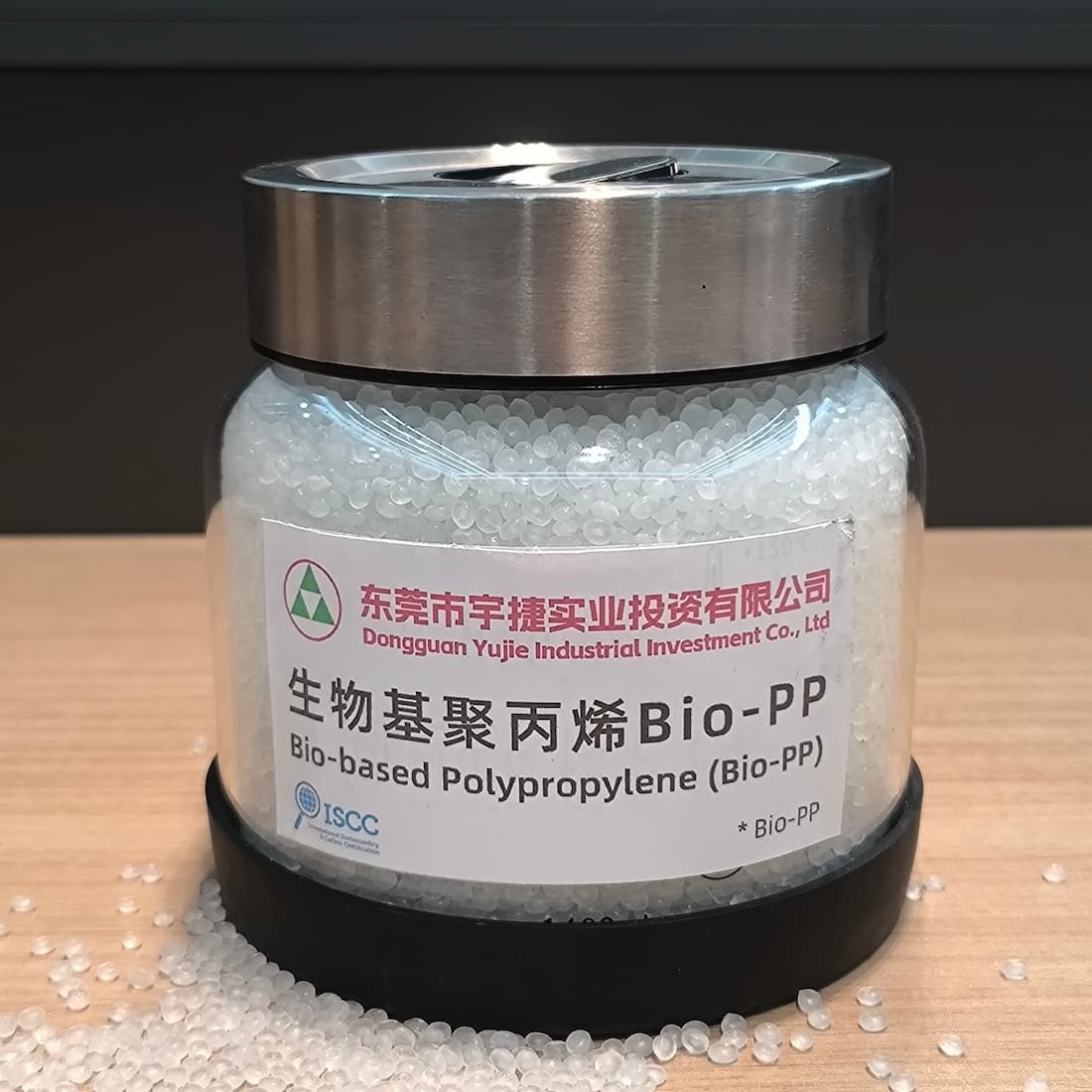
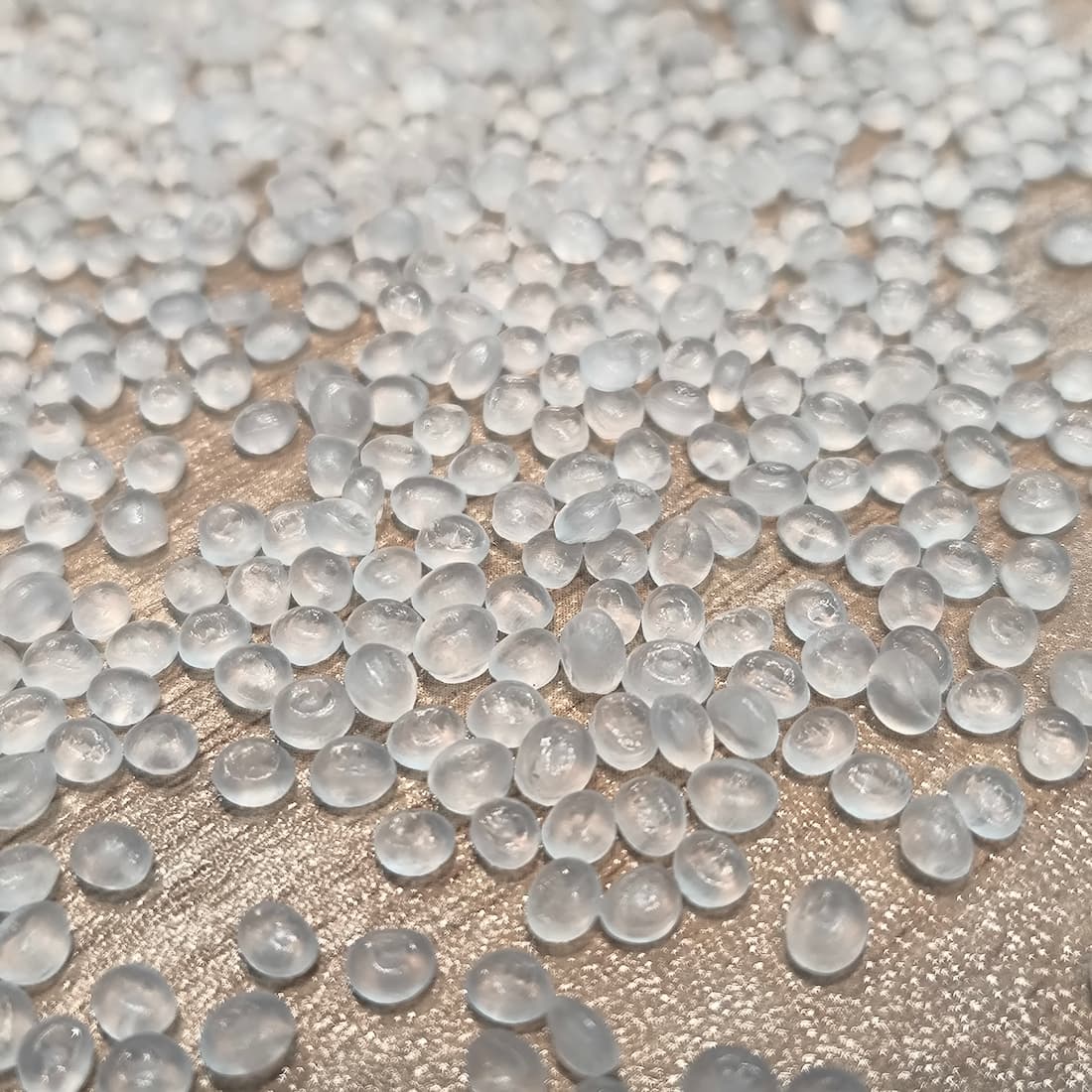
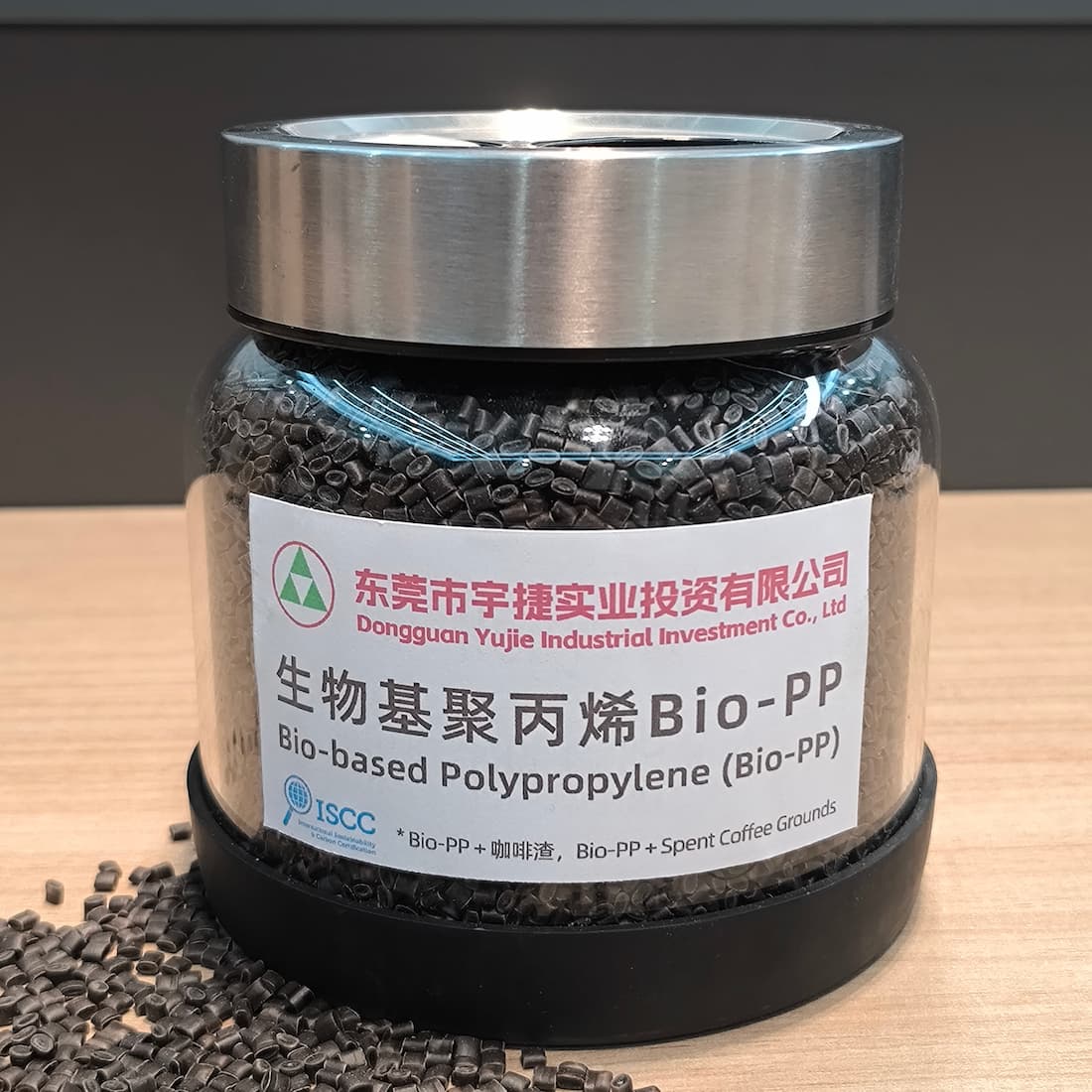
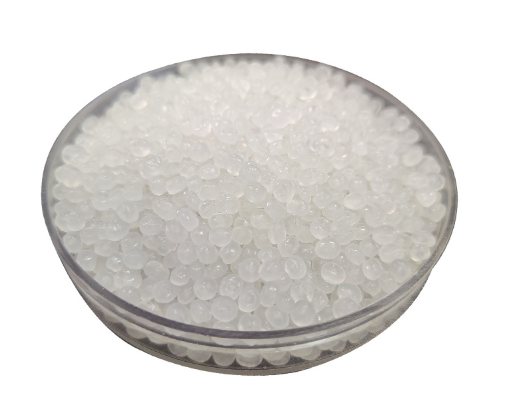
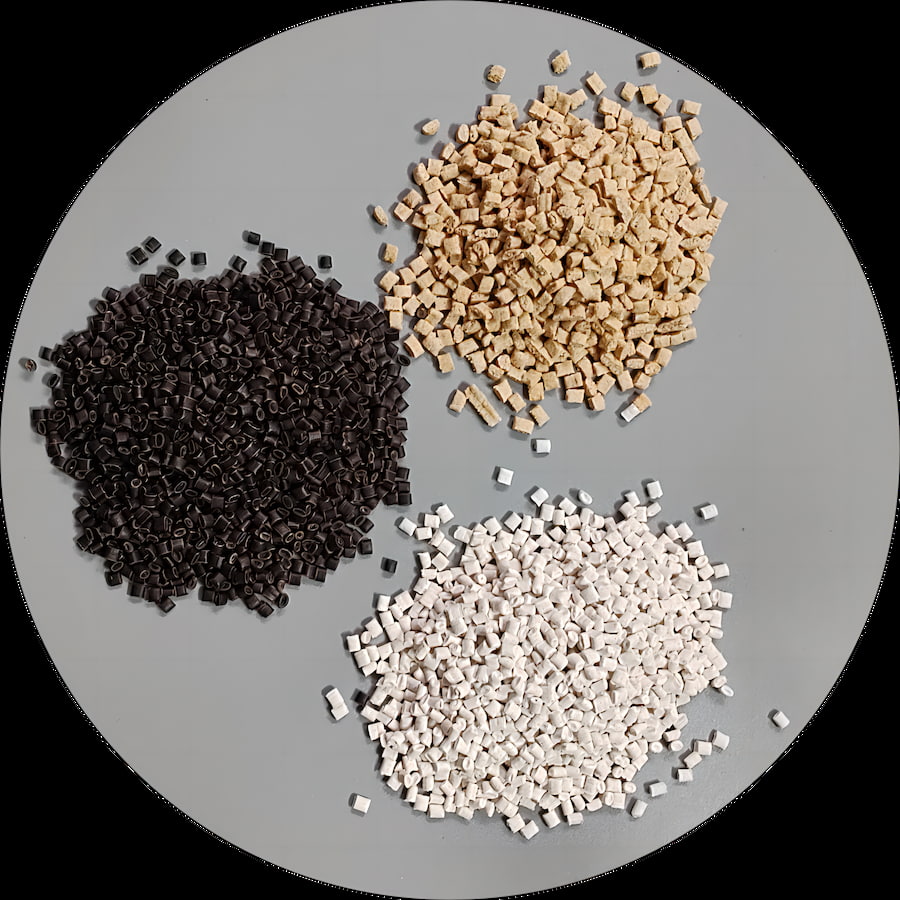
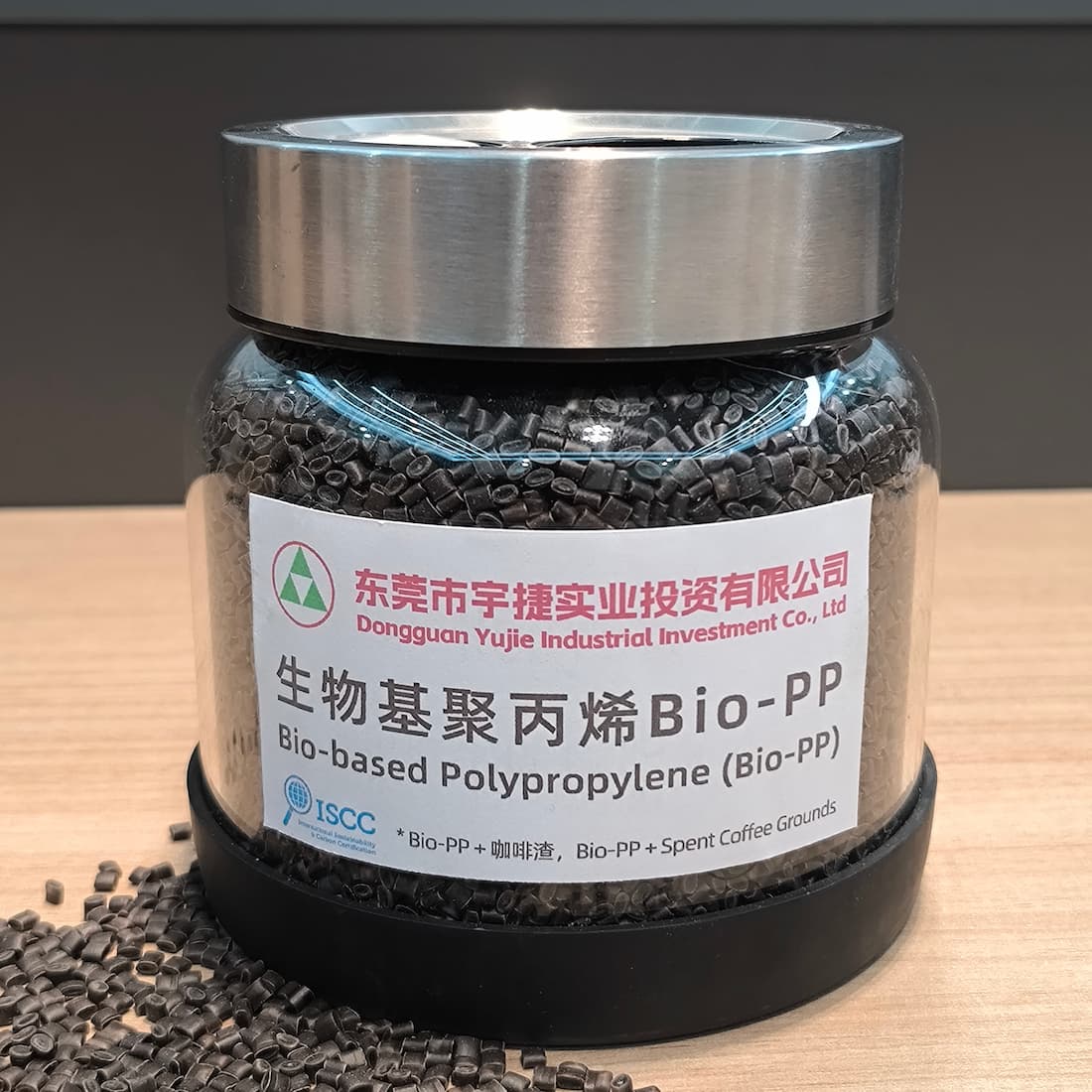
Bio-based PP stands for Bio-based Polypropylene.
It is a type of polypropylene produced through biotechnology or chemical conversion using renewable biomass resources (such as vegetable oils, starches, and sugars) as raw materials, replacing traditional fossil fuels (such as petroleum and natural gas).
Core Concept:
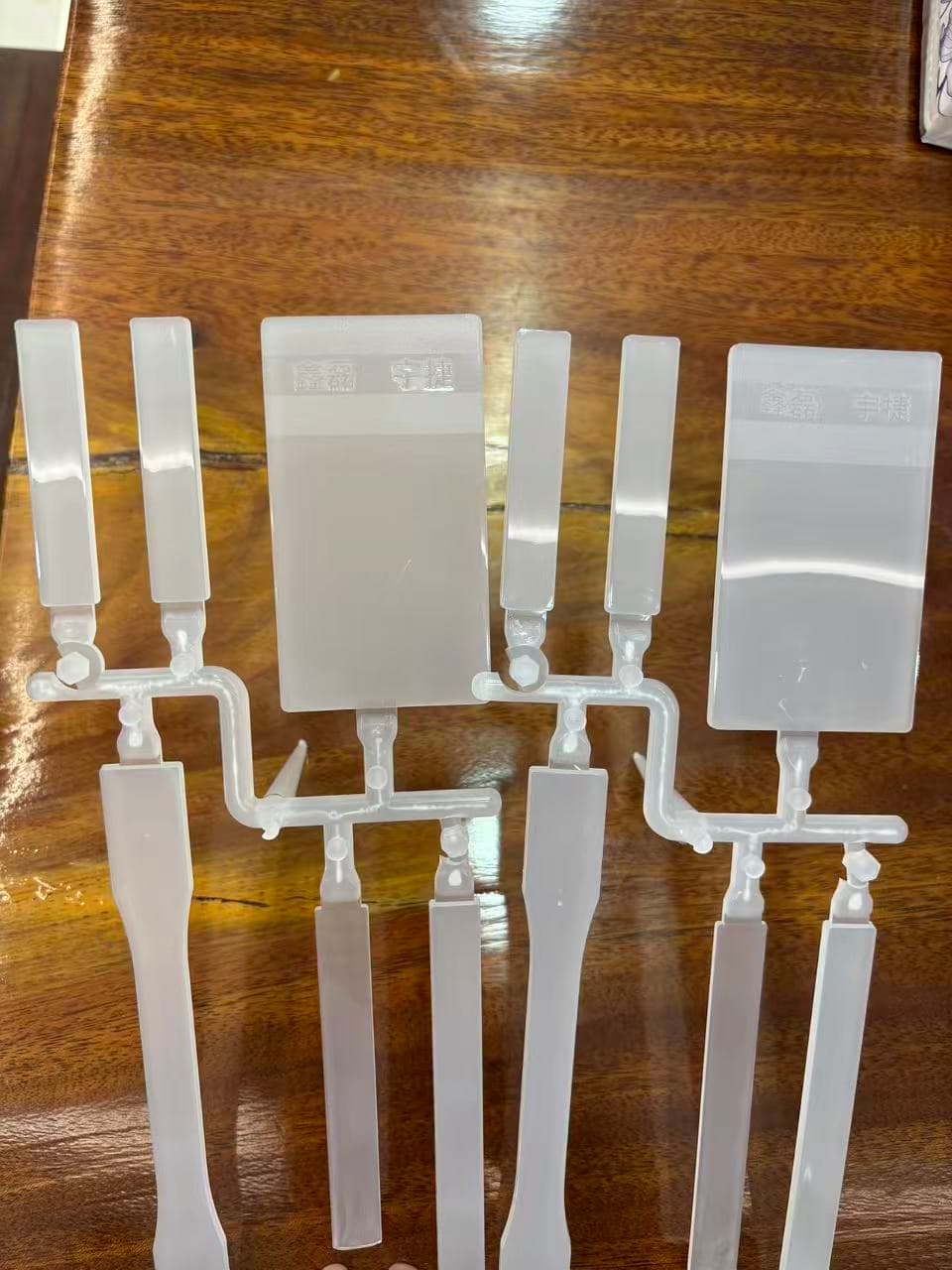
Its chemical structure is exactly the same as petroleum-based PP. This means it has almost the same physical, mechanical, and processing properties as traditional PP. The main difference lies in the source of the raw materials, not the final molecule.
Application Areas
Bio-based PP can be applied to all areas where traditional PP is suitable, especially in industries that prioritize environmental protection and sustainability:
* Automotive Industry: Interior parts (door panels, dashboards), bumpers, battery casings, etc.
* Packaging Industry: Food packaging, cosmetic containers, bottle caps, transparent films, etc.
* Consumer Goods: Appliance casings, household goods, toys, disposable tableware (a more environmentally friendly option).
* Textile Fibers: Non-woven fabrics, medical protective clothing, carpets, etc.
Item No :
Bio-based PP modificationOrder(MOQ) :
25KGPayment :
DisscussProduct Origin :
ChinaColor :
NatureShipping Port :
GuangdongLead Time :
3-10 working days Product categories
How is bio-based PP manufactured?
The manufacture of bio-based PP typically involves two key steps:
1. From Biomass to Bio-based Monomers
* Raw Materials: Primarily using plants rich in sugars or starches such as sugarcane, corn, and wheat, or non-grain crops such as straw, sawdust, and waste oils.
* Conversion Process:
* Fermentation: Sugars are fermented using microorganisms (such as bacteria and yeast) to produce bio-based propylene or bio-based isopropanol, which is then further dehydrated to produce bio-based propylene.
* Catalytic Conversion: Vegetable oils or waste oils are processed through chemical processes such as hydrogenation and pyrolysis to generate bio-based propylene.
2. From Bio-based Monomers to Bio-based PP
* The bio-based propylene monomers obtained in the previous step are polymerized using the same processes as traditional petroleum-based PP (mainly Ziegler-Natta or metallocene catalytic polymerization) to produce bio-based PP particles.
--- Key Advantages of Bio-based PP
1. Reduced Dependence on Fossil Resources
· Using renewable biomass resources contributes to energy security and resource sustainability.
2. Reduced Carbon Footprint, Supporting Dual Carbon Goals
· This is its core advantage. Plants absorb CO₂ from the atmosphere through photosynthesis during their growth. Therefore, from a life-cycle perspective, the carbon emissions of bio-based PP are far lower than those of petroleum-based PP. Some advanced bio-based PPs can even achieve negative carbon emissions.
3. Reduced Plasticity Without Sacrificing Performance
· Due to its identical chemical structure, it can seamlessly integrate with existing PP recycling systems for recycling. Products using bio-based PP can be recycled and reused along with traditional PP after disposal.
4. Performance and Versatility
· Possesses all the advantages of traditional PP: lightweight, chemical resistance, easy processing (injection molding, extrusion, etc.), and relatively low cost, allowing direct application to existing production lines.
--- Challenges and Controversies
1. Cost Issues
• Currently, the production cost of bio-based PP is significantly higher than that of petroleum-based PP, limiting its large-scale commercial application.
2. Raw Material Controversy: "Competing with Food Crops for Land"
• Using food crops (such as corn and sugarcane) as raw materials may raise concerns about food security and ethical controversies.
• Solution: The industry is actively developing second-generation (non-food) and third-generation (algae) bio-based raw materials, such as those using agricultural waste, forestry residues, and microalgae, to address this issue.
3. Land and Water Resource Utilization
• Large-scale cultivation of energy crops may require substantial land and water resources, potentially impacting the ecological environment.
4. Technological Maturity and Production Capacity
• Large-scale, high-efficiency bio-based propylene production technology is still under development and refinement, with limited global production capacity.
--- Major Producers and Market Status
* Neste (Finland):
A leading global producer of renewable diesel and sustainable aviation fuel, also supplying downstream chemical companies with bio-based feedstocks from waste oils and residual oils for the production of bio-based PP.
* LyondellBasell:
Partnering with Neste, it is one of the world's first chemical giants to commercially produce bio-based PP, selling its products under the "CirculenRenew" brand.
* Braskem (Brazil):
A leading global producer of bio-based polymers, it was among the first to mass-produce bio-based PE and is actively developing bio-based PP technology.
* Japanese companies such as Mitsubishi Chemical also have a presence in this field. The market is experiencing rapid growth. With the advancement of global carbon neutrality policies and the surge in demand for sustainable materials from brand owners (such as the automotive, packaging, and consumer goods industries), the prospects for bio-based PP are widely viewed favorably.
Summary
Bio-based PP represents an important direction for the plastics industry's transition to sustainable development. It perfectly inherits the excellent properties of traditional PP, while achieving the goals of carbon reduction and renewability from the source. Although it currently faces cost and technological challenges, with technological advancements, expanded production capacity, and the availability of non-grain raw materials, bio-based PP is expected to become one of the mainstream polymer materials in the future, making significant contributions to the circular economy and addressing climate change.
Best regards,
We can modified and customized for you .
Please feel free to contact us. Thank you !
William Chen Whatsapp/Wechat: +8613030895350 Email:13030895350@163.com

 IPv6 Network Supported
leave a message
Scan to Wechat/Whatsapp :