William Chen
+86 18250853801
leave a message
If you are interested in our products and want to know more details,please leave a message here,we will reply you as soon as we can.


PLA (Poly-Lactic-Acid) is a degradable plastic. PLA is a plant-based fully biodegradable plastic. Its raw materials are obtained from corn, cassava, and sugarcane through starch fermentation to produce lactic acid, and it is the most widely used degradable raw material in the packaging industry.
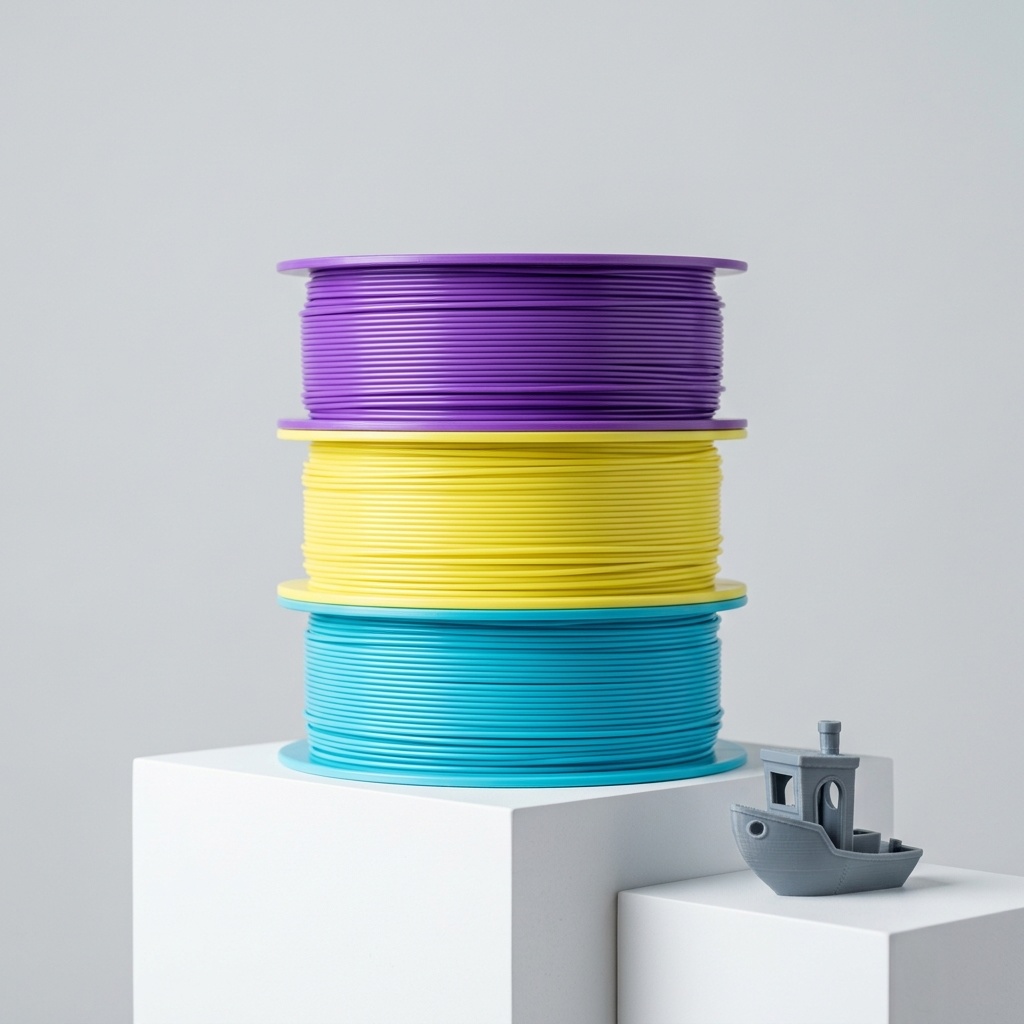
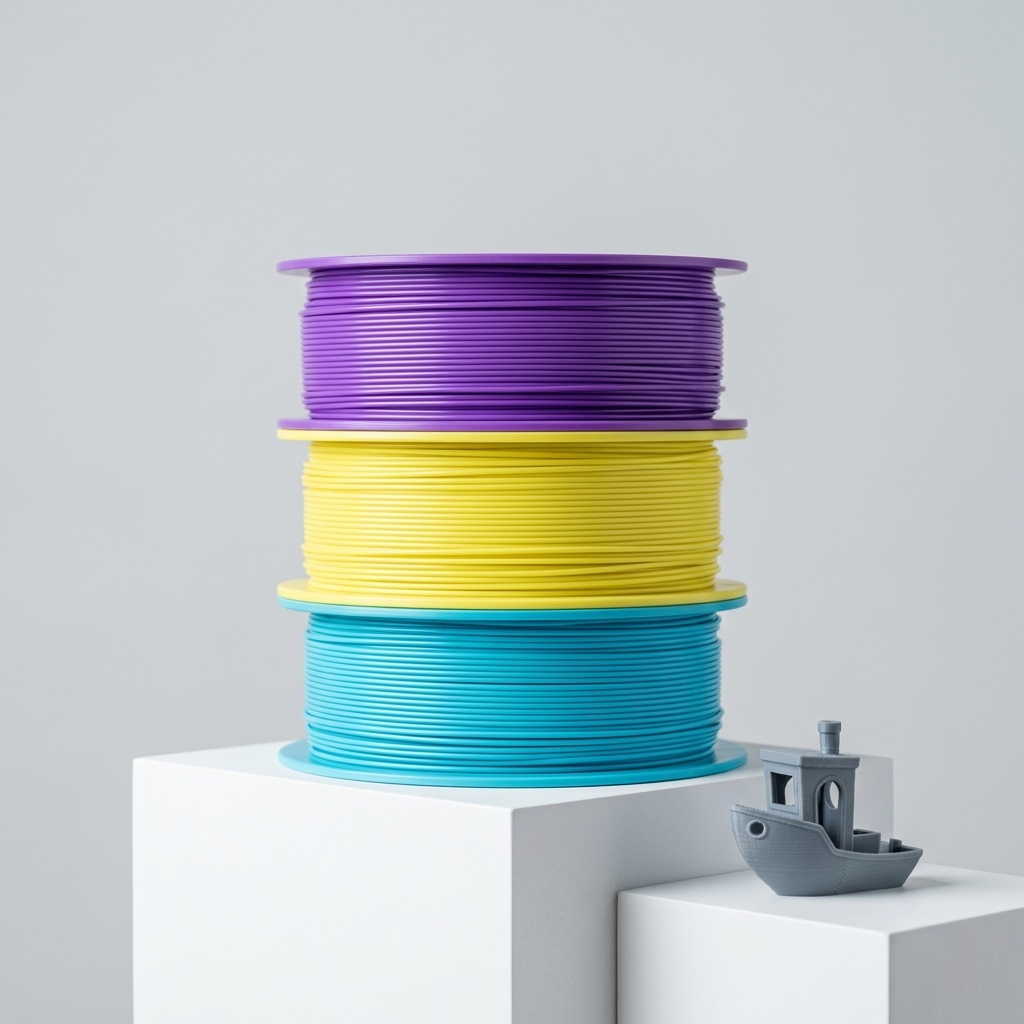
The PETG single-color series of 3D printing filaments are high-performance consumables commonly used in the FDM (Fused Deposition Modeling) process.
By integrating the easy-printing characteristics of PLA and the excellent toughness of ABS, these filaments possess good light transmittance, impact resistance, and weather resistance.

Item No :
3D pritingOrder(MOQ) :
25KGPayment :
DISSCUSSProduct Origin :
ChinaColor :
customizedShipping Port :
ShenzhenLead Time :
3-7 working days Product categories
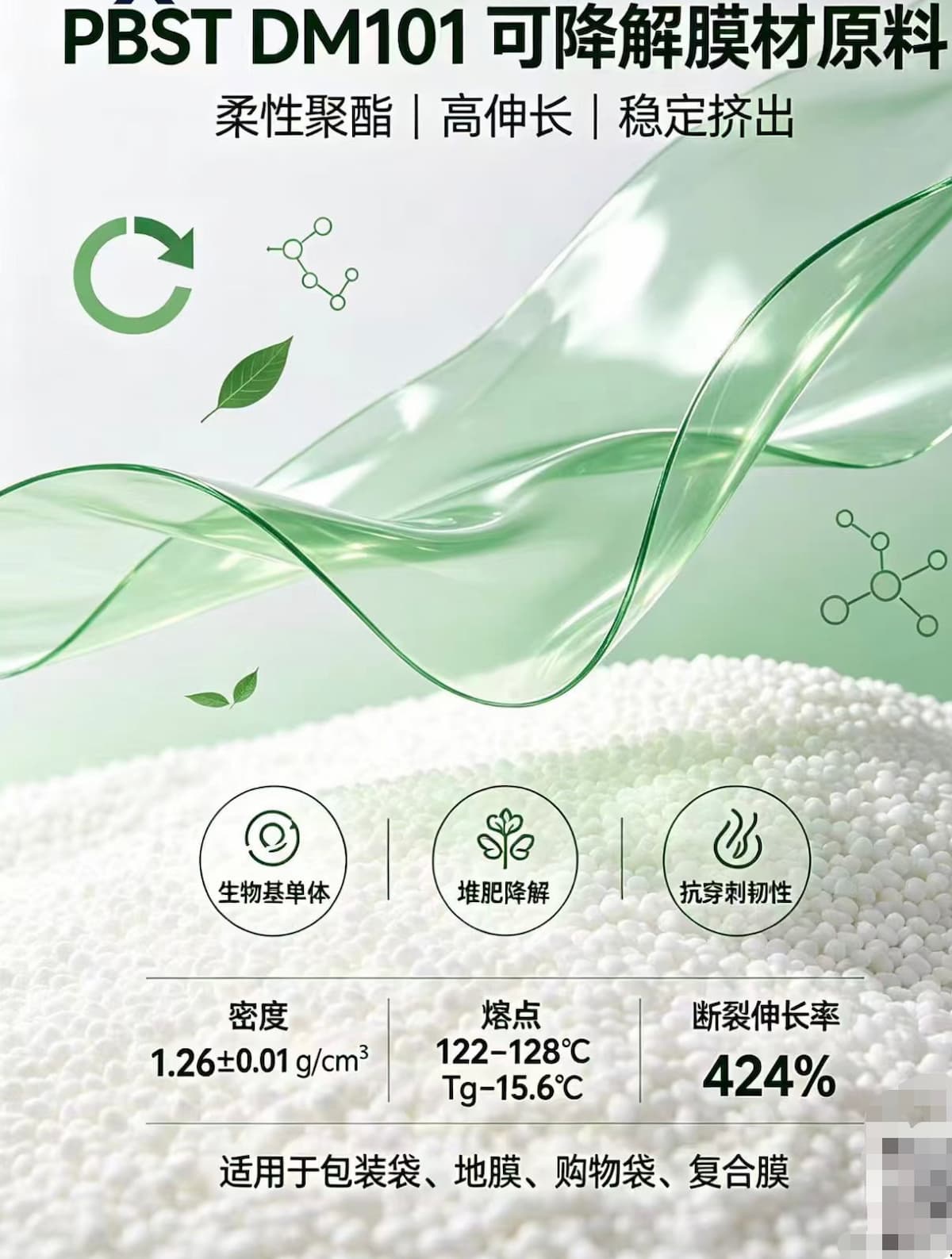
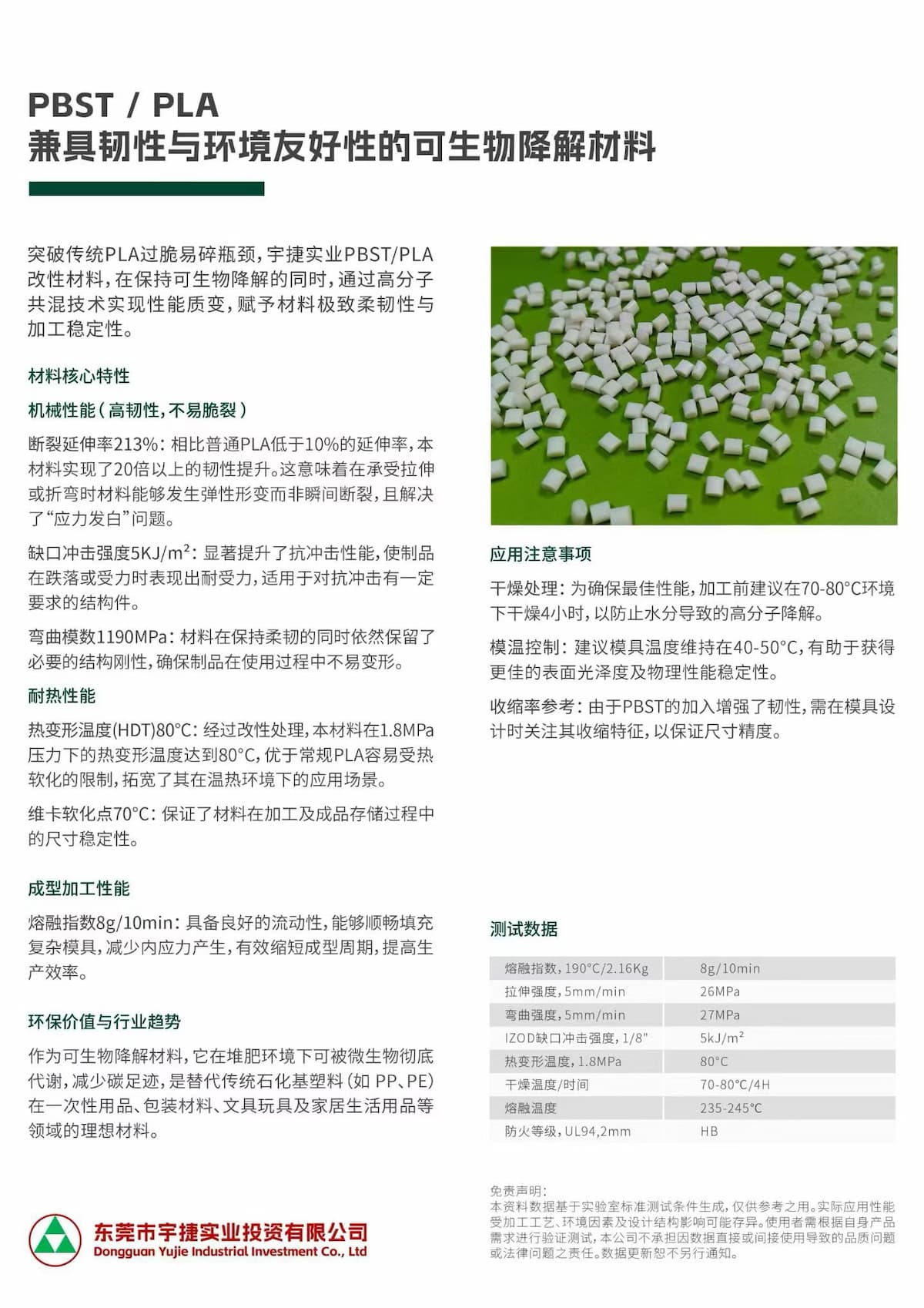
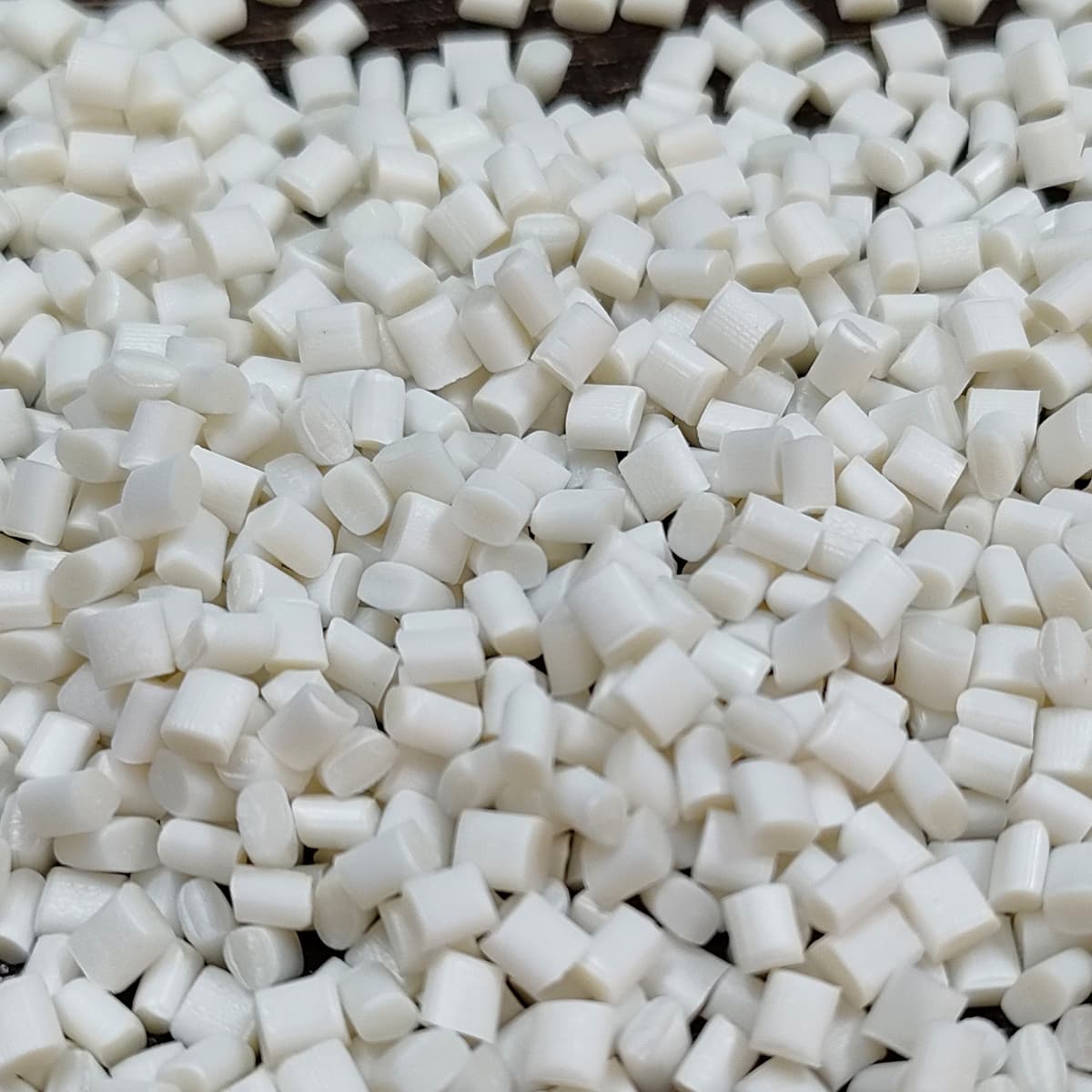
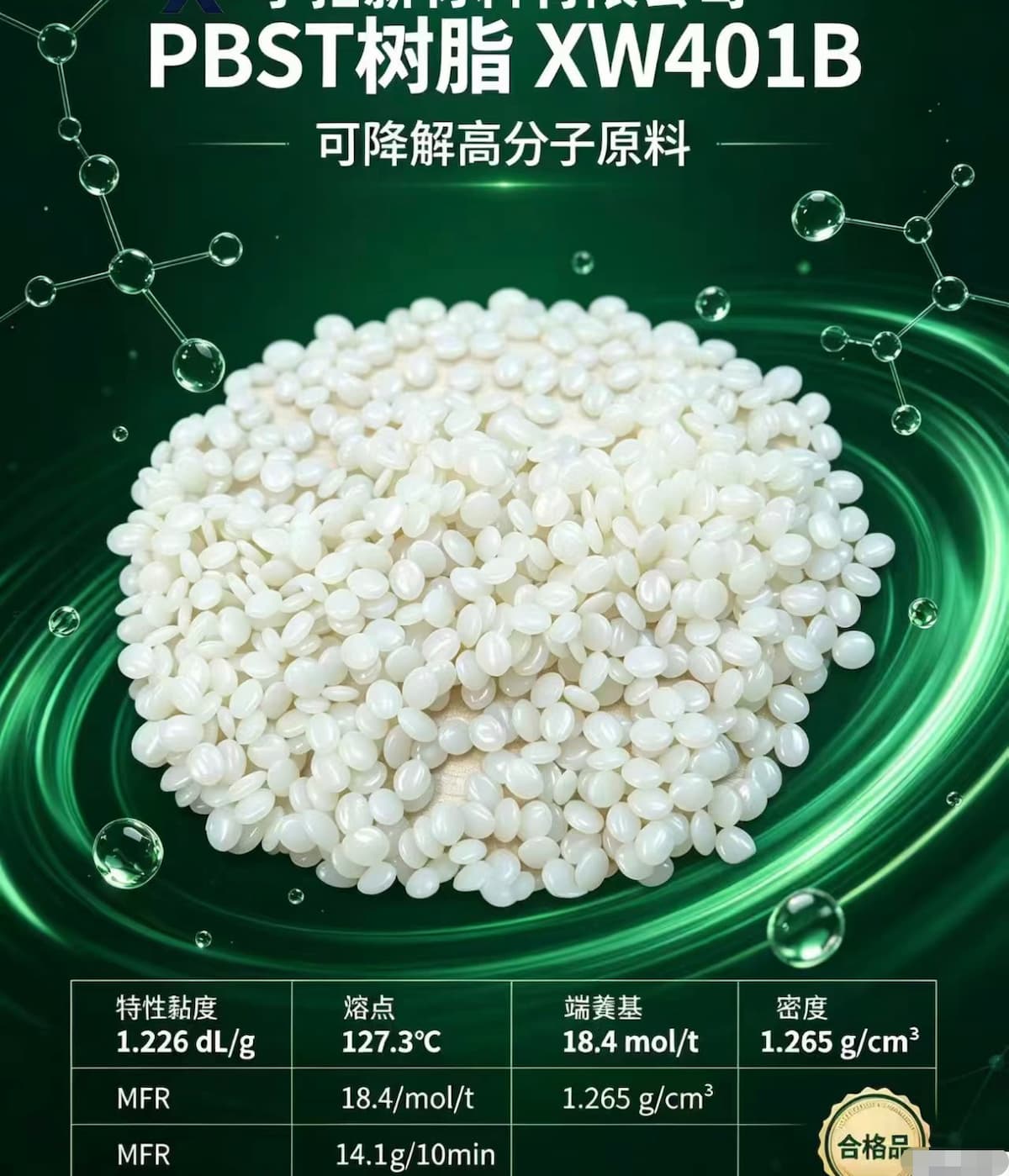
Yujie Industrial PBST/PLA modified materials maintain their biodegradability while achieving a qualitative performance enhancement through advanced polymer blending technology, endowing the materials with exceptional flexibility and processing stability.
Biodegradable materials that combine toughness with environmental friendliness.
Overcoming the traditional limitations of PLA – namely its excessive brittleness and fragility.
Material Core Characteristics :
Mechanical properties (high toughness, resistance to brittle fracture).
213% elongation: Compared to conventional PLA, which exhibits an elongation rate of less than 10%, this material achieves a toughness improvement of more than 20-fold.
This means that when subjected to tensile or bending loads, the material undergoes elastic deformation rather than instant fracture, and it effectively resolves the "stress whitening" phenomenon.
Application Precautions Impact strength at 5 kJ/m²: Significantly enhances impact resistance, enabling the product to withstand impacts during drop tests or under mechanical loading; ideal for structural components requiring high impact resistance.
Drying treatment: To ensure optimal performance, it is recommended to dry the material at 70–80°C for 4 hours prior to processing, to prevent polymer degradation caused by moisture.
Bending modulus of 1190 MPa: The material retains the necessary structural rigidity while maintaining flexibility, ensuring that the product is resistant to deformation during use.
Mold temperature control: It is recommended to maintain the mold temperature between 40–50°C, as this helps achieve better surface gloss and improved physical property stability.
Heat resistance Shrinkage reference: Since the addition of PBST enhances toughness, its shrinkage behavior should be taken into account during mold design to ensure dimensional accuracy.
Hot deformation temperature (HDT) at 80°C: After modification, this material achieves a hot deformation temperature of 80°C under a pressure of 1.8 MPa, overcoming the limitation of conventional PLA, which tends to soften when exposed to heat, thereby expanding its application scenarios in warm environments.
Vika softening point: 70°C – ensures dimensional stability of the material during processing and finished product storage.
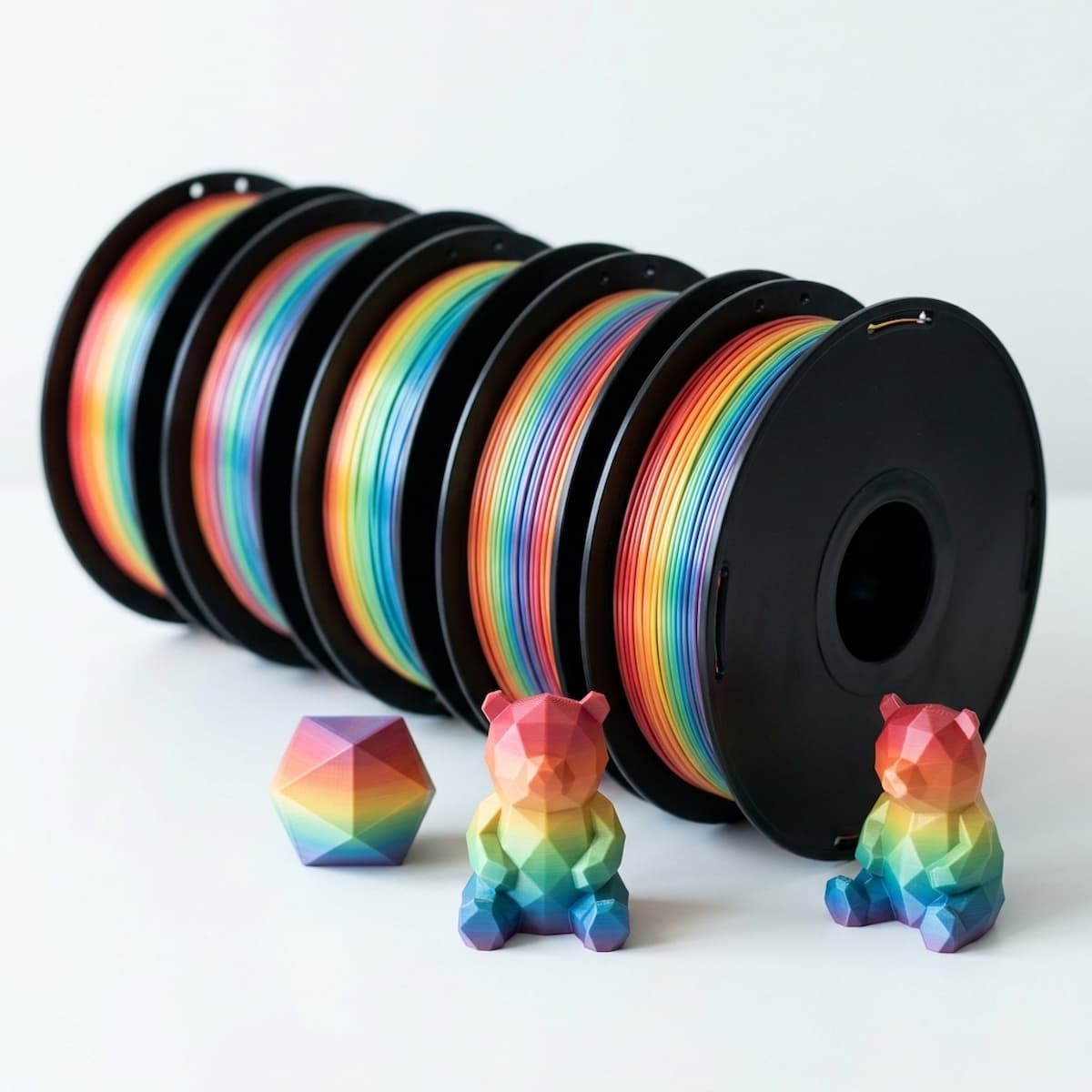
They feature a low printing threshold and high reliability of printed products, and are widely used in fields such as model creation, structural functional parts, casings, cultural and creative ornaments, and light-transmitting decorative parts.
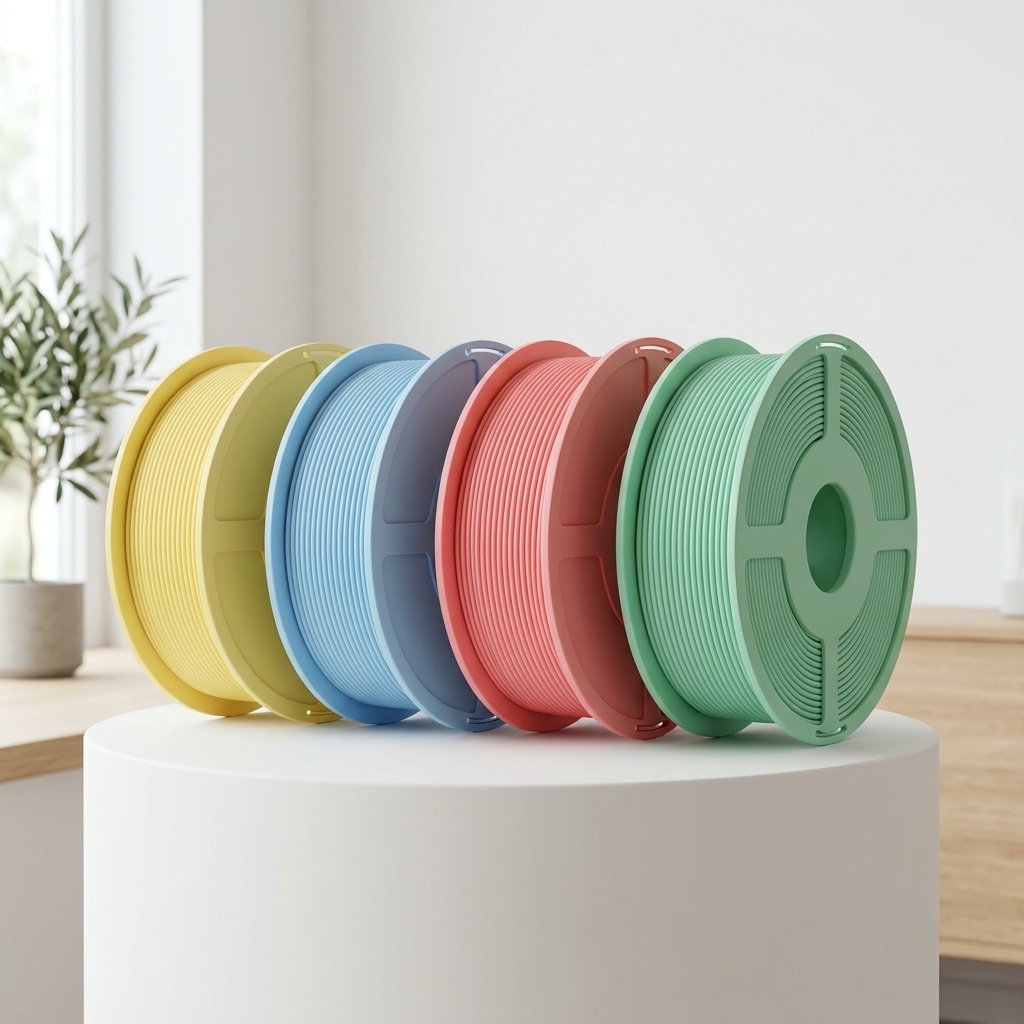
This series consists of basic solid-color models with a rich color palette and pure and uniform color tones, meeting the requirements of most single-color printing tasks.
It is compatible with mainstream desktop and industrial FDM 3D printers on the market, including models from brands such as Tool-chuck, Creativity, and Any-cubic.
If you are interesting. Please contact with us.
Best regards.
William Chen. Email: 13030895350@163.com

 IPv6 Network Supported
leave a message
Scan to Wechat/Whatsapp :