
William Chen
+86 18250853801
leave a message
If you are interested in our products and want to know more details,please leave a message here,we will reply you as soon as we can.



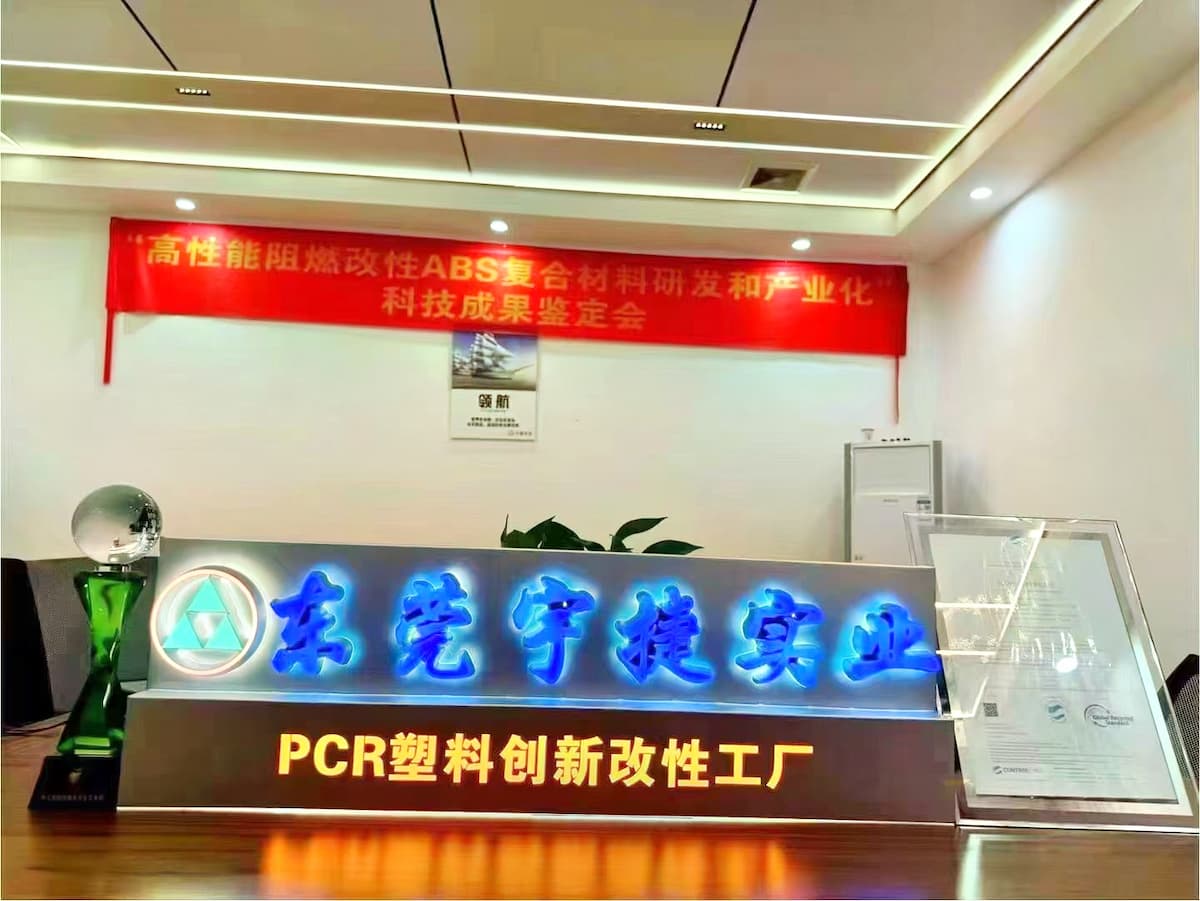
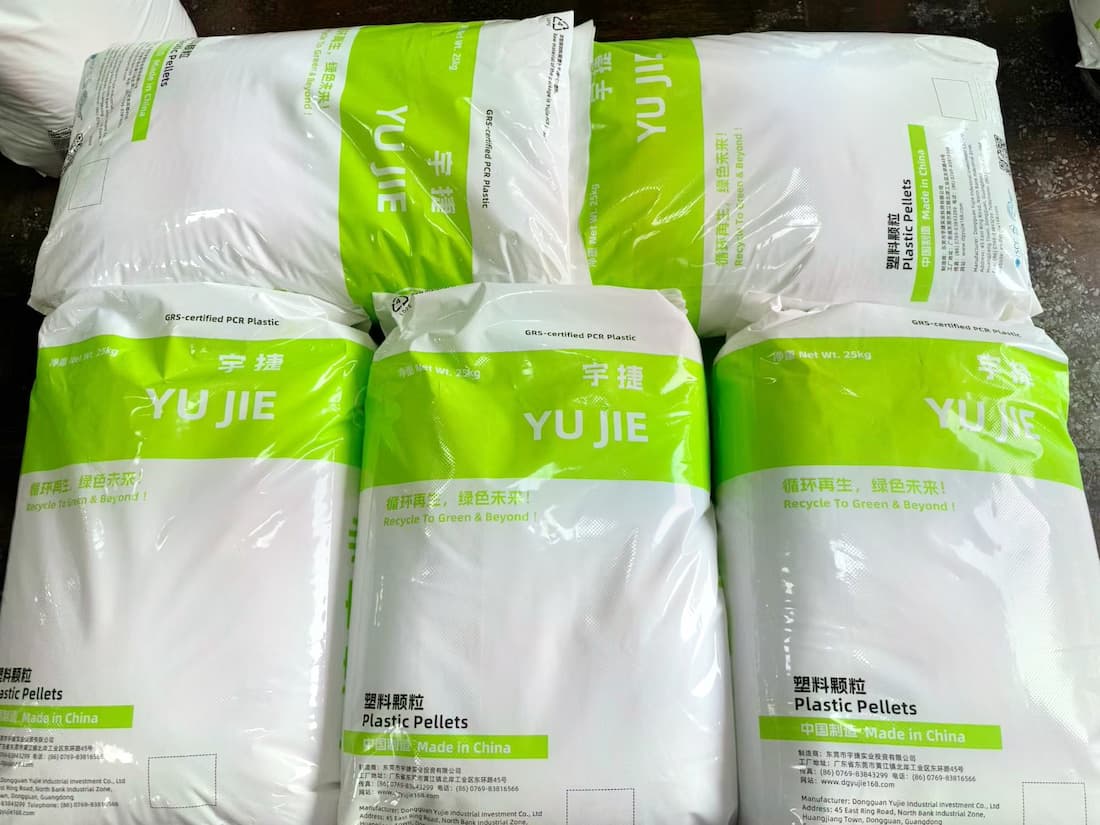
Yujie industrial is a High-quality PCR customized material manufacturer .
Yujie PCR has passed GRS、OBP、UL2809、ISCC、Carbon Footprint Certifications,
open TC certification and PCR plastic production capacity is 50000 tons of environmentally materials responding to the national carbon policy and helping low-carbon action.
2026-2033 PET Recycling Market Growth Outlook
With the deepening global consensus on the circular economy, the PET (polyethylene terephthalate) bottle recycling industry is shifting from simple waste disposal to high-value resource regeneration. The latest industry forecasts show that the global PET bottle recycling market will steadily expand at a compound annual growth rate (CAGR) of 4.5% between 2026 and 2033. This growth not only reflects the awakening of environmental awareness but is also an inevitable result of technological breakthroughs and regulatory standards forcing industrial upgrading.

1. Market Size and Macro Trends: Steady Growth and Value Reshaping
By 2024, the global PET bottle recycling market size reached US$5.8 billion. With the implementation of a new round of environmental regulations after 2026, the market value will achieve a qualitative leap in 2032.
• Cost Efficiency and Resource Optimization: The industry focus has shifted from "collecting waste" to "reducing recycling process costs" and "improving output purity."
• Post-consumer recycled materials (rPET) premium: Although virgin PET prices are affected by crude oil fluctuations, high-quality food-grade rPET is gradually forming an independent pricing system driven by strong sustainability goals from brands.
2. Core Drivers: Policy Dividends and Brand Commitments
The upward trajectory of the PET recycling market is mainly supported by the following three factors:
• Mandatory Regulatory Requirements: The EU has clearly required that the recycled content in PET beverage bottles must reach 25% by 2025, and this proportion will increase to 30% by 2030. Extended Producer Responsibility (EPR) laws in California and other US states have also entered the substantive implementation stage.
• Green Goals of Brand Giants: Global FMCG giants such as Coca-Cola and PepsiCo have committed to using more than 50% recycled materials by 2030, providing a certain long-term order guarantee for the rPET market.
• Deposit Refund System (DRS): With more regions adopting deposit systems, the "purity and collection rate" of bottle recycling has significantly improved, solving the problem of insufficient raw material supply.
3. Technological Path: Mechanical Recycling Lays a Solid Foundation, Chemical/Enzymatic Recycling Breaks Bottlenecks
The PET recycling market is undergoing a transformation from single mechanical processing to diversified technologies operating in parallel. Recycling Type | Core Technology | Application Area | Advantages and Limitations
Mechanical Recycling | Physical crushing, washing, granulation | Bottle-to-bottle (B-to-B), fiber | Mature technology, low cost; however, physical properties deteriorate after multiple cycles.
Chemical/Enzymatic Recycling | Polymerization/degradation into monomers (DMT/PTA) | Multi-layer bottles, colored bottles, high-standard packaging | Can achieve "infinite recycling," processing contaminated raw materials; however, current equipment investment costs (CAPEX) are high.
Observer's Viewpoint: With the popularization of AI sorting technology, "intelligent optical sorting" can accurately identify bottle color and material, significantly reducing impurity content. This is crucial for improving the application of rPET in the food and pharmaceutical fields.
4. Application Areas: Food and Beverage Remain Core
• Food and Beverage: As the largest downstream application market, this sector has the most urgent demand for food-grade rPET, accounting for over 70% of the total market.
• Personal Care and Pharmaceuticals: These industries have extremely high requirements for packaging transparency and hygiene standards, becoming a new growth engine for rPET applications.
• Textiles and Consumer Goods: The widespread use of recycled polyester fiber (rPET fiber) in clothing and home textiles further broadens the channels for the disposal of PET recycled materials.
5. Global Landscape: Asia Pacific Leads, Europe and America Improve Quality
• Asia Pacific: China, India, and Southeast Asia are the world's largest PET consumer markets. The Asia Pacific market share is projected to account for over 50% of the global market by 2026. China has made rapid progress in the standardization of its waste plastic recycling system, becoming a strategic hub in the global rPET supply chain.
• North America and Europe: The market focuses more on high-value-added technological innovation and policy guidance. Growth in the US market largely depends on the harmonization of state-level regulations, while Europe is a pioneer in the establishment of chemical recycling plants.
6. Challenges and Future Outlook
Despite the bright prospects, the industry still faces challenges such as substitution competition from volatile crude oil prices, an uneven distribution of recycling infrastructure, and green barriers to cross-border trade.
Over the next five years, the industry will focus on the following trends:
• Closed-loop Systems: Deep integration between manufacturers and recyclers, forming a stable closed-loop supply.
• Carbon Footprint Tracking: Digital tools will record the emission reduction data for every kilogram of rPET throughout its entire lifecycle, from "waste bottle" to "new packaging."
Summary: Within the forecast window of 2026-2033, the PET bottle recycling industry will no longer be merely an adjunct to environmental protection, but a high-growth blue ocean driven by policy demands, brand internal drivers, and technological innovation. For industry participants, mastering advanced sorting and regeneration technologies will be key to winning the market in the next decade.

 IPv6 Network Supported
leave a message
Scan to Wechat/Whatsapp :